
6 Under-the-Radar Northern California Towns Where Redwoods Meet Dramatic Coastlines in 2026
Explore six overlooked Northern California destinations, from Carmel-by-the-Sea to Eureka, offering a strategic alternative to the record-breaking crowds at Yosemite and other major tourist hubs.
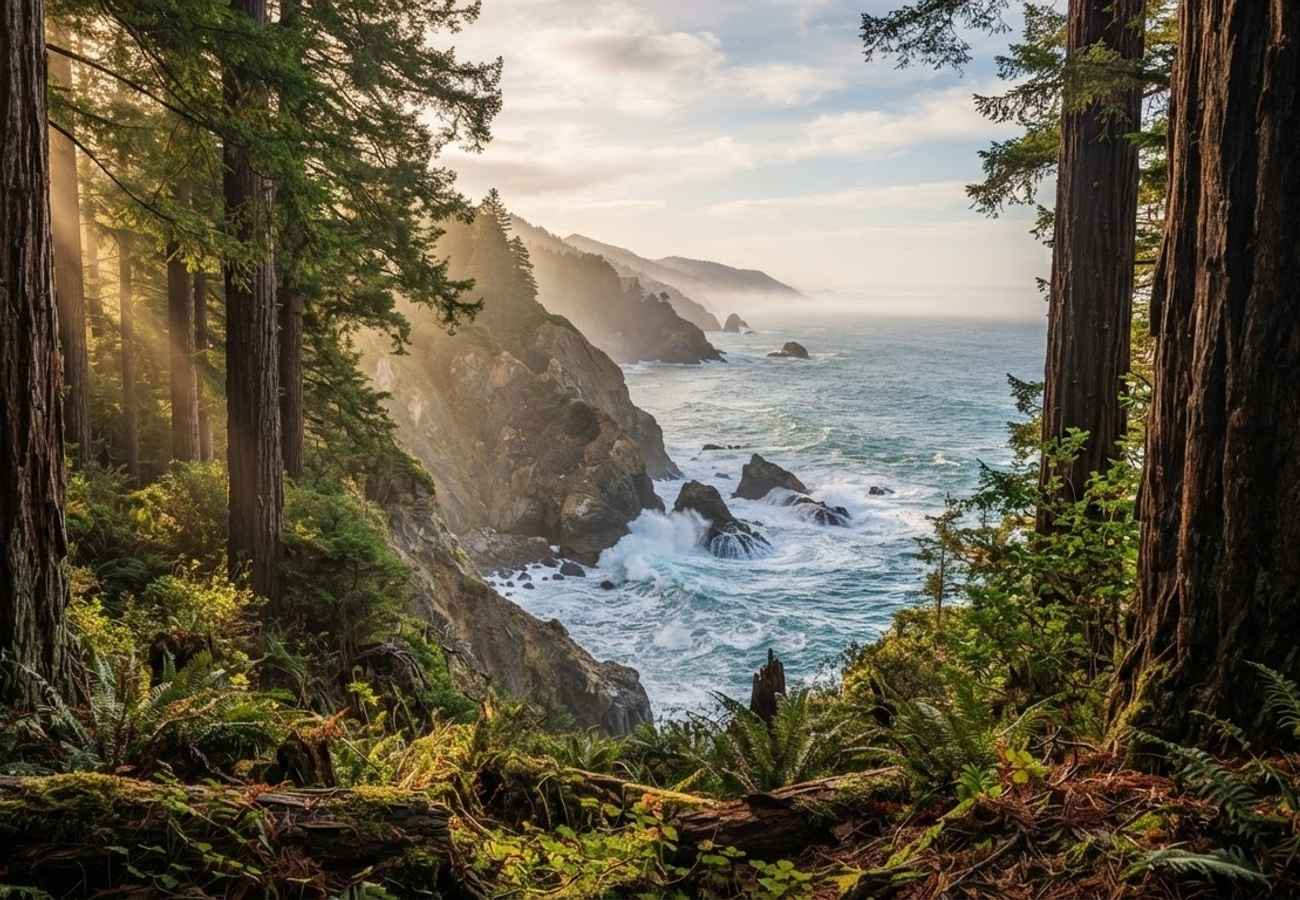
Image generated by AI
Northern California is emerging as the primary strategic alternative for travelers seeking to bypass mass tourism. While major hubs face unprecedented congestion, six specific coastal and inland towns provide a high-value blend of redwood forests, historic architecture, and dramatic Pacific vistas.
The geography of California tourism is currently skewed toward a few recognizable landmarks. Los Angeles, San Francisco, and the Pacific Coast Highway dominate international itineraries. However, the northern regions offer a distinct value proposition: space. As destination management becomes a critical industry concern, these smaller communities are positioned to distribute visitor spending away from saturated hubs.
The scale of this saturation is evident in the data. Yosemite National Park recorded 4,278,413 recreation visits in 2025, with nearly 75% of that traffic concentrated between May and October. For the discerning traveler, the northern coast offers a temperate Mediterranean climate—characterized by cool, dry summers and mild, rainy winters—that serves as a viable sanctuary during peak season.
Strategic Destinations for the 2026 Road Trip
Our analysis of the region suggests that these towns function best as a multi-stop itinerary rather than isolated visits.
- Carmel-by-the-Sea: A hub of small-town luxury defined by independent galleries and a walkable center. Notably, in 2026, the city is implementing a formal street-addressing system to meet California Fire Code requirements, marking a shift from its historic lack of conventional addresses.
- Fort Bragg: A former lumber and military town now centered on outdoor recreation. Key assets include Glass Beach, the Skunk Train (operating since 1885), and MacKerricher State Park.
- Mendocino: A cliffside village where nature is the primary attraction. The Jug Handle State Natural Reserve features an "Ecological Staircase" of five marine terraces, illustrating tectonic uplift and biological succession.
- Eureka: The gateway to the redwood frontier. The region hosts coast redwoods exceeding 350 feet, with some specimens estimated at over 2,500 years old.
- Sonora: Located in the Sierra Nevada foothills, this town connects Gold Rush heritage with the High Sierra, serving as a strategic base for those visiting Yosemite.
- St. Helena: The sophisticated anchor of Napa Valley, integrating world-class gastronomy with vineyard architecture.
Regional Tourism Data and Logistics
The following data highlights the disparity between headline attractions and the potential for regional distribution.
| Metric | Detail / Figure | Context |
|---|---|---|
| Yosemite 2025 Visits | 4,278,413 | Peak concentration May–October |
| Redwood Height | 350+ feet | Recorded by California State Parks |
| Redwood Age | 2,500+ years | Oldest known examples |
| Skunk Train History | Since 1885 | Connecting coast to redwood forests |
| Eureka Distance | ~5 hours | Road travel from San Francisco |
Why This Matters: The Shift Toward "Slow Travel"
From a logistical perspective, the rise of these under-the-radar towns signals a broader industry shift toward "slow travel." When a single destination like Yosemite attracts over 4.2 million people, the visitor experience often degrades into a series of queues.
For travelers, the real impact of choosing towns like Mendocino or Eureka is the ability to access "frontier" experiences—such as the pygmy forests of Jug Handle Reserve—without the crowds. From an economic standpoint, these gateway towns are essential. They capture spending on accommodation and services that would otherwise be concentrated in a few high-density zones, ensuring the economic viability of rural Northern California.
Our analysis indicates that the "gateway" model (e.g., using Sonora as a base for Yosemite) is the most efficient way to experience the state. It allows for a diversified itinerary that combines natural wonders with cultural heritage, reducing the stress of peak-season transit.
Forward Outlook
Expect to see further infrastructure modernization in these regions, similar to Carmel's 2026 addressing project, as they prepare for a steady increase in "anti-tourism" travelers. The trend toward ecological tourism—specifically focusing on the geological history of the North Coast—will likely drive more specialized, high-spend visits to the Mendocino and Eureka corridors.
The future of California travel lies not in the crowded valleys, but in the quiet canopy of the north.
Related Travel Guides
Disclaimer
This article is for informational and educational purposes only. It does not constitute legal, financial, or professional advice. While we strive to provide accurate and up-to-date information, travel policies, regulations, and conditions change rapidly. Always verify information with official sources before making travel decisions. Nomad Lawyer makes no representations about the accuracy, reliability, completeness, or suitability of the information provided. Readers should consult qualified professionals for advice specific to their circumstances. The views expressed in this article are those of the author and do not necessarily reflect the views of Nomad Lawyer.