
Mauritius Local Experiences: 10 Ways to Explore Beyond the Beach
Mauritius shifts its tourism strategy beyond coastal resorts, highlighting port markets, heritage villages, tea country, and UNESCO world heritage sites.

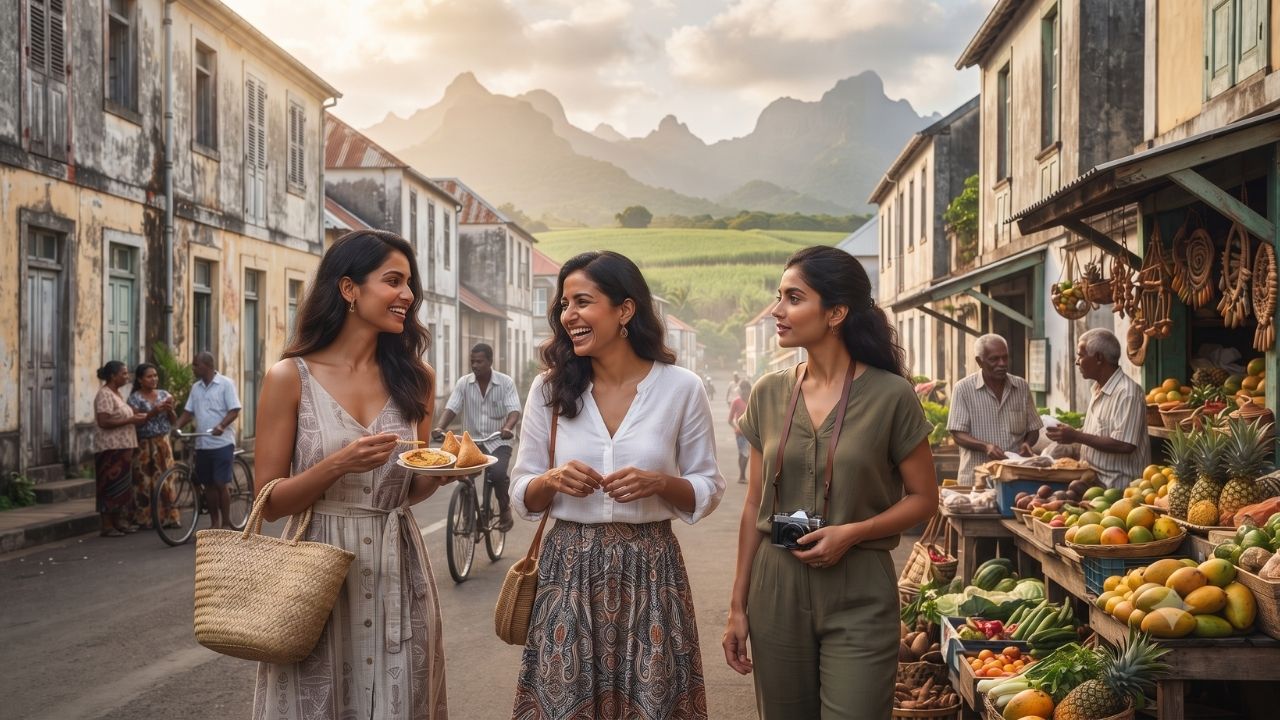
Image generated by AI
A record 1.436 million international travelers visited Mauritius in 2025, driving a structural shift toward localized cultural experiences, inland tea plantation tours, and heritage site discovery beyond the beach resorts.
The Rise of Culturally Dispersed Tourism in Mauritius
According to government statistics, international arrivals to Mauritius rose by 3.9% from 1.382 million (1,382,177) in 2024 to 1.436 million (1,436,250) in 2025. Air arrivals grew by 4.7% to reach 1.411 million (1,411,791), while sea arrivals fell 27.6% to 24,459. Indian tourist arrivals grew by 33.5% to reach 75,808.
During the first half of 2025, visitors spent an average of Rs 6,600 per night of stay. Hotel guests spent an average of Rs 10,700 per night, while those utilizing non-hotel accommodations averaged Rs 1,900. In 2024, the island recorded 15.42 million tourist nights, with an average length of stay of 11.4 nights.
The high volume and length of stays provide an opportunity to broaden the tourism portfolio. The Tourism Ministry and the Tourism Authority are encouraging visitor dispersal away from the resort coastlines into the interior, aiming to distribute tourist spending to local entrepreneurs, artisans, and cultural practitioners.
10 Overlooked Mauritius Local Experiences
To help travelers discover the cultural and environmental layers of Mauritius, local destination specialists highlight ten experiences beyond the beach circuit:
Core Local Experiences in Mauritius Beyond the Beach
| Local Travel Experience | Recommended Time | Core Cultural or Environmental Highlight | Landmark Locations Included |
|---|---|---|---|
| Port Louis Central Market | 2 – 3 Hours | Street food tasting and local produce shopping | Port Louis Waterfront, Chinatown |
| Mahébourg History Tour | Half Day | Tracing colonial, maritime, and Dutch-French-British history | Maison Robillard (Château Gheude), River La Chaux |
| The Mauritius Tea Route | Half / Full Day | Exploring highland agriculture and plantation heritage | Bois Chéri, Domaine des Aubineaux, Saint Aubin |
| UNESCO Heritage Sites | Half Day | Understanding indentured labor history and maroon resistance | Aapravasi Ghat (Port Louis), Le Morne |
| Inland Scenic Drive | Full Day | Volcanic mountain views, sugar-cane fields, rural villages | Chamarel highlands, Black River Gorges |
1. Port Louis Central Market
The central market in the capital, Port Louis, serves as an active everyday shopping hub for residents. Visitors can discover the island's culinary culture by sampling local street foods like dholl puri, farata, samosas, gato pima, and alouda (a sweet milk drink). The market is located near Chinatown and the Caudan Waterfront, making it a great starting point for walking tours.
2. Mahébourg Maritime and Colonial History
Mahébourg, on the southeastern coast, offers historical context without the crowds of the capital. The National History Museum is housed within Château Gheude (Maison Robillard), a colonial estate dating to around 1772, situated in a 12-acre park beside the River La Chaux. The exhibits trace the island's Dutch, French, and British colonial periods.
3. Authentic Local Gastronomy
By choosing local diners and street stalls over resort menus, visitors support small food businesses. Traditional Creole, Indian, Chinese, and French culinary elements are combined in daily meals, featuring stews like rougaille and flatbreads.
4. Cultural Preservation and Intangible Heritage
Mauritius' multi-ethnic heritage is protected by the National Heritage Fund, which maintains inventories of intangible traditions such as Sega Tipik Morisien and Geet Gawai. Travelers can explore this heritage through historic temples, mosques, churches, and shrines, treating them as active community spaces.
5. Scenic Inland Routes
A road trip through the interior shifts the travel focus to sugar-cane fields, volcanic mountains, and rural villages. Scenic drives connect the coastlines through the forested terrain of the Chamarel highlands and Black River Gorges.
6. Quiet Coastal Walks
For a relaxed coastal experience, travelers can explore quiet fishing villages, watch traditional net fishing, and walk along public lagoons without booking formal resort excursions.
7. The Mauritius Tea Route
The official Tea Route is an agricultural journey through Domaine des Aubineaux, Bois Chéri, and Saint Aubin. Visitors can walk through historic tea plantations, tour processing museums, and participate in tea-tasting sessions in the cooler highlands.
8. Village Life Integration
Slowing down in regional villages allows travelers to support local cafes, buy handmade crafts, and understand daily life outside the resort gates, promoting inclusive economic opportunities.
9. Nightlife Beyond the Resorts
Exploring municipal areas after the daytime tour groups leave allows travelers to dine at independent neighborhood restaurants and cafes, dispersing tourist dollars into local communities.
10. UNESCO World Heritage Sites
Mauritius hosts two UNESCO World Heritage properties. Aapravasi Ghat in Port Louis is a historic depot where nearly half a million indentured laborers from India arrived between 1834 and 1920. Le Morne Cultural Landscape, a rugged mountain, stands as a symbol of resistance and freedom for enslaved people who formed maroon settlements.
Destination Specialist Local Insider Tips
To help travelers explore Mauritius sustainably, local travel specialists recommend the following insider tips:
- Plan Your Visit Around the Dry Winter Window: The optimal time for hiking the interior and exploring tea estates is from May to October, when temperatures are cooler and rainfall is minimal.
- Register for Guided Heritage Walks: Engage registered local guides to visit Aapravasi Ghat and Le Morne to ensure respectful behavior and accurate historical storytelling.
- Follow Local Etiquette at Places of Worship: Remove shoes, dress modestly (covering shoulders and knees), and seek permission before taking photographs at active temples or churches.
- Support Small-Scale Artisans Directly: Buy handmade woven baskets, local vanilla, and spices at regional village markets rather than pre-packaged resort stores.
- Rent an EV for Inland Drives: Use electric or high-efficiency rental vehicles to traverse the steep mountain roads, reducing carbon emissions in natural preserves.
Future Outlook
As international arrivals continue to grow, the long-term success of Mauritian tourism relies on spreading travel benefits beyond the coastline. By integrating historic heritage, local agriculture, and community-led dining into visitor itineraries, the island builds a more resilient, inclusive travel model that preserves its cultural assets.
Related Travel Guides
Disclaimer
This article is for informational and educational purposes only. It does not constitute legal, financial, or professional advice. While we strive to provide accurate and up-to-date information, travel policies, regulations, and conditions change rapidly. Always verify information with official sources before making travel decisions. Nomad Lawyer makes no representations about the accuracy, reliability, completeness, or suitability of the information provided. Readers should consult qualified professionals for advice specific to their circumstances. The views expressed in this article are those of the author and do not necessarily reflect the views of Nomad Lawyer.
Preeti Gunjan
Contributor & Community Manager
A passionate traveller and community builder. Preeti helps grow the Nomad Lawyer community, fostering engagement and bringing the reader experience to life.
Learn more about our team →