
UK Teams Up with Italy and More European Partners as Malta Tourism GDP Growth Crosses 16% Through Luxury Travel and Connectivity
UK Teams Up with Italy and More European Partners as Malta Tourism GDP Growth Crosses 16% Through Luxury Travel and Connectivity

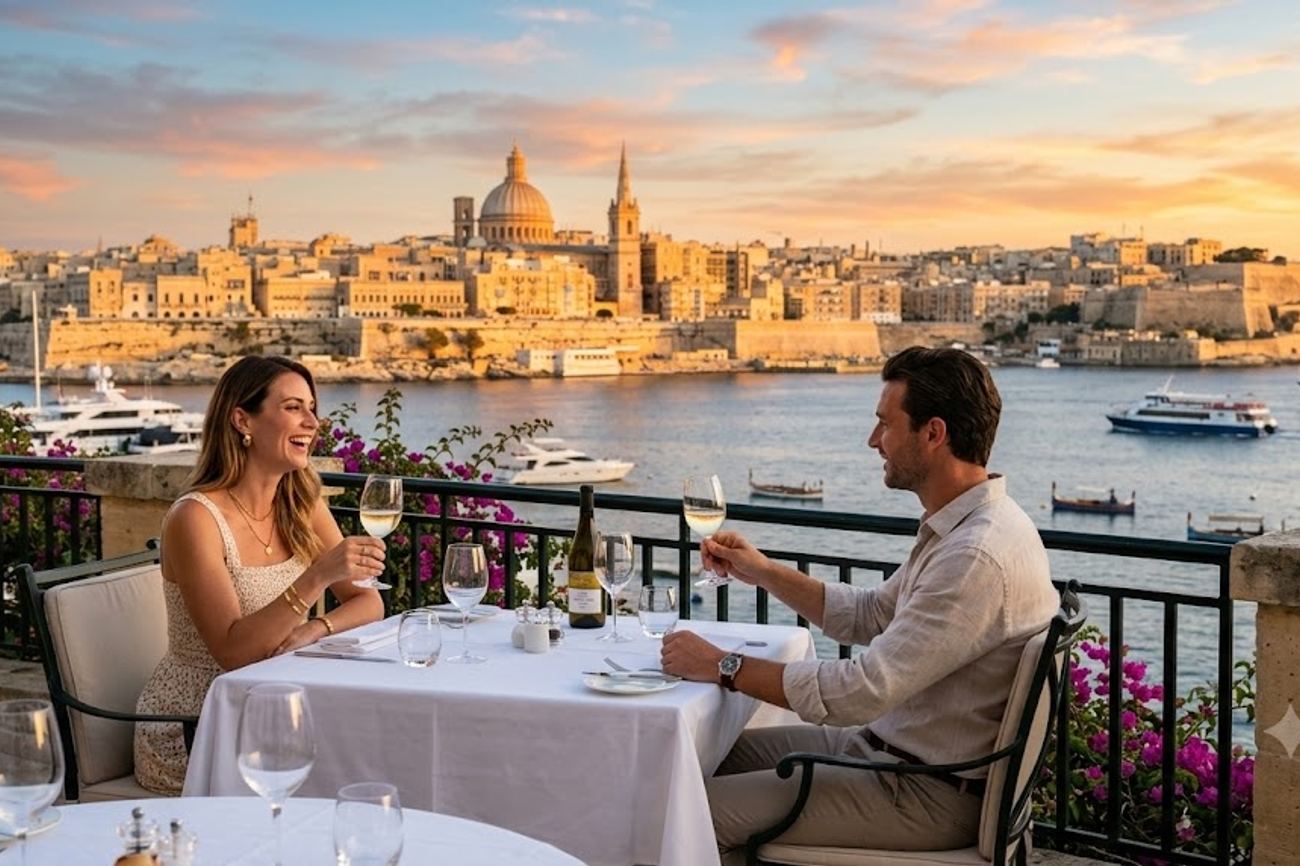
Image generated by AI
[Valletta, July 2026] — The Republic of Malta has established a new regional benchmark for economic recovery, with tourism revenue contributions now crossing the 16 per cent threshold of the national GDP. Recent data confirms the island nation has successfully pivoted from a volume-based tourism model to a high-yield, premium strategy, resulting in unprecedented financial growth and stability.
The surge is driven by a deliberate policy shift targeting high-net-worth individuals and the strengthening of strategic alliances with the United Kingdom and Italy. According to the latest figures from the National Statistics Office (NSO), the influx of affluent travelers is neutralizing traditional trade deficits and providing the Maltese government with the fiscal headroom to maintain energy subsidies and modernize critical infrastructure.
The Catalyst for GDP Expansion
The current economic trajectory is the result of a structural evolution designed to prioritize "quality over quantity." By focusing on sustainable, luxury-tier tourism, Malta has decoupled its growth from the volatile budget-travel market. This shift is supported by the European Commission, whose 2026 country report projects a total real GDP growth of 3.7 per cent for the nation.
The tourism ecosystem—which includes direct visitor spending, indirect supply chain benefits, and induced economic activity—is now the primary engine of this growth. The surplus generated by the services trade is effectively offsetting the cost of imported goods, allowing the state to meet medium-term structural fiscal commitments and safeguard social protection systems.
Market Impact and Visitor Demographics
The expansion is characterized by a significant shift in who is visiting the islands and how they are spending their money. The industry has successfully eradicated traditional seasonality, transforming Malta into a year-round destination.
Key Arrival and Spending Metrics (January – May 2026):
| Metric | 2026 Figure | Year-on-Year Change |
|---|---|---|
| Total Inbound Tourists | 1,673,602 | +17.9% |
| Total Visitor Expenditure | €1,339.6 Million | +14.7% |
| Total Guest Nights | 9.2 Million | +12.0% |
| Average Expenditure Per Night | €162.1 | N/A |
| Average Length of Stay | 5.7 Nights | Stable |
May 2026 Snapshot:
- Total Inbound Tourists: 457,636 (a 22.3% increase over May 2025).
- Monthly Expenditure: €419.9 million (a 15.5% increase over May 2025).
Visitor Profile Shifts: The Ministry for Tourism's strategy to attract mature, affluent demographics is yielding results. The 25 to 44 age bracket now represents the largest share of visitors at 37.4 per cent, followed closely by the 45 to 64 demographic at 34.2 per cent. These groups are identified as having higher disposable incomes and a stronger preference for premium experiential spending compared to budget-conscious youth travelers.
What This Means for Travelers
For those planning a trip to Malta, the shift toward a "premium" economy manifests in several practical ways:
1. Shift in Accommodation Trends The traditional hotel model is being supplemented by high-end rentals. 88.0 per cent of all guest nights are now spent in rented accommodation establishments, including luxury villas, boutique apartments, and premium short-let properties. Travelers should expect higher availability and a wider variety of luxury private rentals than in previous years.
2. Increased Costs for Services With the average expenditure per night reaching €162.1, visitors should anticipate a rise in the cost of dining, excursions, and boutique services. The focus on "high-yield" tourism means that luxury offerings are expanding, but budget options may become less prominent in the primary tourism hubs.
3. Enhanced Connectivity and Infrastructure The financial windfall from the tourism boom is being reinvested into the nation's infrastructure. Travelers can expect improved aviation connectivity and more seamless transport links between the airport and luxury hubs, as the government uses tourism surpluses to upgrade essential public works.
4. Year-Round Availability The "seasonality" of Malta has effectively ended. The 17.9 per cent increase in early-year arrivals indicates that the island is now fully equipped to handle high volumes of tourists outside of the traditional summer window, meaning luxury services are now operational 12 months a year.
Strategic Alliances and Future Outlook
The Republic of Malta is leveraging deep-rooted European partnerships to sustain this growth. A critical alliance with the United Kingdom has been central to the increase in high-net-worth arrivals. By coordinating transportation and luxury travel incentives with UK and Italian partners, Malta has secured a steady pipeline of premium visitors.
Looking forward, the government intends to use the current surplus to further its sustainable tourism goals. The focus will remain on maintaining the 16 per cent GDP contribution threshold without compromising the island's environmental integrity. The integration of more sophisticated aviation links and the continued promotion of the 45-64 age demographic are expected to keep the growth trajectory positive through the end of 2026.
The government's medium-term structural plan suggests that as long as the services trade surplus remains high, Malta will continue to outpace regional benchmarks for economic stability in the Mediterranean basin.
FAQ: Malta Luxury Travel 2026
Is Malta still a budget-friendly destination? While budget options exist, the national strategy has shifted toward luxury and high-yield tourism. With an average nightly spend of €162.1, travelers should expect a general increase in prices for premium services and accommodations.
When is the best time to visit Malta now? The traditional "off-season" has largely disappeared. Data from early 2026 shows a 17.9% increase in visitors from January to May, proving the island is now a viable, high-service destination throughout the entire year.
What is the most popular type of accommodation in Malta? Rented accommodation is now dominant, accounting for 88.0% of all guest nights. This includes a surge in luxury villas and boutique apartments over traditional large-scale hotels.
Which demographics are visiting Malta the most? The primary visitors are now adults aged 25 to 64, who make up over 71% of all arrivals. This shift is part of a government effort to attract travelers with higher disposable incomes.
Malta has successfully rewritten the playbook for small-island economics, trading mass-market volume for high-value stability.
#MaltaTourism2026 #VallettaEconomy #NSOMalta #MediterraneanLuxuryTravel #MaltaGDPGrowth #EUaviation2026
Related Travel Guides
- Uzbekistan and Azerbaijan to Unlock New Tourism Trade and Investment Opportunities Through Diplomatic Ties
- Berlin Aligns with Munich and More Cities to Propel Germany Tourism GDP Over 20% Through Global Demand, Cruise Growth and Aviation Links
- US Unites Germany and More Countries as Istanbul Sees Massive Foreign Visitor Share in Tourism Growth
Disclaimer
This article is for informational and educational purposes only. It does not constitute legal, financial, or professional advice. While we strive to provide accurate and up-to-date information, travel policies, regulations, and conditions change rapidly. Always verify information with official sources before making travel decisions. Nomad Lawyer makes no representations about the accuracy, reliability, completeness, or suitability of the information provided. Readers should consult qualified professionals for advice specific to their circumstances. The views expressed in this article are those of the author and do not necessarily reflect the views of Nomad Lawyer.
Preeti Gunjan
Contributor & Community Manager
A passionate traveller and community builder. Preeti helps grow the Nomad Lawyer community, fostering engagement and bringing the reader experience to life.
Learn more about our team →