
Berlin Aligns with Munich and More Cities to Propel Germany Tourism GDP Over 20% Through Global Demand, Cruise Growth and Aviation Links
Berlin Aligns with Munich and More Cities to Propel Germany Tourism GDP Over 20% Through Global Demand, Cruise Growth and Aviation Links

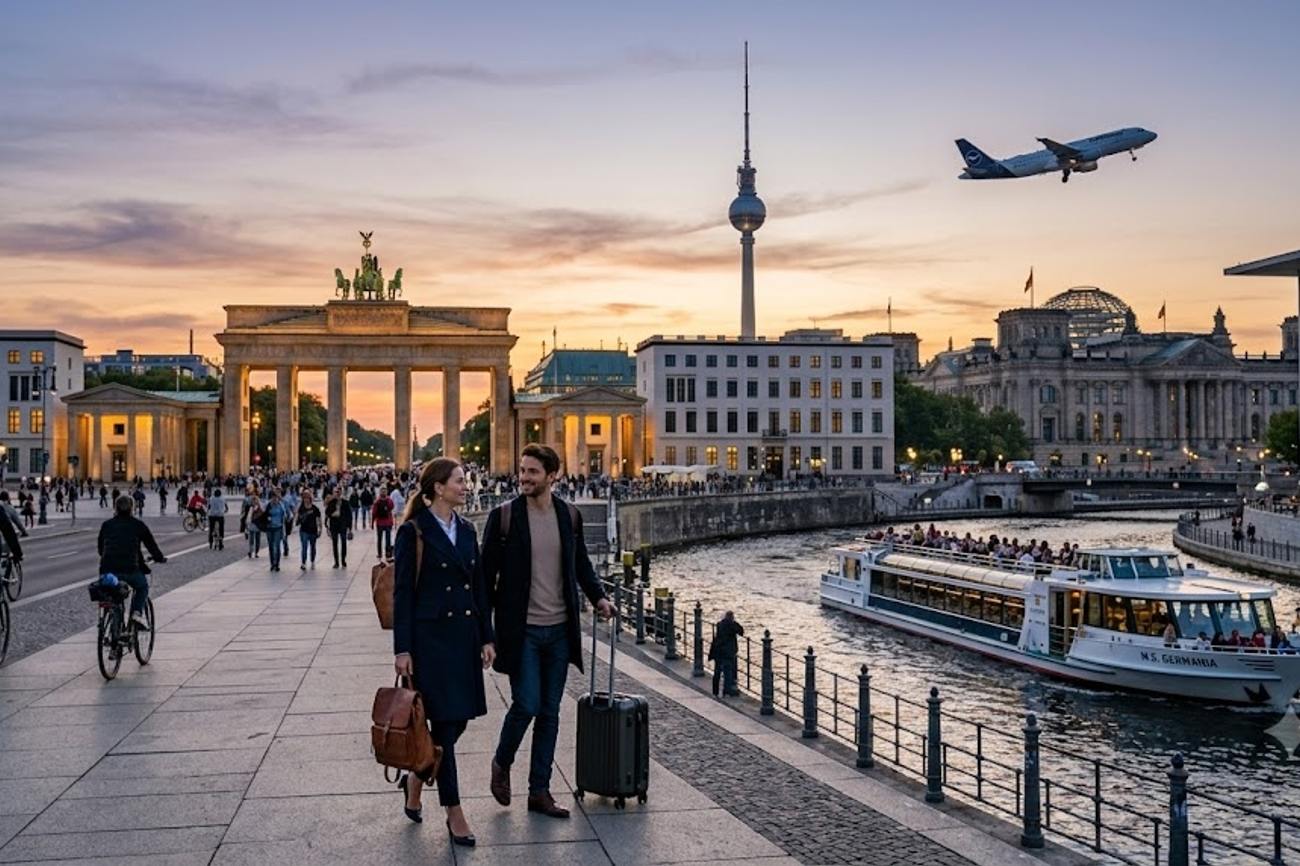
Image generated by AI
[Berlin, October 2023] — Germany is launching a massive structural overhaul of its tourism economy as the municipal travel boards of Berlin, Munich, Hamburg, and Frankfurt establish a first-of-its-kind cross-regional partnership to unify the nation's international marketing and logistics.
The strategic alliance marks a definitive end to decades of fragmented, city-by-city promotion. By integrating the distinct strengths of the "cultural capital" (Berlin), the "alpine gateway" (Munich), the "maritime hub" (Hamburg), and the "aviation mega-hub" (Frankfurt), these metropolitan centers are coordinating their global sales funnels to increase visitor spending and extend the average length of stay for international travelers.
The End of Municipal Rivalry
For decades, Germany’s tourism model was defined by a polycentric structure where major cities—including Cologne and Stuttgart—managed their own budgets and overseas campaigns independently. While this preserved regional diversity, it created significant redundancies in promotional spending and left international marketing efforts disjointed.
The catalyst for this shift was the systemic disruption of global travel between 2020 and 2022. While domestic leisure travel initially fueled the recovery, municipal leaders determined that competing against one another for long-haul visitors was inefficient. The new framework moves away from regional rivalry toward a systematic national cooperation model. This alignment is designed to streamline the visitor journey, making it easier for a traveler to book a multi-city itinerary that spans several federal states without encountering administrative or logistical friction.
The Federal Coordination Challenge
Implementing this unified strategy requires navigating Germany's complex legal architecture. Under the Basic Law (Grundgesetz), the sixteen individual federal states (Länder) hold primary legislative competence over cultural affairs and regional economic promotion. This means state ministries for economic affairs maintain their own distinct funding models and development strategies.
To bridge these gaps, municipal boards such as visitBerlin and München Tourismus are now harmonizing their digital data platforms and coordinating joint appearances at international trade fairs. This effort is being synchronized with the German National Tourist Board (GNTB), which operates under the Federal Ministry for Economic Affairs and Climate Action (BMWK). By aligning municipal targets with federal sustainability guidelines, the cities are breaking down traditional administrative silos to create a seamless booking and mobility experience.
Who Is Affected
The new strategic alignment focuses on four primary hubs, each serving a specific role in the national tourism ecosystem:
- Berlin: Positioned as the center for culture, sustainable urbanism, and MICE (Meetings, Incentives, Conferences, and Exhibitions).
- Munich: Serving as the premium inbound market and the primary gateway to the Alps, supported by heavy long-haul aviation links.
- Hamburg: Focusing on northern port logistics, maritime cruise traffic, and the implementation of shore-power clean technology.
- Frankfurt: Acting as the primary intermodal rail and air mega-hub, leveraging its status as a global financial center.
What This Means for Travelers
For the individual traveler, this corporate restructuring translates into several practical improvements:
- Simplified Multi-City Booking: Expect more integrated travel packages that combine flights into Frankfurt or Munich with rail connections to Berlin and Hamburg, reducing the need to navigate four different regional booking systems.
- Standardized Digital Experiences: The harmonization of data platforms means more consistent digital guides, ticketing, and transit information across the four major hubs.
- Sustainable Itineraries: A new push toward "sustainable cultural itineraries" means more options for low-carbon travel between cities, likely emphasizing the Deutsche Bahn rail network over short-haul domestic flights.
- Coordinated Events: Better alignment of city-specific festivals and conventions, allowing travelers to plan trips around multiple high-value events across different cities in a single visit.
The Economic Engine: By the Numbers
The scale of this coordination is driven by the massive economic weight of the sector. According to the Tourism Satellite Account (TSA) from the Federal Statistical Office of Germany (Destatis), the industry is a cornerstone of the national GDP.
Direct Economic Impact: The direct gross value added by tourism is €92 billion, which accounts for 3.1% of Germany’s total GDP. When indirect multiplier effects—such as agricultural supply chains for the gastronomy sector and municipal infrastructure investments—are included, the total gross value added climbs to €159 billion.
Supply and Retention: The total supply of tourism goods and services stands at €274 billion. A critical metric for the government is the domestic retention rate: 88% of this product supply is produced within Germany. This is significantly higher than the broader macroeconomic domestic retention average of 83%, meaning tourism dollars stay within the local economy more effectively than other sectors.
Employment Figures: The sector is a massive employer, supporting the national workforce through two tiers:
- Direct Employment: 1.9 million persons (4.2% of total national employment).
- Total Employment (Direct & Indirect): 2.7 million persons (5.8% of the national workforce).
The Path Toward Record Growth
The immediate goal of the Berlin-Munich-Hamburg-Frankfurt alliance is to leverage expanding international aviation links and a surge in maritime cruise traffic to drive record-breaking revenue. By co-investing in global destination marketing, these cities aim to capture a larger share of the premium long-haul market.
The next phase of this evolution involves integrating the "mobility network," ensuring that the transition from a cruise ship in Hamburg or a long-haul flight in Frankfurt to a hotel in Berlin is frictionless. This systemic approach is expected to increase the "indirect value added" by encouraging tourists to spend more time—and money—in secondary cities and rural areas between the major hubs.
FAQ: Germany Urban Tourism 2023
Will this change the cost of visiting German cities? Not directly. The partnership focuses on marketing and logistics rather than pricing. However, the push for "multi-destination packages" may lead to more competitive bundle pricing for travelers visiting multiple cities.
How does this affect flight and hotel bookings? You will likely see more integrated "city-pass" options and coordinated travel bundles. The goal is to move away from fragmented bookings toward a seamless, multi-city itinerary.
Is this part of a government mandate? While the BMWK provides federal guidelines, the alliance is a strategic move by municipal boards to overcome the fragmented nature of Germany's state-led (Länder) cultural legislation.
What is the focus on "sustainable urbanism" in Berlin? Berlin is leading the push for eco-friendly tourism, focusing on reducing the carbon footprint of visitors through better public transit integration and sustainable cultural sites.
Germany is betting that unity is the only way to win the global race for the high-spending international traveler.
#GermanyTourism2023 #VisitBerlin #MunichTourism #FrankfurtAirport #HamburgPort #Destatis
Related Travel Guides
- US Unites Germany and More Countries as Istanbul Sees Massive Foreign Visitor Share in Tourism Growth
- UAE and Finland Lead 2026 Travel Transformation as AI Integration, Lapland Ski Escapes, and Experience-Led Tourism Reshape Global Demand
- Scottsdale Resort & Spa Welcomes Jake Rodriguez as New General Manager for Landmark Anniversary Year
Disclaimer
This article is for informational and educational purposes only. It does not constitute legal, financial, or professional advice. While we strive to provide accurate and up-to-date information, travel policies, regulations, and conditions change rapidly. Always verify information with official sources before making travel decisions. Nomad Lawyer makes no representations about the accuracy, reliability, completeness, or suitability of the information provided. Readers should consult qualified professionals for advice specific to their circumstances. The views expressed in this article are those of the author and do not necessarily reflect the views of Nomad Lawyer.
Naina Thakur
Contributor & Travel Specialist
Travel enthusiast and legal writer covering visa regulations, responsible tourism, and cultural journeys across global destinations.
Learn more about our team →