
Grenada Redefines Global Tourism Through its Vibrant Creative Economy and Experiential Travel Developments
Grenada Redefines Global Tourism Through its Vibrant Creative Economy and Experiential Travel Developments

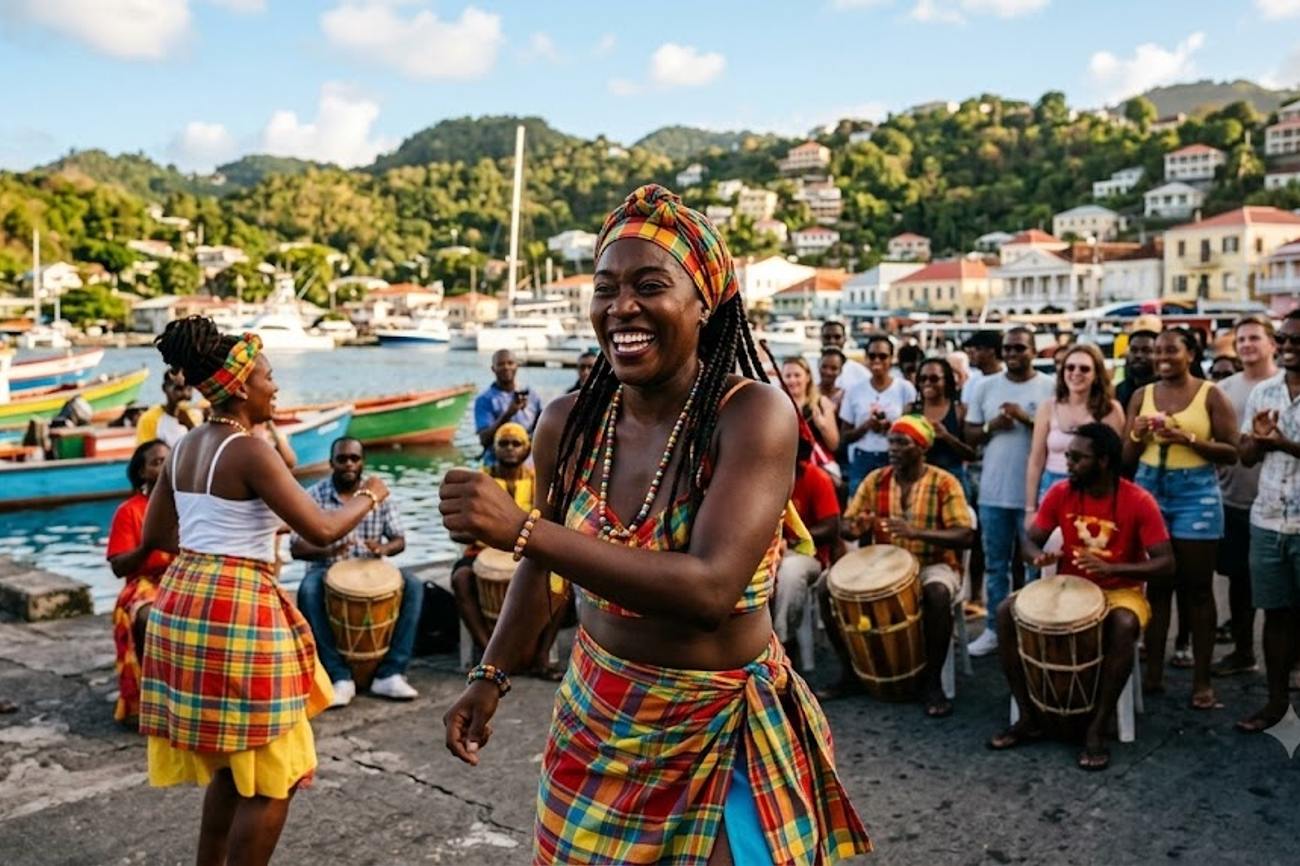
Image generated by AI
[St. George's, August 2026] — Grenada has recorded a 20% surge in total visitor arrivals during its premier 10-day Spicemas festival, signaling a successful pivot from traditional "sun and sand" tourism toward a high-growth, experience-based creative economy.
The surge occurred between August 2 and August 11, 2026, during which the tri-island state welcomed 11,299 visitors, a significant increase from the 9,448 arrivals recorded during the same period the previous year. Non-national tourist arrivals grew even more aggressively, climbing by 24%. This growth is the result of a deliberate state strategy to monetize intangible cultural heritage and diversify the tourism product across Grenada, Carriacou, and Petite Martinique.
The Pivot to Creative Economy
The Grenadian government is aggressively transitioning its tourism model to prioritize "human stories" and authentic cultural connection over generic resort experiences. This shift is led by the department of Tourism, the Creative Economy, and Culture, under Senior Technical Officer Delysia De Coteau. The strategy focuses on transforming local arts, music, and culinary traditions into sustainable commercial assets.
Central to this effort is the "Proud of my Heritage" project. Funded and approved by UNESCO, and executed via the Grenada National Trust, the project is conducting a comprehensive inventory of Intangible Cultural Heritage (ICH). This involves the formal documentation of oral expressions, traditional craftsmanship, and performing arts across the tri-island state. To integrate these findings into the public consciousness, the state launched the 2023 Intangible Cultural Heritage Calendars, which serve as educational tools to promote national identity and visitor interest.
Market Growth and Performance Metrics
The transition toward experience-based travel is yielding immediate financial and statistical returns. The Grenada Tourism Authority has reported a strong trajectory for 2024 and 2026:
- Q1 2024: Tourist arrivals increased by 30%.
- H1 2024: Sustained growth of 19% in arrivals.
- Spicemas 2026 (Aug 2-11): Total arrivals hit 11,299 (up 20% YoY).
- Spicemas 2026 (Non-nationals): Arrival growth of 24%.
These figures have earned the destination top honors at the 2026 PATWA International Travel Awards, specifically for achievements in environmental protection, sustainable development, and the delivery of authentic visitor experiences.
What This Means for Travelers
For the international visitor, the "New Grenada" model means a departure from isolated all-inclusive stays toward integrated cultural immersion. Travelers can now expect a more structured ecosystem of local artisans, musicians, and storytellers who have been trained in business acumen to provide professional, commercial-grade cultural tours.
Immediate impacts for those booking travel include:
- Shift in Peak Demand: While traditional winter peaks remain, August is now a critical high-demand window due to Spicemas. Travelers should expect extreme pressure on hotel inventory and transport from August 2 to August 11.
- Diversified Itineraries: There is a growing infrastructure for travel to the sister islands of Carriacou and Petite Martinique, which are being positioned as independent cultural strongholds rather than secondary stops.
- Experience-Based Offerings: Visitors will find more formalized opportunities to engage with "living heritage," such as J’ouvert and the Parade of the Bands, which are being integrated into the broader tourism product.
The Spicemas Economic Engine
Spicemas serves as the primary catalyst for the creative economy. As the final major Caribbean carnival of the season, it functions as a massive seasonal injection of capital that supports a wide array of local stakeholders, including culinary vendors, transport providers, and boutique accommodations.
The festival's draw is rooted in specific, high-impact cultural displays:
- J’ouvert: The "daybreak" celebration featuring the Jab Jab, where participants use black oil or charcoal and horned helmets to honor the resilience of enslaved African ancestors.
- Monday Night Mas: A modern transition featuring DJ trucks and glowsticks.
- Tuesday’s Parade of the Bands: A showcase of traditional masqueraders, including the Moko Jumbie (stilt walkers), Shortknee, Wild Indian, and Vieux Corps.
The government's long-term objective is to move beyond this seasonal spike. By establishing permanent cultural markets, the state intends to ensure that the financial benefits generated during the August peak circulate throughout the local community year-round.
Expanding the Tri-Island Footprint
The strategic expansion includes a heavy emphasis on the sister islands. Carriacou and Petite Martinique are being marketed not as appendages to the main island, but as distinct destinations with their own unique cultural identities. This geographical diversification is intended to spread tourism revenue more equitably across the state and prevent the over-tourism of primary hubs in St. George's.
By linking the creative outputs of these smaller islands to the international market, the government is creating a "tri-island identity" that encourages longer stays and higher spend-per-visitor. This approach aligns with global trends in sustainable tourism, where travelers seek deeper, less commercialized connections with the destinations they visit.
FAQ: Grenada Cultural Tourism 2026
When is the best time to visit for cultural experiences? The peak period is August 2–11 for Spicemas. However, the government is expanding "experience-based" offerings year-round, making the sister islands of Carriacou and Petite Martinique viable destinations throughout the year for those seeking authentic heritage.
What is the "Jab Jab" experience during Spicemas? The Jab Jab is part of the J’ouvert (daybreak) celebrations. Participants cover themselves in charcoal or black oil and wear horned helmets. It is a living tribute to the liberation and resilience of enslaved African ancestors.
How has the tourism experience changed in Grenada recently? The focus has shifted from "sun, sand, and surf" to a creative economy. This means more professionalized access to local artisans, documented cultural heritage sites via the Grenada National Trust, and a push toward sustainable, immersive travel.
Are the sister islands accessible for tourists? Yes. Carriacou and Petite Martinique are being actively promoted as essential parts of the tri-island state, offering distinct cultural experiences separate from the main island of Grenada.
Grenada is no longer just a beach destination; it is a living museum of Caribbean resilience.
#GrenadaTourism2026 #Spicemas2026 #CreativeEconomy #UNESCOHeritage #CarriacouTravel #TriIslandState
Related Travel Guides
- UK Teams Up with Italy and More European Partners as Malta Tourism GDP Growth Crosses 16% Through Luxury Travel and Connectivity
- Uzbekistan and Azerbaijan to Unlock New Tourism Trade and Investment Opportunities Through Diplomatic Ties
- Berlin Aligns with Munich and More Cities to Propel Germany Tourism GDP Over 20% Through Global Demand, Cruise Growth and Aviation Links
Disclaimer
This article is for informational and educational purposes only. It does not constitute legal, financial, or professional advice. While we strive to provide accurate and up-to-date information, travel policies, regulations, and conditions change rapidly. Always verify information with official sources before making travel decisions. Nomad Lawyer makes no representations about the accuracy, reliability, completeness, or suitability of the information provided. Readers should consult qualified professionals for advice specific to their circumstances. The views expressed in this article are those of the author and do not necessarily reflect the views of Nomad Lawyer.
Preeti Gunjan
Contributor & Community Manager
A passionate traveller and community builder. Preeti helps grow the Nomad Lawyer community, fostering engagement and bringing the reader experience to life.
Learn more about our team →