
UK Food Security Threatened by El Niño as Rising Costs Hit Agriculture and Tourism
El Niño and rising fuel costs are straining UK agriculture, threatening food security and increasing prices for hotels, restaurants, and travelers.

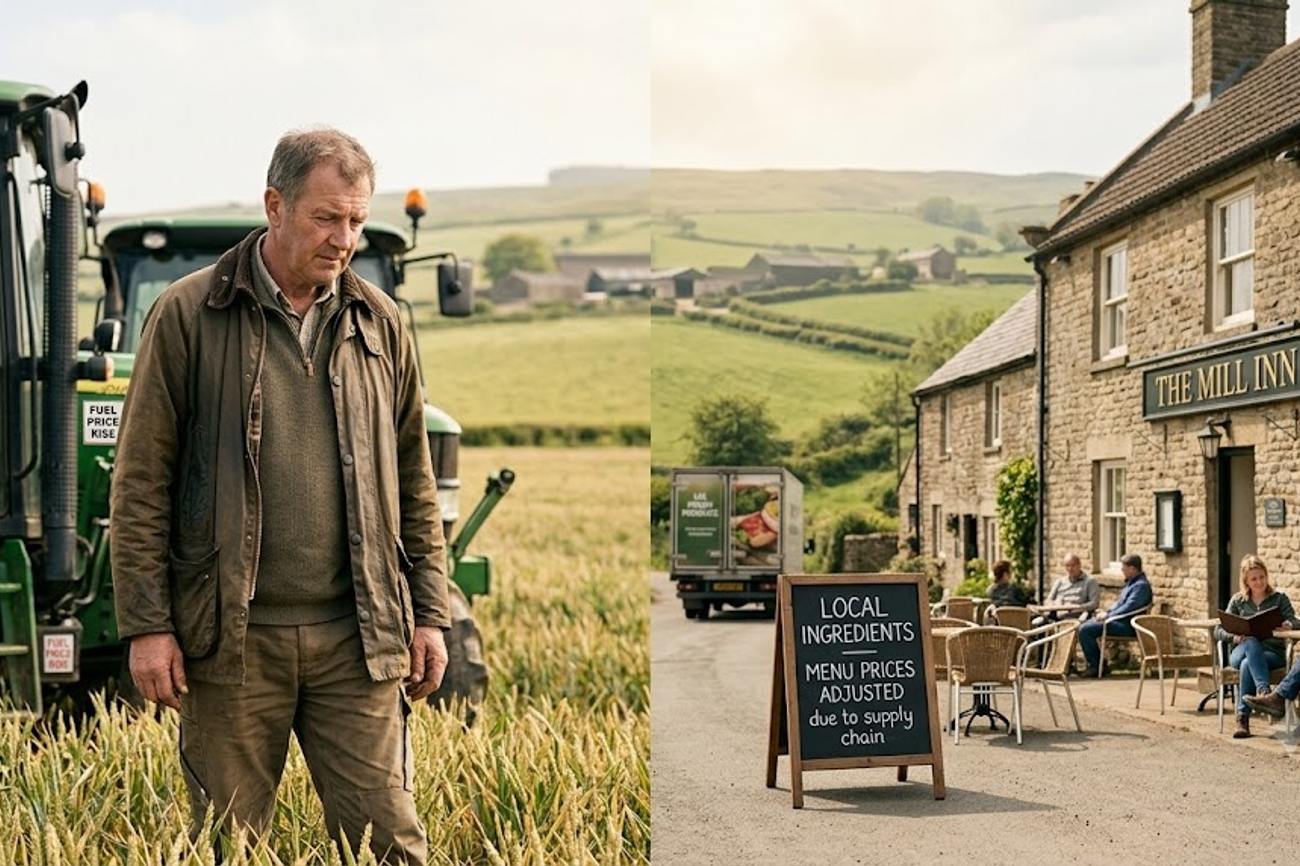
Image generated by AI
[London, September 7, 2026] —
The United Kingdom is currently grappling with a multifaceted food supply crisis as the intensifying influence of El Niño converges with skyrocketing fuel expenditures and extreme weather patterns. This convergence is placing severe strain on the domestic agricultural economy, with industry reports suggesting that reduced crop yields and livestock production could tighten national supplies. The resulting inflationary pressure is expected to extend beyond supermarket aisles, directly impacting the operational costs of the hospitality sector and increasing the overall expense of visiting Britain for both domestic and international travelers.
Climate Volatility and the El Niño Influence
El Niño, a periodic climate phenomenon characterized by the abnormal warming of surface waters in the central and eastern tropical Pacific Ocean, is now exerting a measurable influence on British weather patterns. While the phenomenon originates thousands of miles away, its global reach often disrupts rainfall and temperature stability in the Northern Hemisphere.
For the UK agricultural sector, the danger lies in the synergy between these global climate shifts and existing domestic vulnerabilities. British farmers rely on highly predictable seasonal cycles to manage planting and harvesting. When El Niño disrupts these patterns, it creates an environment of instability. Extreme weather events—ranging from unseasonable droughts to excessive rainfall—can devastate crop yields, degrade the quality of grazing pastures, and compromise livestock health.
When these climate shocks occur simultaneously with rising overheads, farmers are often forced into difficult commercial decisions. Industry observers indicate that some producers may be compelled to scale back output, postpone essential capital investments, or abandon specific crop varieties that are no longer financially viable under current conditions.
Surging Production and Logistics Costs
The agricultural supply chain is heavily dependent on energy, making it hypersensitive to fluctuations in fuel pricing. Fuel is a primary cost driver at every stage of production, from the diesel required to power heavy machinery for tilling and harvesting to the energy needed for heating greenhouses and powering farm facilities.
The financial burden does not end at the farm gate. The logistics of moving produce from rural hubs to processing centers, distribution warehouses, and eventually to retail outlets or hospitality venues adds a significant layer of expense. As fuel bills climb, these costs are inevitably passed down the chain.
For the tourism and leisure industry, this creates a direct operational challenge. Hotels, rural inns, and catering businesses operate on thin margins and rely on a steady stream of affordable ingredients. When the cost of sourcing local produce rises, these businesses face a critical choice: absorb the losses, reduce the quality of their offerings, or increase prices for the end consumer.
Global Supply Chain Vulnerabilities and Food Security
The UK's reliance on international markets for a substantial portion of its food intake means that domestic stability is inextricably linked to global production. El Niño does not affect the UK in isolation; it simultaneously disrupts major agricultural exporters worldwide.
If a primary exporting region suffers a harvest failure due to climate anomalies, the UK must compete with other nations for a diminishing pool of available imports. This global competition typically drives up the price of imported commodities, further inflating the cost of living and business operations within Britain.
Industry experts argue that this situation underscores the urgent need for enhanced agricultural resilience. A secure food system must be capable of weathering "black swan" climate events and energy price volatility without causing systemic failure or extreme price spikes for the consumer.
Economic Correlation Between Farming and Tourism
The relationship between agricultural output and the visitor economy is direct. Food is not merely a necessity but a core component of the UK travel experience, from high-end dining in London to traditional tea rooms in the Cotswolds.
The following data outlines the specific pressures currently facing the supply chain and their subsequent impact on the tourism sector:
| Pressure Factor | Potential Effect On UK Food Supply | Wider Tourism Impact |
|---|---|---|
| Higher fuel bills | Increased farm and transport costs | Higher hospitality operating costs |
| Extreme weather | Lower or less predictable production | Greater food expenditure for hotels and restaurants |
| El Niño disruption | International supply uncertainty | Increased prices for imported ingredients |
| Reduced farm output | Tighter domestic availability | Pressure on menus and visitor spending |
| Higher food prices | Increased household expenditure | More expensive holidays and dining |
The Ripple Effect on the Visitor Economy
As food prices rise, the "cost of the trip" increases for the traveler. Accommodation providers, particularly those offering half-board or all-inclusive packages, are seeing their catering expenses climb. This necessitates a revision of pricing structures to maintain profitability, which can make UK destinations less competitive compared to other European markets.
Furthermore, the hospitality sector—including cafes and restaurants—serves as a primary draw for tourists. When these establishments are forced to raise menu prices to offset the cost of ingredients and energy, it reduces the discretionary spending power of visitors. This can lead to a decrease in the average length of stay or a reduction in the number of dining experiences per trip.
Why This Matters: The Traveler's Perspective
For the modern traveler, this agricultural crisis translates into a tangible increase in the "hidden costs" of a trip. While flight and hotel base rates are the primary focus, the daily cost of dining and local experiences is where these inflationary pressures are most felt. From a logistical standpoint, we are seeing a shift where "local sourcing"—once a marketing luxury—is becoming a complex financial challenge for hoteliers.
If the UK cannot stabilize its food supply chain against El Niño's volatility, travelers should expect a permanent upward shift in the cost of hospitality services. The intersection of climate change and energy costs means that the era of low-cost dining in the UK's tourism hubs may be ending, replaced by a pricing model that reflects the true cost of climate-resilient farming.
Related Travel Guides
Disclaimer
This article is for informational and educational purposes only. It does not constitute legal, financial, or professional advice. While we strive to provide accurate and up-to-date information, travel policies, regulations, and conditions change rapidly. Always verify information with official sources before making travel decisions. Nomad Lawyer makes no representations about the accuracy, reliability, completeness, or suitability of the information provided. Readers should consult qualified professionals for advice specific to their circumstances. The views expressed in this article are those of the author and do not necessarily reflect the views of Nomad Lawyer.
Raushan Kumar
Founder & Lead Developer
Full-stack developer with 11+ years of experience and a passionate traveller. Raushan built Nomad Lawyer from the ground up with a vision to create the best travel and law experience on the web.
Learn more about our team →