
Chile: Beyond the Postcard
Chile: Beyond the Postcard

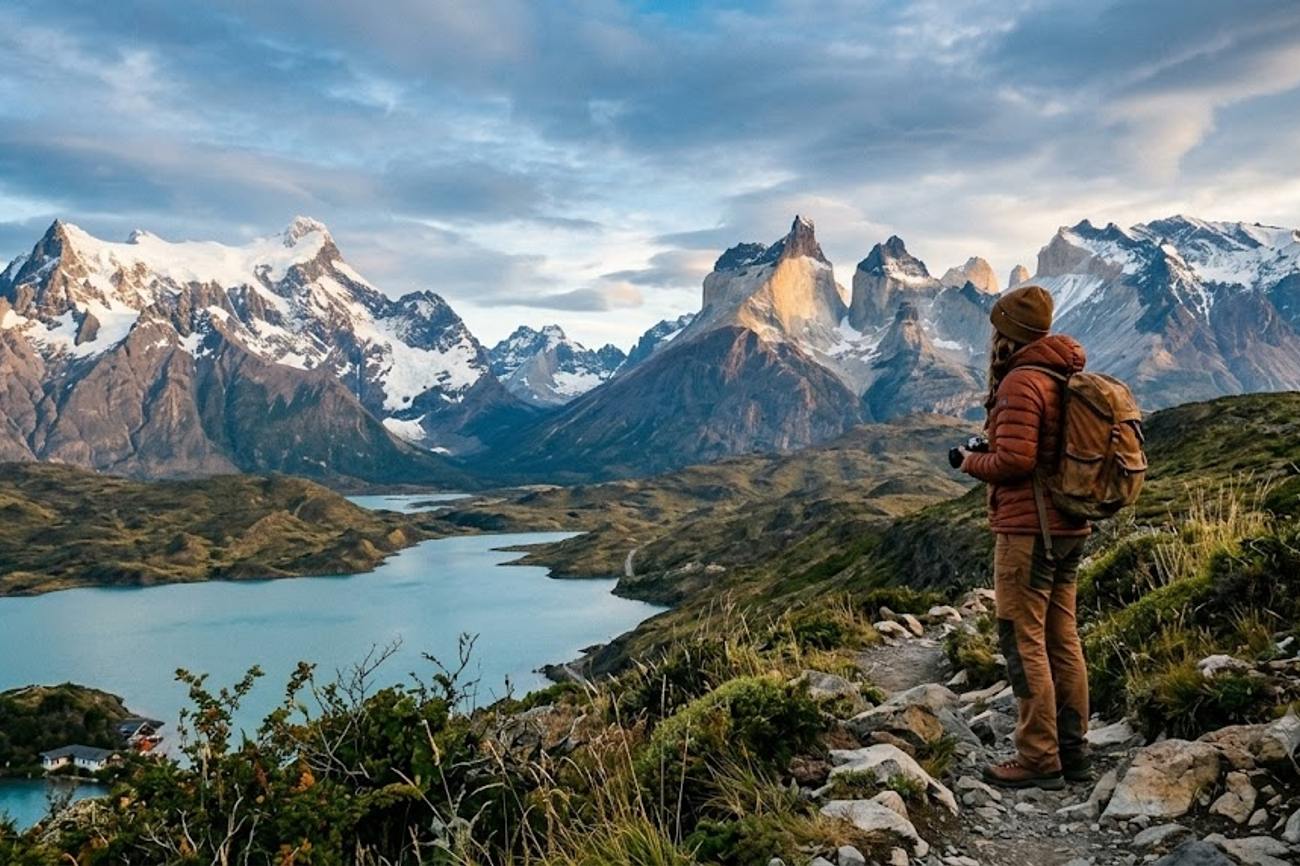
Image generated by AI
Chile: Beyond the Postcard
Chile is currently redefining the gold standard for inclusive travel, integrating high-tech virtual tours and granular accessibility data to ensure the Andes and the Atacama are open to everyone. While many nations claim to be "tourist friendly," the Chilean approach is a systemic overhaul of trip planning, moving away from vague promises toward precise, verifiable information on facilities and support services.
The Digital Shift in Andean Exploration
The current movement in Chilean tourism is not about adding more hotels, but about removing the friction of arrival. Following a blueprint seen in Spain and the UK, Chile is aggressively implementing accessible travel frameworks. This shift is particularly noteworthy because of the country's extreme geography—stretching from the driest desert on earth to glacial fjords.
By deploying virtual tours, the Chilean tourism sector is allowing travelers with mobility challenges or sensory sensitivities to "scout" locations before they ever book a flight. This isn't just a marketing gimmick; it is a strategic effort to provide clear, honest data on whether a remote lodge in Patagonia or a vineyard in the Casablanca Valley actually meets the specific needs of a visitor. This transparency is transforming the planning phase from a guessing game into a precise itinerary, allowing the region to compete with more established accessible hubs in Europe.
What Makes Chile Different
Chile offers a geographic diversity that is almost unmatched globally. To understand the country, you have to understand its verticality. You have the Atacama Desert in the north, where the air is so thin and clear that it serves as the world's premier window to the cosmos. Then, you have the central valley, the heart of the nation's wine production, and finally the rugged, wind-swept south.
What sets the experience apart is the intersection of extreme nature and sophisticated urbanity. Santiago is a metropolis that feels like a gateway, but the true soul of the country lies in the fringes. Whether it is the granite towers of Torres del Paine or the colonial charm of Valparaíso, Chile demands a level of physical and mental preparation that most destinations do not. The current push for accessibility is a recognition that these world-class sites should not be reserved only for the elite hiker or the able-bodied adventurer.
For those interested in the broader regional context of South American travel, the Official Tourism Board of Chile provides updated resources on these new accessibility initiatives.
Visitor Insider Tips
Having spent significant time navigating the various zones of Chile, I have found that the "brochure" way of traveling often misses the actual rhythm of the place.
Timing and Crowds If you are heading to the south for the lakes and volcanoes, avoid the peak January window. Instead, aim for late February or early March. The weather remains stable, but the domestic crowds from Santiago thin out, making the trails in Patagonia far more intimate. In the north, the Atacama is best visited between May and September to avoid the "Altiplanic Winter" rains that can close high-altitude roads.
Local Etiquette and Social Rhythms Chileans are generally formal and polite. When entering a shop or a home, a polite "Buenas tardes" goes a long way. Be aware that dinner times are significantly later than in North America or Northern Europe; don't expect a full restaurant scene before 8:00 PM. In the vineyards, remember that wine is a point of national pride—asking for a local Carmenere (the grape Chile has effectively claimed as its own) shows you have done your homework.
Transport Hacks Within Santiago, the Metro is world-class and far more efficient than taxis. Get a "Bip!" card immediately. For long-haul travel, domestic flights are the only sane way to traverse the country, but for the "slow travel" experience, the buses (especially the luxury "Salón Cama" seats) are surprisingly comfortable and offer a view of the landscape that you miss at 30,000 feet.
Regional Specialties Move beyond the standard empanadas. Try Pastel de Choclo (a corn pie with meat) and Curanto in the south—a traditional feast cooked in a hole in the ground using hot stones. For a drink, skip the generic cocktails and try a Pisco Sour or a Terremoto (Earthquake) if you are feeling brave at a local fair.
Cultural and Environmental Context
Tourism in Chile exists in a delicate balance with some of the most fragile ecosystems on the planet. The push for "accessible travel" is not just about ramps and elevators; it is about managing the human footprint. In places like the Atacama and the southern parks, over-tourism has previously led to soil erosion and waste management crises.
The current strategy involves steering visitors toward a more conscious form of engagement. By using virtual tours to set expectations, the government can better manage the flow of people into protected areas. There is a growing movement toward "regenerative tourism," where the goal is not just to leave no trace, but to actively improve the destination.
Many of the sites visitors frequent are adjacent to indigenous territories, particularly in the north. The interaction between international tourism and the local Atacameño and Mapuche communities is a point of ongoing negotiation. Respecting these ancestral lands—by staying on marked paths and supporting local artisans rather than mass-produced souvenir shops—is the only way to ensure the longevity of the Chilean experience. For those interested in how these sites are preserved globally, the UNESCO World Heritage Centre offers deep insights into the protected monuments and natural sites within the region.
FAQ: Visiting Chile 2026
What is the best time to visit? For the whole country, October to December (Spring) is ideal. You get mild weather in the center, the start of the hiking season in Patagonia, and clear skies in the Atacama without the extreme summer heat.
Do I need a visa? Requirements vary by nationality. US, Canadian, and EU citizens generally do not need a visa for short tourist stays, but always check the current regulations via the Chilean consulate or official government portals before booking.
How do I get there from major hubs? Most international travelers fly into Santiago (SCL). From there, you can use a network of domestic flights (LATAM or Sky Airline) to reach Calama for the Atacama or Punta Arenas/Puerto Natales for the south.
Is it safe for solo travelers? Yes, Chile is generally one of the safest countries in South America. Use common sense in Santiago (avoid flashing expensive jewelry in crowded areas) and always notify your hostel or hotel of your itinerary when hiking solo in remote parks.
Chile is no longer just a destination for the intrepid; it is becoming a sanctuary for the inclusive.
Tags: ChileTravel2026, AtacamaDesert, PatagoniaHiking, AccessibleTourismChile, SantiagoCityGuide, SouthAmericaTravel
Related Travel Guides
Disclaimer
This article is for informational and educational purposes only. It does not constitute legal, financial, or professional advice. While we strive to provide accurate and up-to-date information, travel policies, regulations, and conditions change rapidly. Always verify information with official sources before making travel decisions. Nomad Lawyer makes no representations about the accuracy, reliability, completeness, or suitability of the information provided. Readers should consult qualified professionals for advice specific to their circumstances. The views expressed in this article are those of the author and do not necessarily reflect the views of Nomad Lawyer.
Kunal K Choudhary
Co-Founder & Contributor
A passionate traveller and tech enthusiast. Kunal contributes to the vision and growth of Nomad Lawyer, bringing fresh perspectives and driving the community forward.
Learn more about our team →