
Dubai Recognises 237 Hotels Under Sustainable Tourism Stamp
Dubai's DET recognises 237 hotels in the 3rd DST Stamp cycle, integrating resource efficiency and green operations into the emirate's hospitality sector.

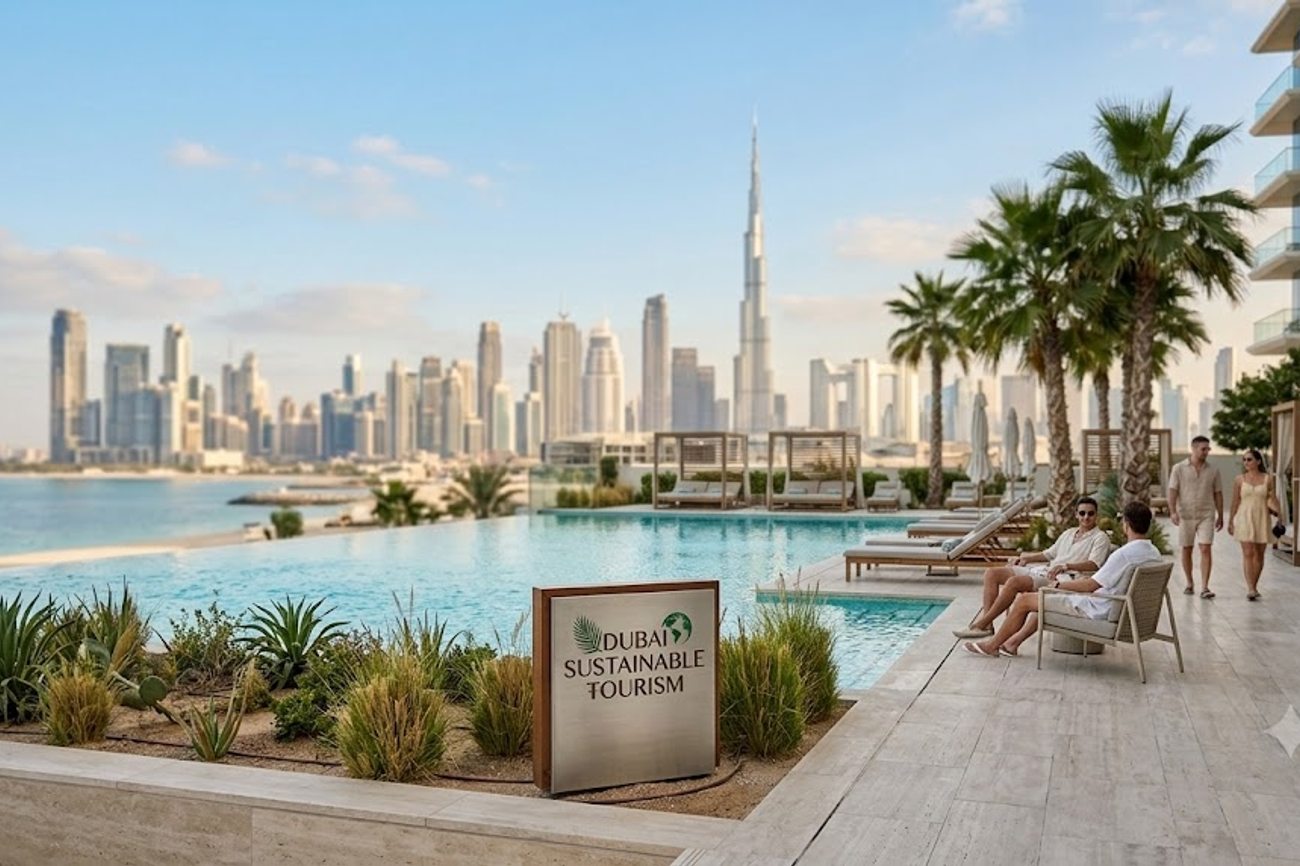
Image generated by AI
The Dubai Department of Economy and Tourism (DET) has expanded its environmental framework by recognising 237 hotels in the third cycle of the Dubai Sustainable Tourism (DST) Stamp. This initiative moves sustainability from a niche corporate responsibility to a core operational requirement for accommodation providers within the emirate.
The DST Stamp serves as a benchmark for hotels to improve resource efficiency, reduce waste, and optimise energy consumption. By integrating these requirements into the wider tourism ecosystem, Dubai aims to decouple tourism growth from environmental degradation. For the visitor economy, this means a higher density of properties adhering to structured environmental management systems.
Operational Framework and Impact
The programme targets the high-impact areas of hotel management: energy, water, and waste. In a high-scale urban destination, incremental efficiency gains across hundreds of properties result in significant cumulative reductions in the city's overall environmental footprint.
The DST Stamp requires hotels to move beyond "green claims" by implementing measurable performance metrics and dedicated sustainability committees. This ensures that environmental goals are managed as business KPIs rather than isolated projects.
DST Stamp Operational Parameters
| Sustainability Area | Hotel Requirement | Impact on Visitor Experience |
|---|---|---|
| Energy Management | Automation and reduction plans | Lower-impact stays via smart energy systems |
| Water Conservation | Responsible usage implementation | Resource preservation in high-demand regions |
| Waste Reduction | Landfill limitation and resource recovery | Cleaner local environments and reduced plastic |
| Staff Training | Mandatory sustainability education | Consistent delivery of eco-friendly services |
| Guest Education | Active guest participation prompts | Direct traveler involvement in footprint reduction |
| Green Events | Sustainable MICE (Meetings, Incentives, Conferences, Exhibitions) | Lower-impact business travel and corporate events |
| Transportation | Sustainable mobility options | Integration of low-carbon transit for guests |
Traveler Logistics Guide
From a ground-level perspective, the best way to navigate Dubai’s evolving green landscape is to use the DST Stamp as a primary filter during the booking process.
Booking and Selection: When selecting accommodation, prioritise hotels carrying the DST Stamp to ensure a baseline of resource efficiency. For business travellers, verify if the property's "Green Events" certification extends to the meeting rooms and catering services provided for corporate functions.
Transit and Mobility: To align your stay with the hotel's sustainability goals, avoid private rentals. Utilise the Dubai Metro and RTA electric taxi fleets. From a logistics standpoint, hotels recognised under the DST Stamp are increasingly integrating sustainable transportation options; inquire at the concierge about electric vehicle (EV) charging availability or shuttle services to transit hubs.
Customs and Digital Entry: Ensure your travel documents are updated via the official UAE government portals. Use digital check-in services where available to reduce paper waste, aligning with the "Sustainable Operations" pillar of the DST framework.
Infrastructure Impact Assessment
The recognition of 237 hotels signals a maturation of Dubai's hospitality infrastructure. By standardising sustainability metrics, the DET is creating a competitive environment where environmental performance becomes a differentiator for luxury and business segments. This shift is critical for maintaining the destination's appeal to international markets that increasingly prioritise ESG (Environmental, Social, and Governance) criteria in their travel decisions.
Related Travel Guides
Disclaimer
This article is for informational and educational purposes only. It does not constitute legal, financial, or professional advice. While we strive to provide accurate and up-to-date information, travel policies, regulations, and conditions change rapidly. Always verify information with official sources before making travel decisions. Nomad Lawyer makes no representations about the accuracy, reliability, completeness, or suitability of the information provided. Readers should consult qualified professionals for advice specific to their circumstances. The views expressed in this article are those of the author and do not necessarily reflect the views of Nomad Lawyer.
Raushan Kumar
Founder & Lead Developer
Full-stack developer with 11+ years of experience and a passionate traveller. Raushan built Nomad Lawyer from the ground up with a vision to create the best travel and law experience on the web.
Learn more about our team →