
UAE Issues July 2026 Travel Advisory for Israel Qatar Iran Bahrain and Kuwait Amid Renewed US-Iran Strikes
The UAE has implemented critical travel advisories for citizens visiting Israel, Qatar, Iran, Bahrain, and Kuwait in July 2026 to mitigate risks from renewed US-Iran military strikes.

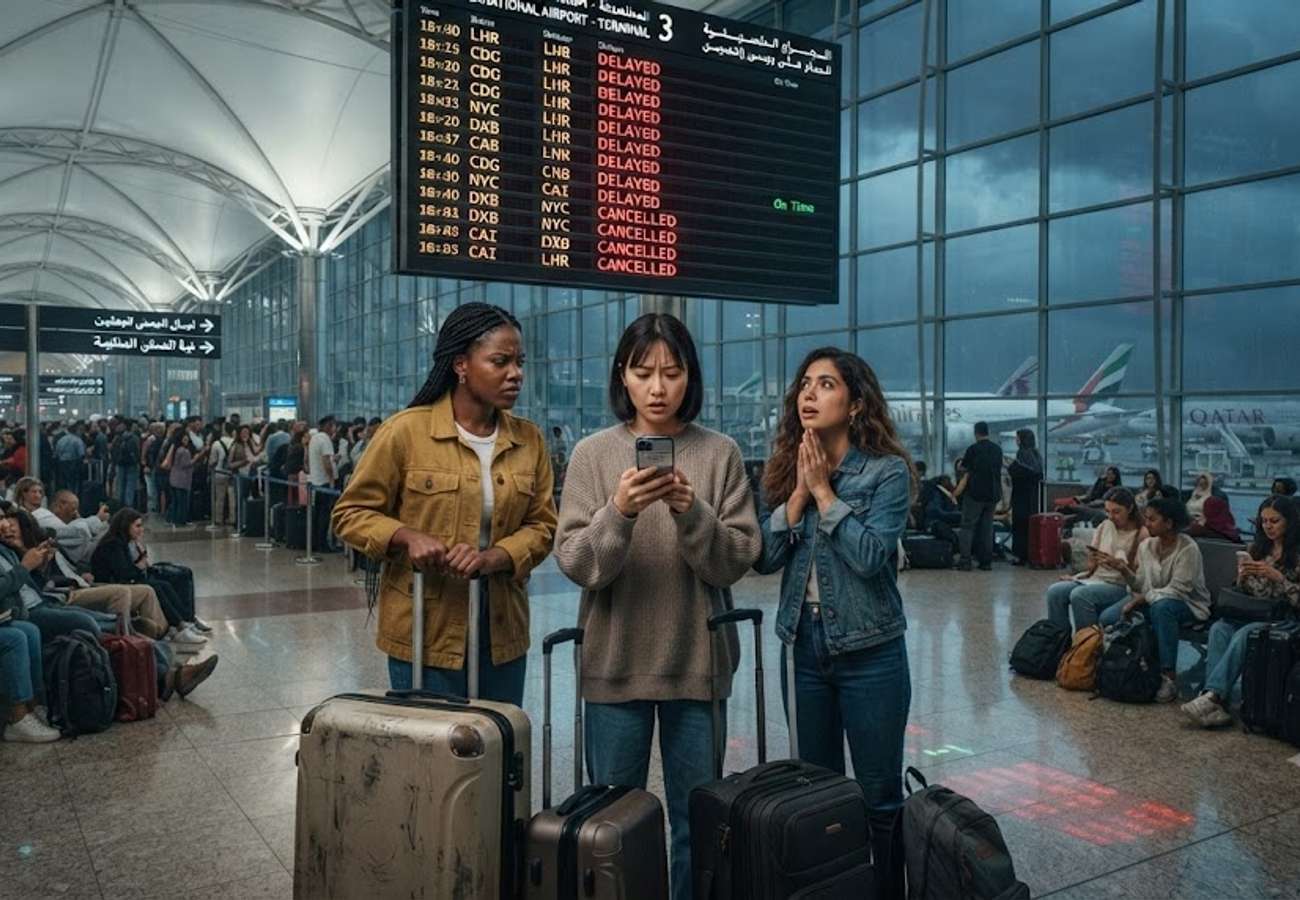
Image generated by AI
The UAE government has intensified its security protocols for citizens traveling across the Middle East in July 2026, citing renewed military strikes between the US and Iran as a primary catalyst for heightened risk.
The Local Trend Revealed
The current geopolitical climate has shifted the UAE’s approach from standard travel guidance to a high-alert awareness framework. Rather than implementing blanket bans on all regional movement, the UAE is utilizing a strategy of "informed mobility." This involves the deployment of real-time emergency communication systems and destination-specific legal briefings to ensure nationals can navigate volatile airspaces and border crossings safely.
The renewed escalation between the United States and Iran has directly impacted one of the world's most critical aviation corridors. Because this region connects Europe, Asia, Africa, and North America, military activity—specifically missile threats and drone deployments—has created a ripple effect on flight routes, airspace availability, and airport operations. Travelers are now facing a higher frequency of schedule adjustments, route changes, and rigorous security screenings.
Cultural & Environmental Value (Information Gain)
This advisory system is anchored by the Twajudi Service, a digital initiative by the Ministry of Foreign Affairs. By registering through Twajudi, UAE citizens create a direct lifeline to official support networks, ensuring that during regional conflicts or natural disasters, the government can provide immediate, localized assistance.
This shift toward digital registration reflects a broader regional trend in the Middle East toward "Smart Diplomacy," where technology is used to protect human capital and maintain citizen safety without completely severing cultural and economic ties with neighboring states.
Visitor Insider Tips
For those navigating these regions in 2026, adherence to local customs and strict legal codes is non-negotiable to avoid detention or fines.
Photography Restrictions In Bahrain, Kuwait, and Israel, photographing military installations, police officers, government buildings, and oil facilities is strictly prohibited. In Kuwait, this extends specifically to embassies and ministries.
Financial Declaration Thresholds Failure to declare currency can lead to immediate seizure of funds.
- Israel: Amounts of 50,000 Israeli Shekels or more must be declared. Note that lower limits apply at specific crossings: Nizana, Erez, Jordan River, Yitzhak Rabin, and Taba. At the Allenby Crossing, the threshold is 2,000 Jordanian Dinars.
- Kuwait: Cash, gold bullion, or valuables exceeding 3,000 Kuwaiti Dinars (or equivalent) must be declared. High-value luxury watches and gold artifacts may require additional official documentation.
Entry Logistics
- Israel: While diplomatic and official passports have visa-free access, regular passport holders must secure approval via ETA-IL.
- Bahrain: UAE citizens enter visa-free, but those driving vehicles must possess a certified power of attorney from the owner or a permit from the UAE Traffic Department.
Prohibited Destinations The UAE has explicitly banned its citizens from traveling to Iran due to the current security climate.
Destination Safety Summary
| Destination | Visa Status (UAE Nationals) | Critical Warning | Currency Declaration Limit |
|---|---|---|---|
| Israel | Visa-free (ETA-IL for regular) | No military photography | 50,000 Israeli Shekels |
| Kuwait | Visa-free | No oil/govt photography | 3,000 Kuwaiti Dinars |
| Bahrain | Visa-free | No police photography | Per local customs law |
| Iran | Banned | High security risk | N/A |
| Qatar | Advisory active | Monitor flight updates | Per local customs law |
Tourism Outlook
The long-term impact of these measures is a move toward more resilient, data-driven travel. As the UAE strengthens its emergency communication infrastructure, the goal is to decouple essential travel and diplomacy from the volatility of regional military strikes. By prioritizing "responsible travel planning," the UAE aims to maintain its status as a global transit hub while ensuring that the safety of its citizens is not compromised by the unpredictable nature of Middle Eastern geopolitics.
Safe travels require more than a passport; they require real-time intelligence.
Related Travel Guides
Disclaimer
This article is for informational and educational purposes only. It does not constitute legal, financial, or professional advice. While we strive to provide accurate and up-to-date information, travel policies, regulations, and conditions change rapidly. Always verify information with official sources before making travel decisions. Nomad Lawyer makes no representations about the accuracy, reliability, completeness, or suitability of the information provided. Readers should consult qualified professionals for advice specific to their circumstances. The views expressed in this article are those of the author and do not necessarily reflect the views of Nomad Lawyer.
Preeti Gunjan
Contributor & Community Manager
A passionate traveller and community builder. Preeti helps grow the Nomad Lawyer community, fostering engagement and bringing the reader experience to life.
Learn more about our team →