
EASA Issues Red-Flag Aviation Warning for UAE, Qatar, Bahrain, and Kuwait Airspace Following US-Iran Escalation 2026
The European Union Aviation Safety Agency (EASA) has issued a high-risk advisory for Gulf airspace, impacting 31 European nations and major carriers due to escalating US-Iran military tensions.

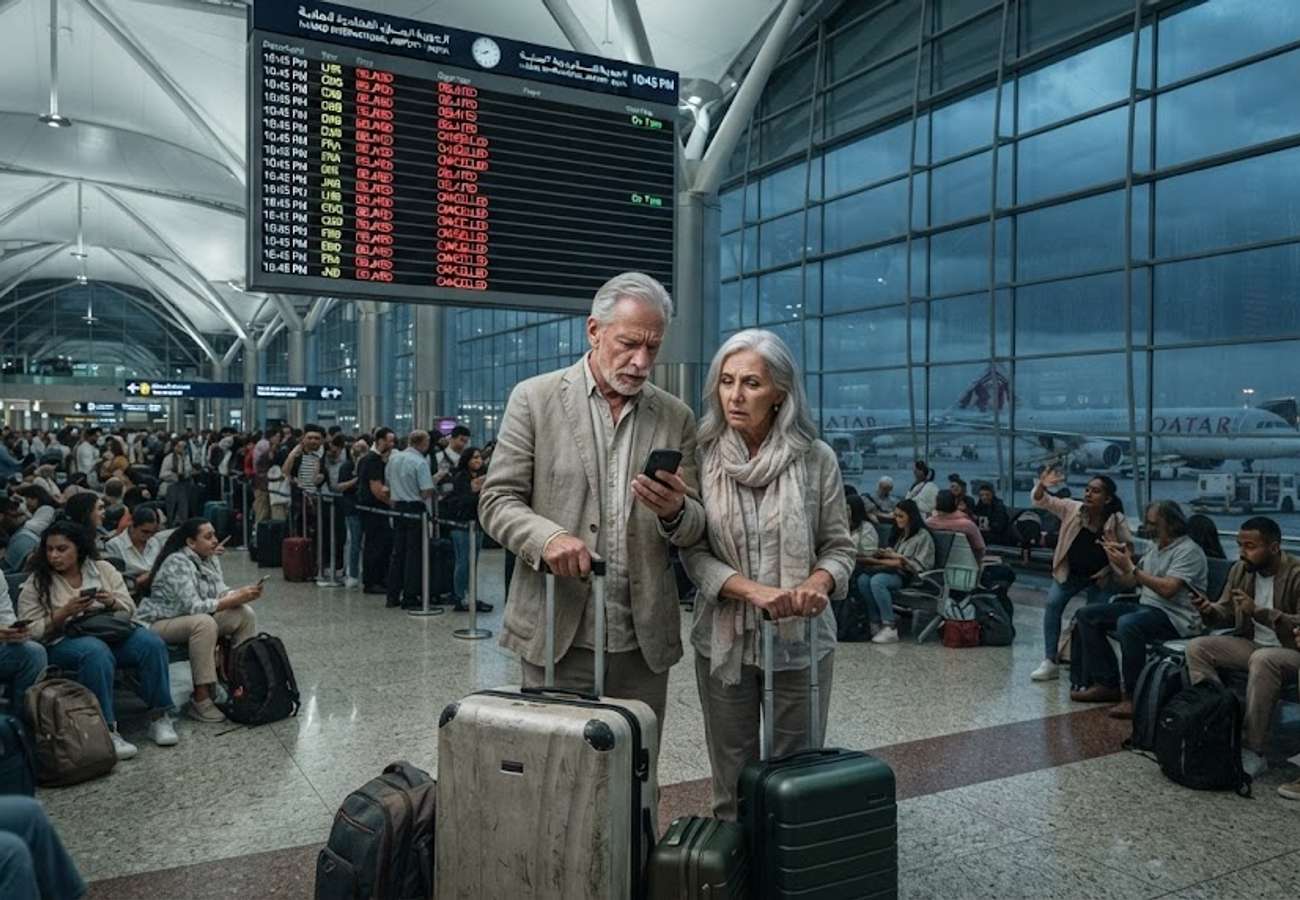
Image generated by AI
The European Union Aviation Safety Agency (EASA) has coordinated 31 European nations to issue a high-risk aviation advisory for the UAE, Qatar, Bahrain, Kuwait, and the Gulf of Oman. The move follows the collapse of a US–Iran ceasefire and an increase in missile and drone activity.
The EASA Conflict Zone Information Bulletin (CZIB-2026-07), released on 14 July 2026, establishes a red-flag warning for critical Middle Eastern transit corridors. The advisory is currently active and set to remain in effect until 29 July 2026, unless regional security conditions stabilize.
This safety framework involves a coalition of 27 EU member states—including Finland, Germany, Italy, Hungary, and Ireland—alongside four EFTA countries: Iceland, Liechtenstein, Norway, and Switzerland. The directive requires airlines operating under European regulations to reassess flight paths and implement rigorous safety planning to mitigate risks associated with military operations.
Regional Airspace Risk Parameters
While the advisory does not mandate the total closure of Gulf airspace, it identifies specific zones where civilian aircraft face heightened risks of misidentification or accidental engagement.
| Affected Region | Primary Risk Factors | Operational Impact |
|---|---|---|
| United Arab Emirates | Drone threats, air defense readiness | Route adjustments, increased fuel burn |
| Qatar | Regional military movements | Longer connection times, potential delays |
| Bahrain | Strategic military proximity | Airspace restrictions, flight plan changes |
| Kuwait | Proximity to active conflict zones | Temporary route diversions, operational instability |
| Gulf of Oman | Missile activity (West of longitude 58°E) | Rerouting of South Asia-bound international flights |
Critical Threat Analysis: Missiles, Drones, and Misidentification
EASA has identified three primary catalysts for the current red-flag status:
- Unmanned Aerial Systems (UAS) and Missiles: The proliferation of long-range missiles and drones in the region creates unpredictable hazards for commercial jets, particularly when operating near active military theaters.
- Military Asset Concentration: The high density of naval and air assets in the Gulf of Oman and the Strait of Hormuz complicates civilian flight corridors.
- Aircraft Misidentification: During periods of heightened military readiness, the risk of "friendly fire" or accidental targeting of civilian aircraft increases due to sensor errors or communication breakdowns.
Traveler Logistics Guide: Navigating Gulf Disruptions
For passengers transiting through major hubs like Dubai International (DXB), Abu Dhabi (AUH), or Hamad International (DOH), the following logistics strategies are recommended:
Booking and Connections
- Buffer Times: Increase layover windows to a minimum of 4–6 hours. Route diversions may cause aircraft to arrive late, risking missed connections for flights heading to Asia or Africa.
- Carrier Selection: Prioritize airlines with robust rerouting protocols. European carriers (Lufthansa, Air France, KLM) are currently adhering to the CZIB-2026-07 guidelines, which may result in longer flight durations but higher safety adherence.
Flight Planning and Documentation
- Real-Time Monitoring: Use flight tracking software to monitor "flight path deviations." If your flight is diverted away from the Gulf of Oman or Kuwaiti airspace, expect an increase in total flight time.
- Digital Transit Policies: Ensure all travel documents are digitized. In the event of sudden airport congestion due to security screenings, digital copies of visas and passports accelerate processing.
Operational Expectations
- Fuel Surcharges: Be aware that longer flight paths increase fuel consumption; some airlines may introduce temporary operational surcharges.
- Schedule Volatility: Check flight status every 6 hours prior to departure, as EASA bulletins can be updated or extended based on real-time military intelligence.
Infrastructure and Regional Impact Assessment
The EASA advisory places significant pressure on the "aviation crossroads" of the world. Because millions of passengers utilize the Gulf as a bridge between the West and the East, any instability here has a ripple effect on global tourism and commerce.
The inclusion of the Muscat Flight Information Region (west of longitude 58°E) is particularly impactful, as it disrupts the primary maritime aviation routes connecting the Gulf to South Asia. This creates a bottleneck that forces aircraft into narrower corridors, potentially increasing air traffic congestion in non-affected zones.
Safety remains the priority as European regulators monitor the volatile US-Iran security dynamic.
Related Travel Guides
Disclaimer
This article is for informational and educational purposes only. It does not constitute legal, financial, or professional advice. While we strive to provide accurate and up-to-date information, travel policies, regulations, and conditions change rapidly. Always verify information with official sources before making travel decisions. Nomad Lawyer makes no representations about the accuracy, reliability, completeness, or suitability of the information provided. Readers should consult qualified professionals for advice specific to their circumstances. The views expressed in this article are those of the author and do not necessarily reflect the views of Nomad Lawyer.
Raushan Kumar
Founder & Lead Developer
Full-stack developer with 11+ years of experience and a passionate traveller. Raushan built Nomad Lawyer from the ground up with a vision to create the best travel and law experience on the web.
Learn more about our team →