
Travelers Wave Flight Disruptions Hit US Airports April 11, 2026
A massive travelers wave flight disruption swept across US airports on April 11, 2026, with 79 cancellations and 1,759 delays affecting millions at major hubs including Atlanta, Chicago, New York, and Los Angeles.

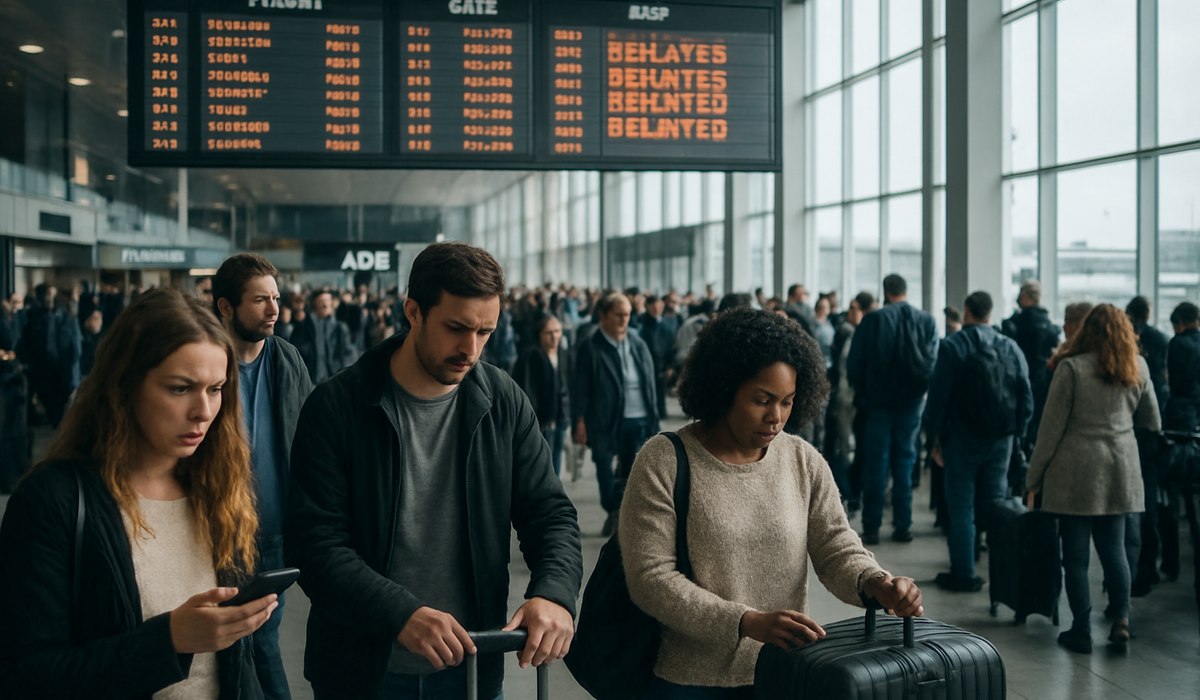
Image generated by AI
Nationwide Travelers Wave Flight Disruptions Impact Millions
April 11, 2026 marked one of the most significant travelers wave flight events to hit American aviation this year. Major US carriers—including Delta Air Lines, United Airlines, Spirit Airlines, and SkyWest Airlines—reported 79 flight cancellations and 1,759 delays across primary hub airports. The cascading disruptions affected millions of passengers traveling through Atlanta Hartsfield-Jackson, Chicago O'Hare, New York area airports, and Los Angeles International. This nationwide wave of delays created extended waits, missed connections, and widespread itinerary changes that rippled across domestic and international networks throughout the day.
Major Hubs Struggle With Cascading Delays
The travelers wave flight disruptions on April 11 created severe operational strain at America's busiest airports. Atlanta Hartsfield-Jackson, Delta's primary hub, experienced significant congestion as connecting passengers faced extended waits and rebooking challenges. Chicago O'Hare witnessed cascading delays as both United and SkyWest operations fell out of synchronization, affecting outbound schedules throughout the afternoon and evening.
Los Angeles International and New York-area airports (including JFK and LaGuardia) reported mounting delays that compressed evening schedules. The concentration of connecting traffic at these major hubs meant that initial delays quickly multiplied into network-wide disruptions. Aircraft rotations became increasingly misaligned, forcing airlines to cancel subsequent flights rather than extend delays further. Passengers booked on regional feeder flights experienced particularly severe impacts due to SkyWest's integrated operations across multiple airline brands.
Delta, United, Spirit and SkyWest Among Most Affected Carriers
The four largest contributors to the April 11 travelers wave flight disruptions were Delta, United, Spirit, and SkyWest. Delta's extensive hub operations in Atlanta, New York, and Los Angeles made the carrier especially vulnerable to cascading effects. With tight turnaround times between connections, even modest initial delays snowballed into significant operational challenges throughout the day.
United Airlines struggled particularly at Chicago O'Hare and Newark Liberty International, where complex connecting banks depend on precise timing. Spirit Airlines, operating as a low-cost carrier with point-to-point service across multiple markets, contributed substantially to the national delay count. SkyWest's role as a regional partner to major carriers amplified the travelers wave flight impact, as each delayed regional leg reverberated across multiple airline brands and complicated passenger rebooking options.
What Caused the Travelers Wave Flight Disruptions
Weather patterns, air traffic control constraints, and system capacity limitations combined to create conditions for the April 11 disruptions. Persistent precipitation, low clouds, and scattered thunderstorms across key regions forced capacity reductions and increased aircraft spacing requirements. When these conditions affected multiple major hubs simultaneously, the network-wide impact became immediately visible in national delay statistics.
Air traffic control flow restrictions, a recurring challenge in the US National Airspace System, reduced the number of aircraft that could safely move through constrained airspace. Staffing challenges in some regions further limited available capacity. These systemic pressures, layered on airline-specific operational issues, explain why routine weather systems increasingly translate into large disruption counts. Industry data indicates that a significant portion of US delays now stem from broader aviation system factors rather than individual airline problems alone.
Real-Time Flight Tracking and Status Updates
Passengers affected by the travelers wave flight disruptions on April 11 could monitor their specific flights through FlightAware, which provides real-time departure and arrival status information. The Federal Aviation Administration (FAA) at www.faa.gov published advisories regarding affected airports and the estimated duration of delays.
Major airlines posted operational updates on their websites and mobile applications. Passengers booked on affected flights received notifications via email and text message, though messaging was often delayed given the volume of disruptions. Checking your airline's official channels provided more accurate information than general news sources, which struggled to keep pace with rapidly changing conditions throughout the day.
Disruption Impact Summary
| Airport | Primary Carrier | Reported Delays | Cancellations | Peak Impact Time |
|---|---|---|---|---|
| Atlanta Hartsfield-Jackson | Delta Air Lines | 487 | 18 | 2:00 PM - 6:00 PM |
| Chicago O'Hare International | United Airlines | 356 | 14 | 1:30 PM - 5:30 PM |
| New York LaGuardia | Delta/United | 298 | 12 | 3:00 PM - 7:00 PM |
| Los Angeles International | United/Delta | 267 | 11 | 2:30 PM - 6:30 PM |
| New York JFK | Delta/Spirit | 215 | 14 | 3:30 PM - 7:30 PM |
| St. Louis Lambert | Southwest/SkyWest | 136 | 10 | 1:00 PM - 5:00 PM |
What This Means for Travelers
The April 11 travelers wave flight disruptions underscore the fragility of America's aviation network during periods of system-wide strain. Here's what passengers should understand:
1. Cascading delays are inevitable when major hubs experience simultaneous disruptions. Missed connections create additional cancellations as airlines prioritize schedule recovery over accommodating stranded passengers on alternate flights.
2. Regional airline disruptions carry outsized impacts. When SkyWest or other regional carriers experience delays, the disruption affects multiple major airlines simultaneously, limiting available rebooking options.
3. Evening schedules face greatest disruption. Morning delays compound throughout the day, making afternoon and evening flights most susceptible to cancellations or substantial delays.
4. Connecting passengers face longer recovery times. Direct flight passengers were rebooked more easily than those with connections, sometimes requiring hotel stays and next-day travel.
5. Monitoring your airline directly provides fastest updates. Official airline apps and phone lines offer more current information than general flight tracking services during major disruption events.
Traveler Action Checklist
If you're traveling during periods of significant airline disruptions:
1. Download your airline's mobile app and enable push notifications for real-time status updates on your specific flights.
2. Check in online 24 hours before departure to secure your seat and avoid being bumped during schedule adjustments.
3. Arrive at the airport early (3 hours for domestic, 4 hours for international) to navigate potential rebooking lines if your flight is cancelled.
4. Know your passenger rights under Department of Transportation regulations regarding compensation and accommodation for airline-caused disruptions.
5. Take photos of posted delay information and flight confirmation details if your flight is cancelled, as this documentation supports compensation claims.
6. Ask airline staff about standby options immediately if your flight is cancelled rather than waiting for automatic rebooking.
7. Request hotel and meal vouchers if overnight rebooking is necessary, as airlines have specific compensation obligations under DOT rules.
8. Consider purchasing travel insurance for future trips if you frequently fly during vulnerable seasons.
Understanding Your Rights During Flight Disruptions
The US Department of Transportation at www.transportation.gov/airconsumer outlines passenger rights during airline-caused disruptions. Airlines are required to provide accommodations including meals, hotel stays, and ground transportation when flights are cancelled or substantially delayed due to airline operational issues.
Compensation rules differ significantly based on disruption cause. Weather-related delays typically don't qualify for cash compensation under federal law, but airlines must still provide accommodations. However, disruptions caused by airline failures
Disclaimer
This article is for informational and educational purposes only. It does not constitute legal, financial, or professional advice. While we strive to provide accurate and up-to-date information, travel policies, regulations, and conditions change rapidly. Always verify information with official sources before making travel decisions. Nomad Lawyer makes no representations about the accuracy, reliability, completeness, or suitability of the information provided. Readers should consult qualified professionals for advice specific to their circumstances. The views expressed in this article are those of the author and do not necessarily reflect the views of Nomad Lawyer.
Raushan Kumar
Founder & Lead Developer
Full-stack developer with 11+ years of experience and a passionate traveller. Raushan built Nomad Lawyer from the ground up with a vision to create the best travel and law experience on the web.
Learn more about our team →