
NCAA Warns Nigerian Travelers of Rainy Season Flight Disruptions Ahead
Nigeria's Civil Aviation Authority issues renewed warnings as rainy season intensifies, with widespread flight delays and cancellations expected across domestic routes through 2026.

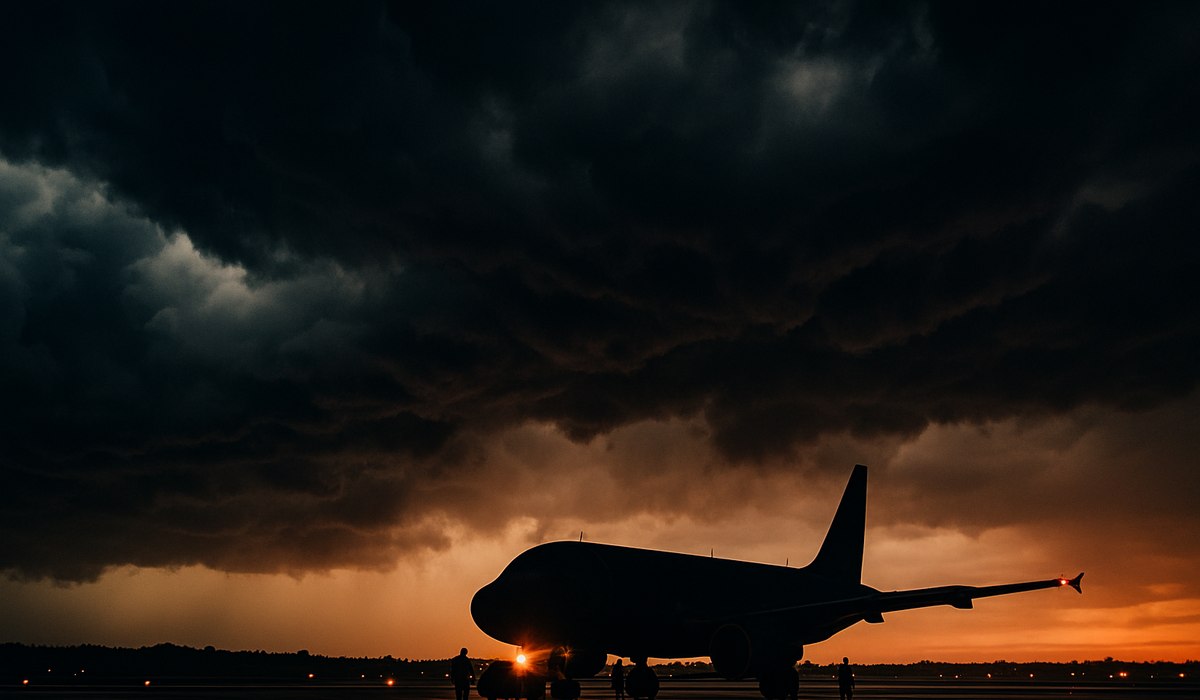
Image generated by AI
NCAA Warns Nigerian Travelers as Rainy Season Intensifies
Nigeria's Civil Aviation Authority (NCAA) is renewing urgent warnings about widespread flight disruptions as the country enters peak rainy season. Travelers heading to major hubs—including Lagos, Abuja, and Port Harcourt—should prepare for frequent delays and cancellations through September 2026. The NCAA emphasizes that thunderstorms, wind shear, poor visibility, and low cloud formations will force operational challenges across Nigeria's busy domestic network during this volatile weather period.
The regulator's latest advisory comes after 2024 and 2025 saw thousands of flight disruptions linked directly to seasonal weather patterns. Safety remains the NCAA's priority, meaning on-time performance takes a backseat when dangerous conditions develop near airports.
NCAA Renews Rainy Season Flight Warnings
The NCAA warns Nigerian airlines and passengers annually about rainy season risks, but 2026's advisory carries renewed emphasis following years of public frustration. The rainy season timeline varies significantly across Nigeria's geography: coastal southern regions experience rain starting in March, central areas from April-May, and northern zones as late as June-July. This extended instability creates months of unpredictable conditions for pilots, air traffic controllers, and ground crews.
According to published NCAA guidance, adverse weather can trigger immediate ground stops, flight diversions, and extended tarmac waits without warning. Airlines must prioritize safety protocols over schedule adherence, meaning last-minute cancellations and rebookings become routine during severe storms. Regulators have stressed through official channels that this represents standard operational procedure rather than an emergency response.
Weather Patterns and Regional Timeline for 2026
Nigeria's rainy season unfolds in distinct regional waves, affecting flight corridors differently throughout the half-year period. The southwestern coast experiences heavier precipitation beginning in March, with Lagos's Murtala Muhammed International Airport (LOS) facing its most challenging conditions from May through September. Central regions including Abuja's Nnamdi Azikiwe International Airport (ABV) see peak disruption from April through August. Northern routes remain relatively stable until June but intensify significantly through August.
This staggered timeline means travelers should adjust expectations based on specific origin and destination cities. A flight from Kano to Lagos in early April faces lower weather risk than the same route in July. The NCAA's data-driven approach to seasonal warnings helps airlines and passengers understand regional vulnerability windows, allowing for better planning and contingency arrangements.
Expected Operational Disruptions at Major Hub Airports
Lagos, Abuja, and Port Harcourt airports handle Nigeria's highest passenger volumes and face the severest weather impacts. NCAA warns Nigerian airlines operating these routes should expect significant operational strain. In 2024 and 2025, these three hubs accounted for the majority of documented delays and cancellations during rainy months.
Historical data shows that September and October present particularly acute challenges, with visibility-reducing thunderstorms creating cascading delays across the network. When a single flight delays due to weather, subsequent services experience knock-on effects as aircraft and crews become unavailable for scheduled departures. Ground handling congestion intensifies when multiple flights queue simultaneously during storm clearances. Airport terminals become crowded as passengers await rebooking, creating both safety and comfort concerns that passenger advocates continue monitoring.
Safety Takes Priority Over Schedule Compliance
The NCAA's core position remains unambiguous: flight safety supersedes on-time performance during adverse weather. Pilots retain absolute authority to delay departure, divert en route, or abort landing approaches when thunderstorms, wind shear, or visibility conditions exceed safe operating parameters. This regulatory framework protects passengers but necessarily increases cancellations and delays during rainy season months.
Airlines operating domestic routes must maintain this safety-first culture despite commercial pressures to maintain schedules. The NCAA conducts regular safety audits and has authority to impose penalties on operators who compromise weather protocols for schedule adherence. This enforcement mechanism explains why cancellations occur with relative frequency during stormy conditions—regulators actively monitor compliance and hold airlines accountable for unsafe decisions.
Traveler Action Checklist: Prepare for Rainy Season Delays
- Book afternoon and evening flights when possible, as morning departures face higher cancellation risk when overnight storms clear slowly
- Purchase travel insurance covering weather-related disruptions, cancellations, and rebooking expenses before traveling during rainy season
- Check weather forecasts three days before travel and monitor FlightAware for real-time delay patterns at your departure and arrival airports
- Arrive 90 minutes early for domestic flights instead of standard 60 minutes, allowing buffer time for weather-related security delays
- Confirm flights 24 hours before departure via airline contact and ask explicitly about weather forecasts for your specific route
- Pack essential items in carry-on luggage in case checked bags miss connections due to aircraft diversions or delays
- Download airline and airport apps for push notifications about weather-related changes, gate reassignments, and rebooking options
- Know your passenger rights under Nigerian Civil Aviation Authority regulations regarding meal vouchers, accommodation, and compensation for weather-related cancellations
Key Data: Rainy Season Disruptions in Nigeria's Domestic Aviation
| Metric | 2024 Performance | 2025 Performance | 2026 Projection |
|---|---|---|---|
| Total Domestic Flight Disruptions | 34,000+ | Data incomplete | Expected to exceed 35,000 |
| September-October 2024 Delays | 5,000 reported | N/A | Peak season months |
| September-October 2024 Cancellations | ~900 reported | N/A | Higher weather sensitivity |
| Q3 2025 Delays/Cancellations | 845 flights affected | 13 carriers involved | Multi-carrier network exposure |
| Primary Cause | Weather + maintenance | Adverse weather recurring | Rainy season atmospheric instability |
| Affected Hub Airports | LOS, ABV, PHC | LOS, ABV, PHC, KAN | LOS, ABV, PHC priority |
What This Means for Travelers in 2026
The NCAA warns Nigerian travelers should fundamentally adjust expectations when booking domestic flights during rainy season. Rather than viewing delays and cancellations as exceptional occurrences, passengers should treat them as statistically probable outcomes. This mindset shift helps travelers plan buffer time between connections, avoid booking critical meetings or events on domestic flight arrival times, and maintain emotional resilience when unexpected schedule changes occur.
Practical implications include booking return flights no earlier than 48 hours after arrival, arranging accommodation flexibility that allows multi-day stays without penalty, and maintaining contact with airlines to understand rebooking options before disruptions cascade. Business travelers should consider virtual meeting attendance as backup plans for weather-delayed arrivals. Leisure travelers can embrace flexible itineraries that accommodate unexpected extra days in transit cities. Understanding that rainy season travel involves operational uncertainty allows passengers to mitigate financial and logistical damage when disruptions inevitably occur.
Frequently Asked Questions: Rainy Season Travel to Nigeria
Q: What months constitute Nigeria's rainy season for domestic flight planning? A: Rainy season varies regionally. Coastal southern areas begin experiencing significant rainfall in March, central Nigeria from April-May onward, and northern regions from June-July through September. Peak disruption occurs May through September across most routes, with July-August presenting maximum weather risk nationally.
Q: Can airlines provide compensation for weather-related flight cancellations? A: NCAA regulations distinguish between weather-related cancellations (considered force majeure events) and operational disruptions caused by airline maintenance or staffing issues. Weather cancellations typically don't trigger monetary compensation, though airlines must rebook passengers on alternative flights or refund tickets. Check specific airline policies and travel insurance coverage.
**Q: How far
Disclaimer
This article is for informational and educational purposes only. It does not constitute legal, financial, or professional advice. While we strive to provide accurate and up-to-date information, travel policies, regulations, and conditions change rapidly. Always verify information with official sources before making travel decisions. Nomad Lawyer makes no representations about the accuracy, reliability, completeness, or suitability of the information provided. Readers should consult qualified professionals for advice specific to their circumstances. The views expressed in this article are those of the author and do not necessarily reflect the views of Nomad Lawyer.
Preeti Gunjan
Contributor & Community Manager
A passionate traveller and community builder. Preeti helps grow the Nomad Lawyer community, fostering engagement and bringing the reader experience to life.
Learn more about our team →