
United Airlines Retires New Boeing 787-9 Dreamliner After Inaugural Long-Haul Service
Breaking airline news and aviation industry updates for 2026.

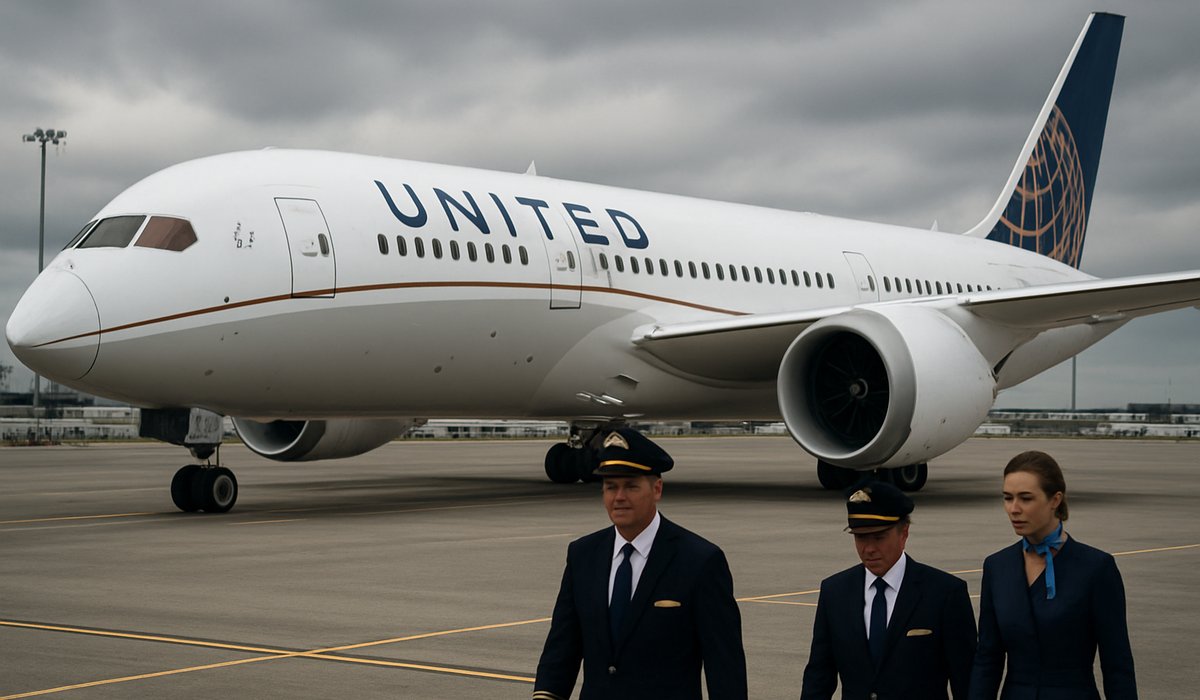
Image generated by AI
United Airlines Retires New Boeing 787-9 Dreamliner After Inaugural Long-Haul Service
The carrier's premium aircraft deployment faces unexpected setback as mechanical issues force immediate operational suspension
United Airlines has made the unexpected decision to ground its newly acquired Boeing 787-9 Dreamliner indefinitely following critical complications detected during its maiden long-haul flight, marking a significant disruption to the carrier's international expansion strategy and raising fresh concerns about aircraft reliability in an increasingly pressured aviation sector.
Aircraft Pulled from Service After Debut Flight
The wide-body jet, configured to serve United's premium long-distance routes, completed its first extended operation before engineers identified mechanical deficiencies serious enough to warrant immediate grounding. The carrier has not specified a timeline for the aircraft's return to active service, dealing a blow to scheduling plans that relied on the new capacity for profitable transoceanic operations.
The development underscores mounting challenges facing major U.S. carriers as they navigate supply chain disruptions, manufacturing delays, and mounting pressure to modernize aging fleets while controlling operational costs. The aerospace industry continues grappling with production bottlenecks that have constrained aircraft deliveries across the sector for the past several years.
Broader Industry Context
The incident arrives amid heightened scrutiny of aviation safety protocols and manufacturing quality control. United, like its competitors American Airlines and Delta Air Lines, has aggressively pursued fleet modernization to replace older, fuel-inefficient aircraft with newer generation models designed to reduce jet fuel consumption and associated operational expenses.
Modern wide-body aircraft like the 787-9 offer significant advantages for carriers seeking to optimize routes, reduce airline baggage fees through improved cargo capacity, and enhance passenger experience on premium international flights—a critical revenue stream for major carriers competing on transatlantic and transpacific routes.
Financial and Operational Implications
The grounding removes a premium-configured aircraft from United's network precisely when international travel demand remains robust and jet fuel price volatility continues pressuring margins across the aviation industry. Carriers have relied on premium seating and ancillary revenue—including baggage charges and seat selection fees—to offset fuel cost fluctuations and maintain profitability on competitive routes.
United has not released formal statements regarding passenger accommodation, route adjustments, or financial impact from the suspension. Industry analysts anticipate the carrier will redistribute scheduling across its existing 787 fleet while investigating the mechanical issue.
The situation reflects broader vulnerabilities within commercial aviation's supply chain recovery, where every aircraft grounding carries outsized consequences for network planning and revenue optimization in an industry operating with historically thin margins.
FAQ Section
Q: How do aircraft mechanical issues impact airline baggage fees and ticket pricing? A: Groundings reduce available capacity, forcing carriers to consolidate flights or deploy smaller aircraft, reducing baggage allowances and ancillary revenue opportunities while potentially increasing per-seat operational costs.
Q: What does the 787-9 grounding mean for United's international route expansion? A: Significant delays are likely, with United forced to rely on existing equipment for transoceanic service until the aircraft returns—potentially affecting route launches and competitive positioning versus American and Delta.
Q: How have jet fuel prices influenced the urgency of fleet modernization? A: Volatile jet fuel markets have accelerated carrier investments in fuel-efficient aircraft like the 787-9, making each grounding costlier given competitive pressure to reduce operating expenses.
Q: Are Boeing 787 reliability issues widespread across the aviation industry? A: While isolated incidents occur, systematic quality concerns would signal broader manufacturing deficiencies affecting multiple carriers operating the platform.
Q: What recourse does United have with Boeing regarding the grounding? A: Carriers typically pursue manufacturer support through warranty provisions and operational credit arrangements when new aircraft encounter early-service defects.
Related Travel Guides
Flight Delay Compensation Guide 2026
Understanding Airline Route Changes
Airport Security Process Updated (2026)
External Resources
Disclaimer
This article is for informational and educational purposes only. It does not constitute legal, financial, or professional advice. While we strive to provide accurate and up-to-date information, travel policies, regulations, and conditions change rapidly. Always verify information with official sources before making travel decisions. Nomad Lawyer makes no representations about the accuracy, reliability, completeness, or suitability of the information provided. Readers should consult qualified professionals for advice specific to their circumstances. The views expressed in this article are those of the author and do not necessarily reflect the views of Nomad Lawyer.
Raushan Kumar
Founder & Lead Developer
Full-stack developer with 11+ years of experience and a passionate traveller. Raushan built Nomad Lawyer from the ground up with a vision to create the best travel and law experience on the web.
Learn more about our team →