
Thailand Unlocks Tremendous Economic Dominance Through Strategic ASEAN Trade and Sustainable Innovation
Thailand Unlocks Tremendous Economic Dominance Through Strategic ASEAN Trade and Sustainable Innovation

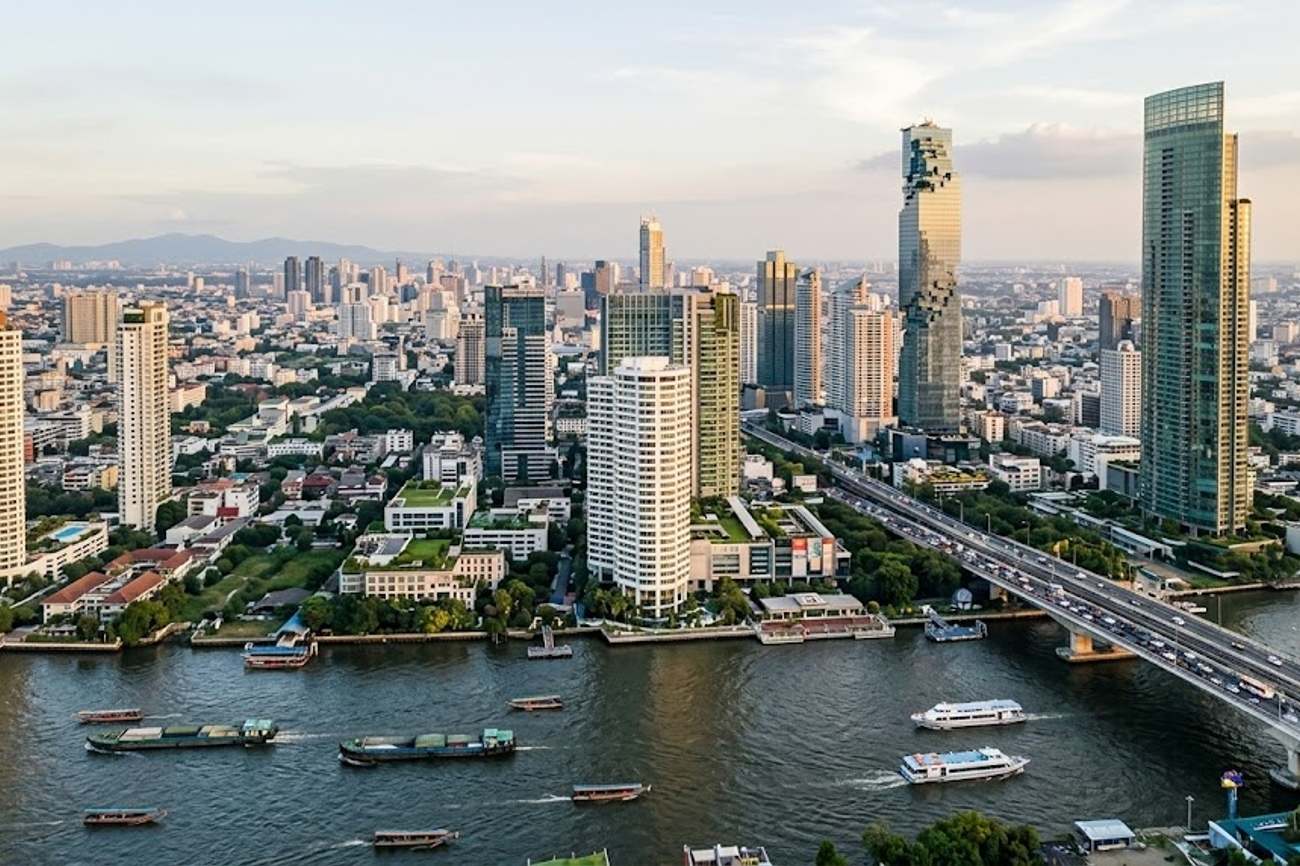
Image generated by AI
Are you planning a business trip to Bangkok to tap into the Southeast Asian food-tech market? Here is how the latest regulatory shifts and trade expansions are changing the logistics of entering Thailand's $50 billion food and beverage sector.
The Thai F&B Industrial Pivot
Thailand has transitioned from a traditional agricultural exporter to a high-tech hub for food and beverage innovation. This shift is driven by a domestic market now valued at over $50 billion, making it the second-largest food consumer market within the ASEAN region. For the traveler and investor, this means the infrastructure in Bangkok and surrounding industrial zones has shifted toward "smart" logistics, focusing on high-value, health-oriented products rather than bulk commodities.
The most significant driver of this change is a systemic move toward preventative health. This is not a niche trend but a mainstream market requirement. Specifically, the industry is seeing a year-over-year growth rate of over 22.5 percent in the low-sugar and sugar-free beverage category. If you are transporting samples or establishing supply chains, you must account for these specific product categories, as they now dominate the investment and consumption patterns of the modern Thai consumer.
Route and Schedule Details
For those coordinating the movement of goods or visiting production sites, the following logistical framework defines the current trade flow within the ASEAN Free Trade Area.
| Route | Frequency | Primary Cargo | Duration | Status |
|---|---|---|---|---|
| Bangkok $\rightarrow$ ASEAN Markets | Daily | Functional Foods/Plant-based | Variable | Active (Tariff-Free) |
| Regional Hubs $\rightarrow$ Bangkok | High | Food-Tech Machinery | 2-5 Days | Active |
| Local Farms $\rightarrow$ BKK Hubs | Continuous | Organic/Sustainable Raw | 1-12 Hours | Optimized |
Traveler Logistics Guide
Navigating the Thai business environment requires a specific approach to customs and ground movement, especially given the new stringent food safety and labeling laws.
1. Customs and Regulatory Compliance If you are bringing product samples into Thailand, be aware that the government has overhauled national standards for food additives and drinking water. You must ensure all samples meet the new, stricter baselines. Furthermore, the "graded sugar tax" is now in full effect. This means beverages are taxed based on the specific volume of sugar per 100 milliliters. If you are importing commercial quantities, calculate your tax liability based on sugar content to avoid delays at customs.
2. Digital Documentation and Entry Thailand is aggressively implementing digital labeling. To streamline your movement and business verification, utilize the Thai Customs portal for pre-clearing shipments. Ensure your products feature QR codes or blockchain-backed traceability, as this is now the standard for transparency and allergen warnings in the Thai market.
3. Ground Transport and Connectivity For those visiting industrial zones outside the city center, avoid relying solely on ride-sharing apps for long-distance site visits. Arrange private transport through your hotel or a corporate provider to ensure reliability. For arrivals, the Suvarnabhumi Airport (BKK) remains the primary gateway for international business travelers, with the Airport Rail Link providing the fastest connection to the central business district.
4. Sustainable Packaging Mandates If you are shipping materials or setting up a pop-up showcase, be advised that single-use plastics are being phased out in favor of biodegradable materials. Non-compliant packaging may face scrutiny or disposal fees at certain venues and trade hubs.
Regional Connectivity Impact
The strategic use of the ASEAN Free Trade Area has turned Thailand into a primary conduit for international commerce. By removing massive tariff barriers, the Thai government has incentivized global brands to use Bangkok as their regional headquarters for Southeast Asia.
This creates a "hub-and-spoke" logistics model. Instead of shipping individual product lines to five different ASEAN countries, companies are now centering their production and distribution in Thailand. This reduces lead times and lowers costs for distribution into neighboring markets. The result is a more streamlined supply chain where Thailand acts as the quality-control and innovation filter before products are pushed into the wider regional market.
For the frequent traveler, this means that Bangkok is no longer just a destination but a critical transit point for regional business. You will find an increase in specialized cold-chain logistics and "green" warehouses designed specifically to handle the plant-based and functional food surges.
FAQ: Thailand Transit & Trade 2026
Do I need a special permit to bring food samples into Thailand? Yes, you must comply with the revised national standards for additives. Ensure your documentation clearly states the sugar content per 100ml to determine the applicable graded sugar tax and avoid customs seizures.
How do the new digital labeling laws affect imports? Products are increasingly required to have QR codes for traceability. While not always mandatory for small samples, commercial shipments without digital transparency data may face longer inspection times.
What is the best way to travel from the airport to industrial zones? Use the Airport Rail Link for the city center, but hire a dedicated corporate driver for trips to the outer industrial hubs to ensure timely arrivals at manufacturing sites.
Are there restrictions on plastic packaging for trade shows? Yes, Thailand is moving toward a circular economy. Biodegradable materials are heavily encouraged, and some venues may restrict or penalize the use of single-use plastics.
Navigate the shift toward sustainable innovation by aligning your logistics with Thailand's new regulatory muscle.
#BangkokTrade2026 #ASEANFreeTrade #ThaiFoodTech #BKKLogistics #SugarTaxThailand #SustainableTransitTH
Related Travel Guides
- United States Aligns with Portugal and More Countries in Same Line as DroneX 2026 Set to Unite 300 Exhibitors and 4,000+ Visitors
- Mexico and Brazil Team Up with United States as Helitech Expo 2026 Sets to Bring Helicopter, Defence and Aviation Technology Leaders Together
- European Arctic Summit Faces Pressure Over EU’s €7.3bn Russian LNG Bill
Disclaimer
This article is for informational and educational purposes only. It does not constitute legal, financial, or professional advice. While we strive to provide accurate and up-to-date information, travel policies, regulations, and conditions change rapidly. Always verify information with official sources before making travel decisions. Nomad Lawyer makes no representations about the accuracy, reliability, completeness, or suitability of the information provided. Readers should consult qualified professionals for advice specific to their circumstances. The views expressed in this article are those of the author and do not necessarily reflect the views of Nomad Lawyer.
Preeti Gunjan
Contributor & Community Manager
A passionate traveller and community builder. Preeti helps grow the Nomad Lawyer community, fostering engagement and bringing the reader experience to life.
Learn more about our team →