
European Arctic Summit Faces Pressure Over EU’s €7.3bn Russian LNG Bill
European Arctic Summit Faces Pressure Over EU’s €7.3bn Russian LNG Bill

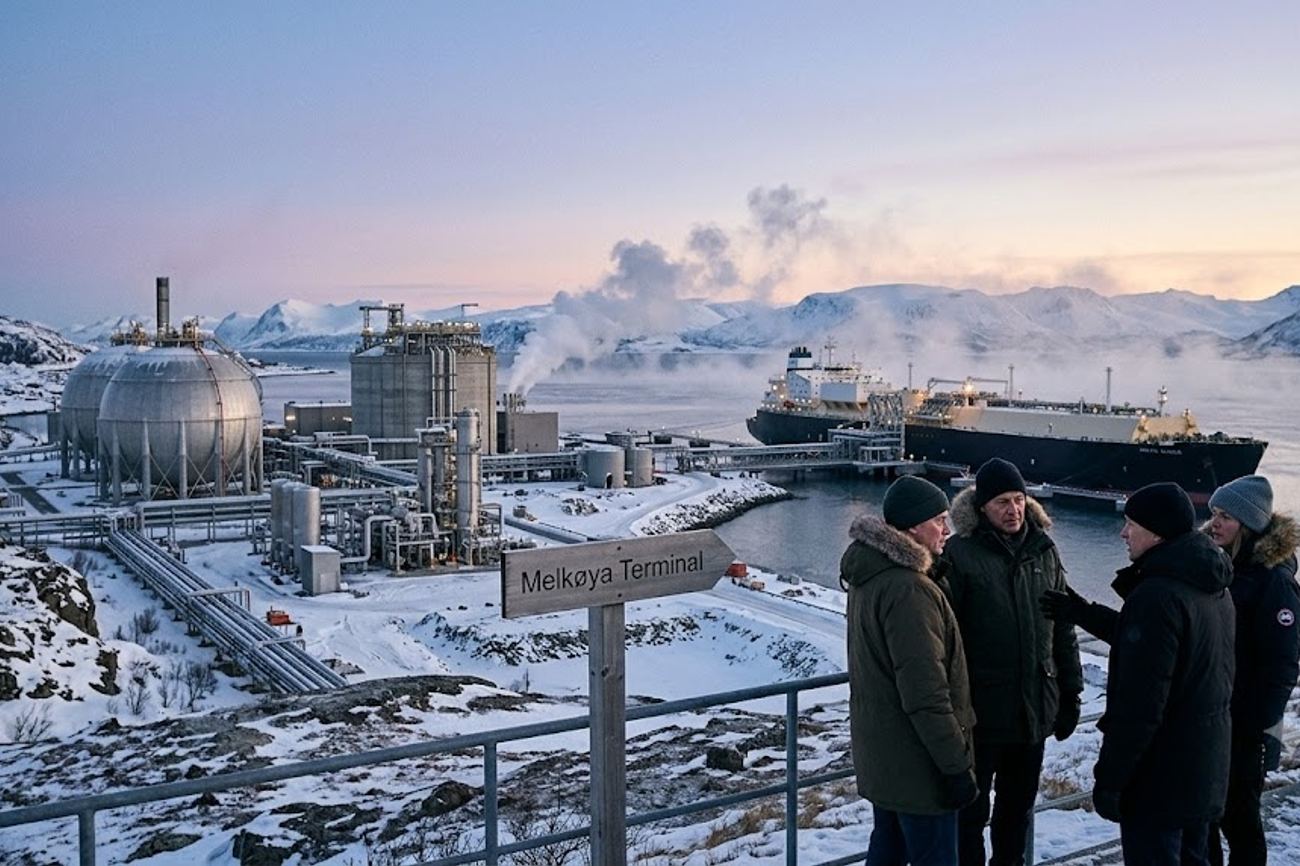
Image generated by AI
EU payments for Russian Yamal LNG reached €7.28 billion by September 5, 2026, already surpassing the total estimated spend of €7.2 billion for the entire previous year. This acceleration in capital flow occurs despite a broader geopolitical push to decouple European energy grids from Russian influence, signaling a stark divergence between stated security goals and actual market procurement.
The Yamal LNG Surge in Numbers
The data emerging from the first eight months of 2026 reveals a paradoxical trend: while global demand for Yamal LNG is softening, European absorption is intensifying. Between January and August 2026, EU ports processed approximately 11.39 million tonnes of LNG originating from the Yamal project. This represents a 10.1% increase in volume compared to the same window in 2025.
The most striking metric is the shift in market share. While worldwide exports from the Yamal project actually contracted by 3.1% during this period, Europe’s role as the primary destination grew. The EU now accounts for 88.9% of all Yamal LNG exports, a significant climb from the 78.2% share held during the corresponding period last year. Effectively, nearly nine out of every ten tonnes of gas leaving the Yamal Peninsula are destined for European markets.
This reliance is not merely about the gas itself but the specialized logistics required to move it. The project relies on the Arc7 ice-class tanker fleet, vessels specifically engineered to navigate the extreme sea-ice conditions of the Yamal Peninsula. The continued operation of these vessels within European maritime ecosystems—including port services and shipping infrastructure—creates a systemic dependency that extends beyond simple energy procurement.
Comparative Arctic Energy Flows: 2025 vs. 2026
The following data illustrates the widening gap between global export trends and European import appetite. As noted by industry trackers like OAG and IATA regarding logistics and transport movements, the concentration of specific cargo routes often signals deeper strategic dependencies.
| Metric | 2025 (Estimated/Period) | 2026 (Jan 1 - Aug/Sept) | Variance (%) |
|---|---|---|---|
| Total EU Payments | €7.2 Billion (Full Year) | €7.28 Billion (to Sept 5) | +1.1% (in 8 months) |
| EU Import Volume | 10.35 Million Tonnes* | 11.39 Million Tonnes | +10.1% |
| EU Share of Yamal Exports | 78.2% | 88.9% | +10.7 percentage pts |
| Global Yamal Export Trend | Baseline | -3.1% (Contraction) | -3.1% |
*Derived from the 10.1% increase reported over the 11.39 million tonne figure.
What This Means for Travelers
While this is an energy and security crisis, the ripple effects extend to the high-end expedition and luxury travel sectors operating in the Arctic Circle. The Rovaniemi summit and the surrounding tension over the Arc7 fleet indicate a tightening of maritime regulations and increased security surveillance in the High North.
1. Increased Logistics Volatility in the Arctic: If the EU moves to sanction the Arc7 fleet or the maritime services supporting it, we expect a surge in regulatory scrutiny for all vessels entering specific Arctic corridors. Travelers booking "Icebreaker" cruises or expedition voyages to the North Pole should anticipate more frequent itinerary changes due to shifting geopolitical zones and port access restrictions.
2. Cost Inflation for Arctic Expeditions: The energy dilemma directly impacts the cost of specialized fuel and port fees. As Europe seeks to diversify away from Russian LNG, the cost of maintaining Arctic infrastructure will likely rise. Expect a 10-15% increase in booking costs for luxury Arctic excursions in 2027 as operators pass on higher operational overheads.
3. Booking Window Adjustments: Given the planned EU import ban scheduled for January 1, 2027, the final quarter of 2026 may see erratic maritime activity as Russia attempts to maximize exports before the deadline. For those planning visits to Finnish Lapland or Northern Norway in Q4 2026, booking 12-16 weeks in advance is now essential to secure transport and lodging, as diplomatic summits and security movements often displace civilian travel capacity.
Projection: The 2027 Decoupling Shock
The current trajectory suggests a looming "energy cliff" on January 1, 2027. The EU is currently operating in a state of strategic contradiction: paying record sums (€7.28 billion) to a state it is simultaneously sanctioning. According to data patterns often analyzed by the World Tourism Organization (UNWTO) regarding regional stability, such economic contradictions usually precede sharp policy pivots.
The move toward a total import ban in 2027 will likely force a rapid reconfiguration of the Arctic maritime ecosystem. We project that the "sanctions gap" regarding the Arc7 fleet will be closed by mid-2026 to prevent a last-minute rush of Russian gas into EU ports. This will likely lead to a decrease in Russian-operated vessels in European waters, potentially opening more space for Western expedition fleets but increasing the overall cost of Arctic navigation.
Furthermore, the shift from 78.2% to 88.9% market share indicates that Europe has become the "buyer of last resort" for Yamal LNG. When this pipeline is severed in 2027, the volatility in European energy prices will likely trigger a secondary effect on travel: higher airfares for flights into Northern Europe as fuel surcharges fluctuate.
FAQ: Arctic Energy & Travel Trends 2026
Will Arctic cruise prices increase in 2027? Yes. The combination of the January 1, 2027, import ban and the potential sanctioning of specialized Arctic shipping fleets will increase operational costs for maritime providers, which typically translates to higher ticket prices for travelers.
Is it safe to book travel to Rovaniemi or the High North now? Yes, but flexibility is key. While diplomatic tensions over the €7.28 billion LNG bill are high, they primarily affect industrial shipping. However, summit-related security can cause localized transport delays in Finnish and Norwegian hubs.
Which shipping fleets are affected by these sanctions? The primary focus is the Arc7 ice-class tanker fleet. While these are cargo vessels, the tightening of "maritime services" sanctions may affect the ports and refueling stations that luxury expedition ships also utilize.
Why is the EU still buying Russian gas if they have sanctions? The data shows a gap between geopolitical goals and market reality. LNG remains commercially attractive and essential for short-term energy security, leading to the €7.28 billion spend despite the ongoing conflict.
The Arctic is no longer just a climate frontier; it is now a ledger of geopolitical contradictions.
#YamalLNG #ArcticMaritimeSecurity #EUEnergySanctions #Arc7Fleet #RovaniemiSummit2026 #HighNorthEconomics
Related Travel Guides
Disclaimer
This article is for informational and educational purposes only. It does not constitute legal, financial, or professional advice. While we strive to provide accurate and up-to-date information, travel policies, regulations, and conditions change rapidly. Always verify information with official sources before making travel decisions. Nomad Lawyer makes no representations about the accuracy, reliability, completeness, or suitability of the information provided. Readers should consult qualified professionals for advice specific to their circumstances. The views expressed in this article are those of the author and do not necessarily reflect the views of Nomad Lawyer.
Kunal K Choudhary
Co-Founder & Contributor
A passionate traveller and tech enthusiast. Kunal contributes to the vision and growth of Nomad Lawyer, bringing fresh perspectives and driving the community forward.
Learn more about our team →