
🌍 Your Global Travel News Source
AboutContactPrivacy Policy
Nomad Lawyer
tourism news

Sustainable Wildlife Trekking in Mahale Mountains Lake Tanganyika Tanzania 2026 Guide

An analysis of the shift toward low-impact, high-value conservation trekking in Tanzania's Mahale Mountains and its impact on global sustainable travel standards.

Kunal K Choudhary
By Kunal K Choudhary
3 min read
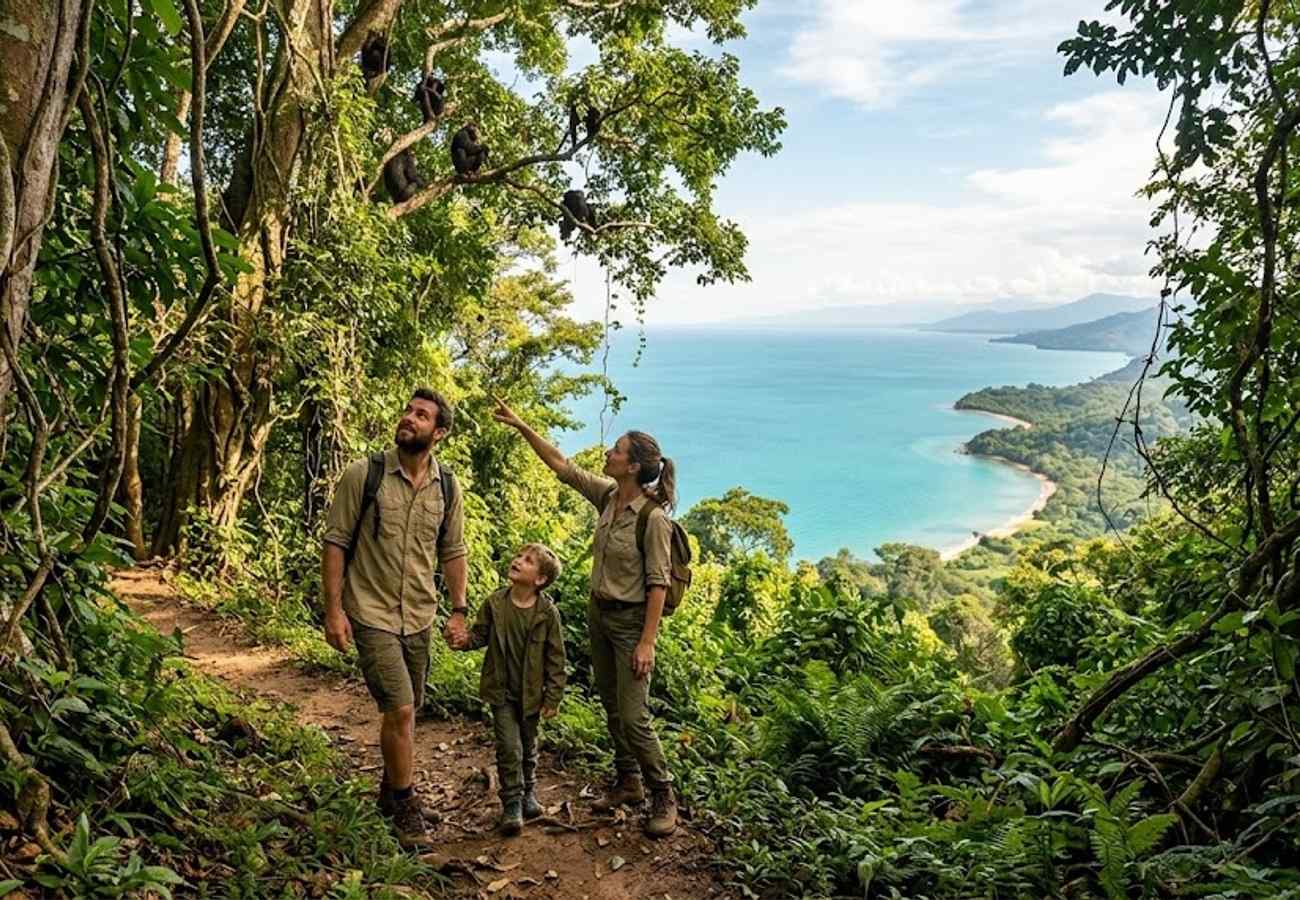
Wild chimpanzees in the rainforest of Mahale Mountains near Lake Tanganyika

Image generated by AI

Headline Options:

  1. Factual/News: Tanzania Implements Low-Impact Wildlife Trekking Models in Mahale Mountains Lake Tanganyika to Set 2026 Global Conservation Standards
  2. Curiosity-Gap (Discover): Beyond the Safari: The Secret Lake Tanganyika Trek Rewriting the Rules of Sustainable Travel
  3. Problem-Solving (Search): How to Visit Mahale Mountains Tanzania: A Guide to Ethical Chimpanzee Trekking and Conservation Permits

The shift toward high-value, low-impact wilderness exploration is fundamentally altering destination management. In the Mahale Mountains of Tanzania, a new operational blueprint is replacing mass tourism with strictly managed conservation sanctuaries.

The Disruption of Traditional Tourism

The travel landscape in Tanzania is seeing a pivot away from high-density sightseeing toward immersive, ethical encounters. Along the shores of Lake Tanganyika, the Mahale Mountains have become a primary case study for "conservation-led trekking."

This model prioritizes the protection of endangered wildlife, specifically wild chimpanzee troops, over visitor volume. By utilizing micro-group tracking, the region maintains a minimal ecological footprint while increasing the emotional and educational value of the experience.

Operational Impact Breakdown

Our analysis of the current management strategy in the Mahale Mountains indicates several key operational shifts:

  • Visitor Capacity: Implementation of strict visitor caps to prevent habitat degradation.
  • Observation Protocols: Use of non-intrusive tracking techniques to ensure wildlife remains undisturbed.
  • Economic Distribution: Revenue models designed to directly fund local ranger support and community development.
  • Group Dynamics: Transition from large tour groups to expert-led micro-groups to minimize human disturbance.

Passenger Rights & Advisory: Navigating Conservation Zones

For the traveler planning a visit to these protected areas, the experience differs significantly from standard commercial tourism. Our analysis of sustainable travel policies suggests the following guidelines for passengers:

Permit and Access Requirements Access to the Mahale Mountains is not open-market. Travelers must secure specific conservation permits. For the passenger, this means booking well in advance through certified operators who adhere to the small-capacity tracking protocols.

Behavioral Compliance Unlike urban tours, these treks are governed by strict environmental codes. Failure to adhere to ranger instructions regarding distance and noise levels can result in immediate removal from the trek without a refund, as the priority is wildlife health over guest satisfaction.

Financial Contributions A significant portion of the trek cost is allocated to habitat defense and ranger employment. Travelers should verify that their operator provides a transparent breakdown of conservation fees, ensuring funds reach the local ecosystem.

Industry Analyst View

The "Mahale Model" is creating a ripple effect across other fragile biomes, including the Amazon Rainforest and Southeast Asian coastal reserves. We are observing a global trend where "luxury" is being redefined. It is no longer about lavish amenities but about the exclusivity of authenticity and the privilege of witnessing nature on its own terms.

By abandoning high-density models, regional authorities are effectively safeguarding native species against human disturbance. This shift suggests that the future of high-end exploration lies in "stewardship tourism," where the traveler is converted from a consumer into a lifelong advocate for global conservation.

True luxury in 2026 is the silence of a protected forest and the rare sight of a wild species undisturbed.

Related Travel Guides

Disclaimer

This article is for informational and educational purposes only. It does not constitute legal, financial, or professional advice. While we strive to provide accurate and up-to-date information, travel policies, regulations, and conditions change rapidly. Always verify information with official sources before making travel decisions. Nomad Lawyer makes no representations about the accuracy, reliability, completeness, or suitability of the information provided. Readers should consult qualified professionals for advice specific to their circumstances. The views expressed in this article are those of the author and do not necessarily reflect the views of Nomad Lawyer.

Tags:sustainable travelTanzania wildlifeMahale Mountainsconservation tourism
Kunal K Choudhary

Kunal K Choudhary

Co-Founder & Contributor

A passionate traveller and tech enthusiast. Kunal contributes to the vision and growth of Nomad Lawyer, bringing fresh perspectives and driving the community forward.

Follow:
Learn more about our team →