
Strait of Hormuz Blockade Triggers Global Oil Shock as Saudi Arabia, UAE and Qatar Energy Crisis Destabilizes Western Aviation hubs; Massive Delays at LAX, Heathrow, CDG and JFK as United, Delta and Air France Face Billion-Dollar Fallout in May 2026
A strategic blockade of the Strait of Hormuz has ignited a global energy crisis, sending oil prices to record highs. As Saudi Arabia, the UAE, and Qatar face export disruptions, major hubs like LAX, Heathrow, and JFK experience massive delays and cancellations during the 2026 oil shock.

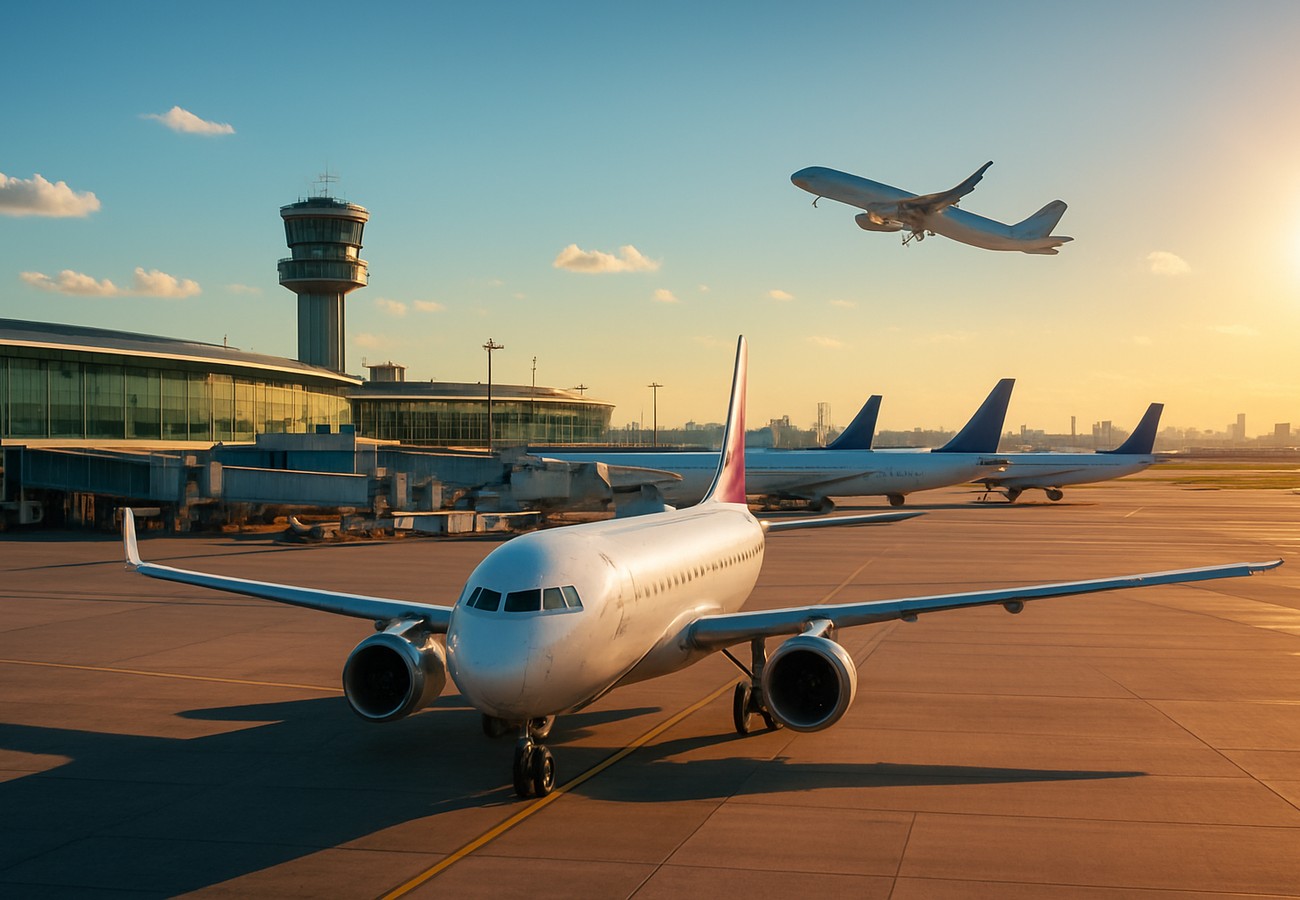
Image generated by AI
A global energy crisis of historic magnitude has erupted following the strategic blockade of the Strait of Hormuz, triggering an immediate oil price shock that has paralyzed the world’s most critical aviation hubs. As the United States, Iran, and Gulf Cooperation Council (GCC) nations including Saudi Arabia, the UAE, and Qatar move to the brink of military conflict, the Western aviation sector has entered a state of high-alert. Today, May 10, 2026, a total of thousands of flight delays have been recorded across the "Big Four" international gateways: Los Angeles (LAX), London Heathrow (LHR), Paris Charles de Gaulle (CDG), and New York (JFK). The collapse in global maritime security and skyrocketing jet fuel prices—now approaching $200 per barrel—have forced carriers like United, Delta, American Airlines, Lufthansa, and Air France to implement "fuel-conservation" holding patterns, leading to systemic travel chaos across the Atlantic and Pacific corridors.
The disruption is not merely operational; it is a financial catastrophe. With air travel reaching record volumes, the "ripple effect" of the Persian Gulf energy shock is costing the industry billions in lost revenue, rebooking fees, and skyrocketing operational expenses as the 2026 energy crisis destabilizes the very foundation of global tourism.
Expanded Overview: The Fuel Shock and the Western Hub Collapse
The blockade of the Strait of Hormuz — a narrow chokepoint through which 21 million barrels of oil per day (approximately 21% of global petroleum consumption) pass — represents a total collapse of international energy security. For major petroleum exporters like Kuwait, Iraq, and Bahrain, and the world’s leading LNG supplier, Qatar, the inability to access the sea has rendered their primary economic assets unreachable.
As the International Energy Agency (IEA) activates emergency protocols, Western airlines are facing a severe "operational margin" crisis. The US-Iran conflict has not only driven jet fuel prices to record highs but has also forced air traffic control (ATC) to reroute transcontinental flights away from high-risk zones, leading to massive congestion at arrival gates. At hubs like LAX and Heathrow, the resulting airport disruptions have left over 25% of all scheduled flights delayed or cancelled, as carriers ground older, less fuel-efficient aircraft to preserve dwindling reserves.
Section-Wise Breakdown: Hub-Specific Chaos
Los Angeles International (LAX): The Pacific Gate Congestion
LAX is currently experiencing wait times of up to 5 hours at check-in and security. The oil shock has made the "long-haul Pacific burn" economically unviable for many routes, leading to a consolidation of schedules that has overwhelmed terminal capacity. United and Delta are seeing record delays as they manage the influx of passengers from consolidated regional feeder flights.
London Heathrow (LHR): The Atlantic "Holding Pattern" Crisis
Heathrow has become a bottleneck for European-American travel. The Strait of Hormuz blockade has forced a massive rerouting of cargo and passenger traffic, leading to an "ATC holding pattern" crisis where aircraft are circling for up to 60 minutes before landing. This increased fuel burn is adding millions to the daily operating costs of British Airways and Virgin Atlantic.
Paris Charles de Gaulle (CDG): The European Hub Strain
Air France is facing a billion-euro fallout as CDG experiences systemic delays. The US-Iran military standoff has disrupted the traditional "Silk Road" corridors to Asia, forcing all east-bound traffic to take longer, more fuel-intensive routes. This has created a "cascading delay" effect that is now impacting short-haul European connectivity.
New York JFK: The East Coast Gridlock
At JFK, the disruption has reached a breaking point. Over 1,000 flights per day are being delayed or cancelled during peak hours. American Airlines and Delta are struggling to maintain schedule integrity as the global energy crisis makes "buffer" fuel reserves prohibitively expensive, leading to a "zero-tolerance" policy for even minor operational hitches.
Service Adjustments and Route Stability: Major Carriers (May 10, 2026)
| Airline | Route Adjustment / Expansion | Primary Affected Hubs | Strategy |
|---|---|---|---|
| United Airlines | New high-yield daily flights | Chicago O’Hare, Heathrow | Consolidation of fuel for premium routes |
| Delta Air Lines | Expanded fuel-efficient service | Atlanta, Paris CDG | Deployment of A350/A330neo to save fuel |
| American Airlines | Non-stop trans-Atlantic pivot | New York JFK, Madrid | Rerouting to avoid contested airspace |
| Lufthansa | Hub-frequency consolidation | Frankfurt, Munich | Suspension of low-yield regional "feeder" flights |
| Air France | Service-stability prioritization | Paris Charles de Gaulle | Government-backed "essential travel" mandate |
Passenger Impact: The High Cost of the Holding Pattern
For passengers, the global airport disruptions represent a total collapse of reliability. With wait times of 4 to 5 hours at security and check-in becoming the new norm, the "stress-free" travel experience has evaporated. The US-Iran conflict means that missed connections are no longer a rarity but a certainty for one in four travelers. For those heading to Spain, Italy, or the U.S., the concern is whether they can rely on airlines to honor schedules as the "war-premium" on jet fuel continues to climb.
Industry Analysis: The Billion-Dollar Fuel Fallout
Aviation analysts suggest that the Strait of Hormuz blockade is the most significant threat to airline profitability since the 2008 financial crisis. "The global oil shock is currently costing the world’s airlines approximately $500 million per day in additional fuel burn and lost productivity," says one senior energy strategist. "At $200/bbl, the 'hub-and-spoke' model simply fails. We are seeing a structural shift where airlines must decide between grounding fleets or passing on massive fuel surcharges to a dwindling tourist base."
According to the IEA, Western hubs are particularly vulnerable to the Persian Gulf energy-security threat due to their high volume of long-haul transcontinental traffic.
Conclusion: A World Grounded by Energy Security
The massive delays at LAX, Heathrow, CDG, and JFK are a devastating reminder that the freedom to fly is a luxury tied to global maritime security. As Saudi Arabia, the UAE, and the United States monitor the military developments in the Persian Gulf, the Western aviation sector remains in a state of high-alert. For travelers, the message is clear: the 21-mile-wide Strait of Hormuz is currently the most significant barrier to a smooth travel experience in the West.
Key Takeaways
- Strait of Hormuz blockade continues to drive a global energy crisis, grounding thousands of flights and causing massive delays at Western hubs.
- Wait Times: Passengers are facing 4 to 5 hour queues at LAX, JFK, and Heathrow.
- US-Iran Conflict: Geopolitical instability is forcing airlines to reroute flights, leading to record-high fuel burn and congestion.
- Financial Fallout: Major carriers like United, Delta, and Air France are facing billion-dollar losses due to the $200/bbl oil shock.
- Fuel-Efficiency Mandate: Airlines are grounding older aircraft and consolidating routes to survive the 2026 energy crisis.
- Tourism Decline: Global travel confidence is wavering as one in four flights experiences significant delay or cancellation.
- Travelers are advised to arrive at the airport 5 hours early for international departures and confirm rebooking options 48 hours in advance.
Related Travel Guides
Strait of Hormuz Blockade Triggers Global Oil Shock: 119 Flights Delayed at LAX Airport
European Aviation Chaos: 2,233 Flights Delayed as Global Energy Crisis Hits Heathrow and Frankfurt
The North Atlantic Hub Guide: Navigating JFK and Heathrow During the 2026 Energy Shock
Disclaimer: Flight delay and cancellation data is based on real-time reports as of May 10, 2026. Geopolitical events and their impact on global energy markets are subject to rapid change. Travelers are advised to verify all flight details directly with United, Delta, or their respective carriers and monitor official government travel advisories.
Kunal K Choudhary
Co-Founder & Contributor
A passionate traveller and tech enthusiast. Kunal contributes to the vision and growth of Nomad Lawyer, bringing fresh perspectives and driving the community forward.
Learn more about our team →