
80 Sea Mines Block Strait of Hormuz: How Gulf Tourism Giants Dubai, Abu Dhabi, Muscat, Doha Prepare for Recovery in 2026
A 30-day minesweeping operation across the Strait of Hormuz threatens maritime tourism in Dubai, Abu Dhabi, Muscat, and Doha as 80 sea mines delay regional recovery.

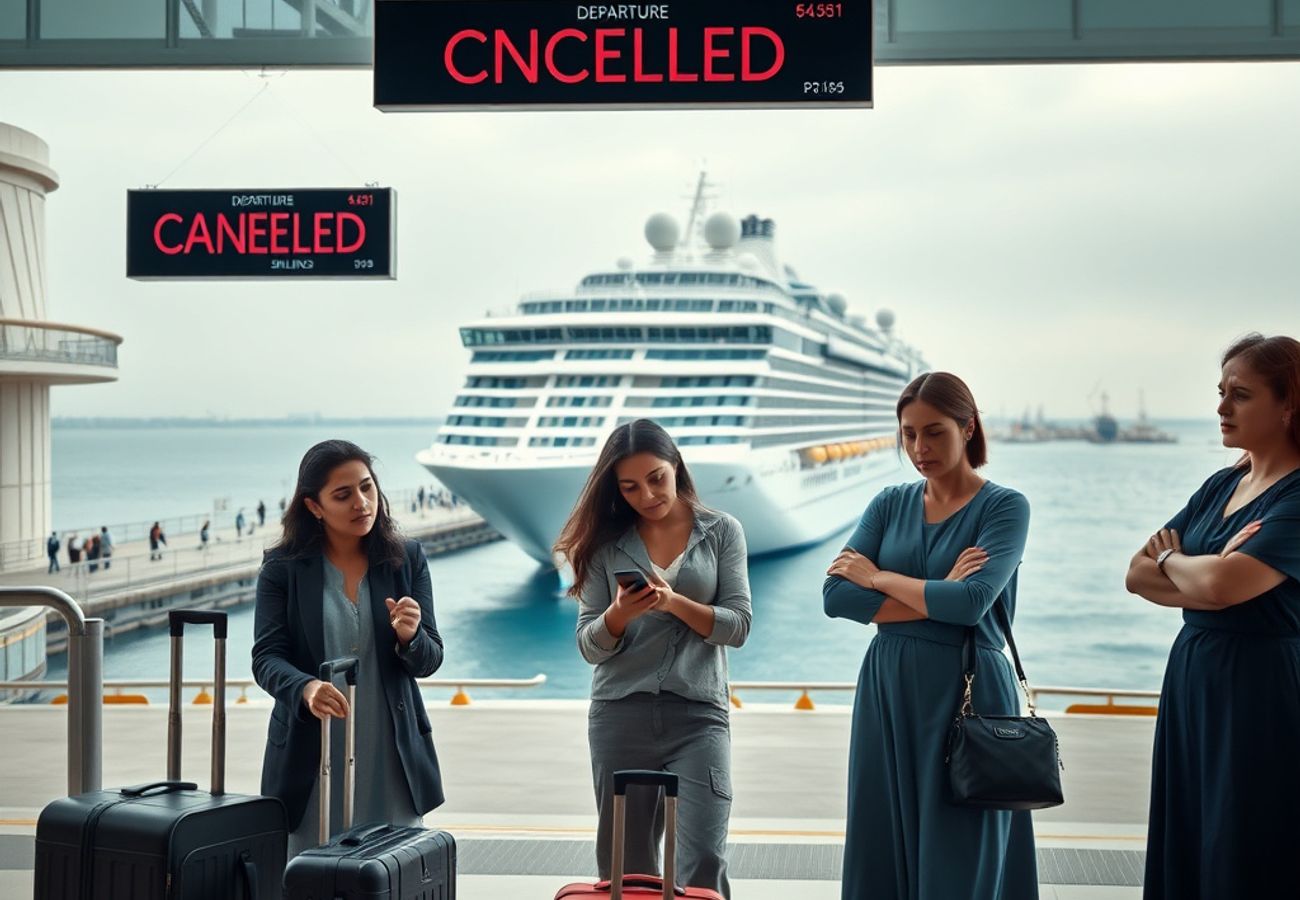
Image generated by AI
The Crisis Nobody's Talking About: How 80 Sea Mines Are Reshaping Gulf Tourism Right Now
I've covered travel disruptions across three continents, but what's happening in the Strait of Hormuz right now is different. While aviation headlines dominate the news cycle, an entirely separate threat is quietly reshaping how millions of travellers will experience the Gulf in the coming months.
Eighty sea mines. That's the number keeping tourism officials in Dubai, Abu Dhabi, Muscat, and Doha awake at night.
Following recent Middle East conflict, maritime authorities have launched a mandatory 30-day minesweeping operation across one of the world's most critical shipping corridors. For travellers and cruise operators, this isn't just a headline—it's a fundamental shift in how Gulf tourism will operate through the rest of 2026.
Why This Matters More Than You Think
Here's what most travel articles miss: the Strait of Hormuz isn't just energy infrastructure. It's the backbone of Gulf tourism.
This narrow waterway connects the Arabian Gulf with the Gulf of Oman and the wider Indian Ocean. For tourists, that translates to cruise itineraries, luxury yacht experiences, diving expeditions, and island excursions that generate billions annually across the region.
Reddit: "Just had our cruise cancelled because of the mines. No idea when they're rescheduling us." — r/cruising
The maritime corridor serves commercial shipping networks that feed the entire regional tourism economy. Disrupt the shipping lanes, and you disrupt everything connected to them—accommodation logistics, food supply chains, fuel for tour boats, even the vessels themselves.
The 30-Day Countdown Begins
Specialised naval and maritime teams are now working around the clock to identify, map, and remove approximately 80 sea mines scattered across primary shipping corridors.
The operation is being conducted in stages, with authorities prioritising the channels most heavily used by commercial vessels. It's methodical work. It's also critical work.
Restoring confidence among shipping operators is the stated objective, but what tourism stakeholders really need is a guarantee that maritime access will be uninterrupted by September.
Cruise Tourism: The Biggest Wildcard
The cruise industry has quietly become the Gulf's fastest-growing tourism segment over the past decade.
Winter cruise itineraries regularly include ports in Dubai, Abu Dhabi, Doha, Muscat, and Manama. Many of these voyages navigate through or near the Strait of Hormuz—and that's where the minesweeping operation creates real uncertainty.
According to industry analysts tracking cruise deployment patterns, scheduling decisions for the 2026-2027 winter season depend entirely on when authorities declare the strait fully navigable again. Cruise operators are monitoring official guidance closely, but itinerary planning remains highly dependent on maritime safety assessments.
One delayed minesweeping milestone could ripple across dozens of future sailings.
Dubai: Business as Usual—But With Caveats
Dubai continues welcoming international visitors through its extensive aviation network. The emirate remains one of the world's busiest tourism destinations, pulling travellers from Europe, Asia, Africa, and North America.
For air travellers, the minesweeping operation doesn't directly affect arrival or departure. Hotels stay open. Attractions operate normally. Shopping malls remain packed.
But here's the tension: Dubai's tourism economy increasingly depends on high-value marine tourism experiences. Yacht charters, luxury island cruises, and diving expeditions represent a growing segment of visitor spending. Those businesses are watching the minesweeping timeline very closely.
Tourism authorities in Dubai are focused on one message: stability and uninterrupted access. That message rings hollow if maritime operations remain restricted through autumn.
Abu Dhabi's Cruise Gamble
Abu Dhabi occupies a different position in the Gulf's tourism hierarchy. The emirate has invested heavily in diversifying away from pure aviation-based tourism.
The cruise sector is central to this strategy. As maritime recovery efforts continue, Abu Dhabi's tourism authorities are expected to maintain close coordination with port stakeholders and shipping operators.
Any improvement in maritime confidence could unlock significant growth across the cruise segment. But premature optimism could backfire if the minesweeping operation encounters unexpected complications.
Abu Dhabi's broader tourism outlook remains supported by strong international air connectivity, but cruise operators are already requesting assurances before confirming winter deployment schedules.
Muscat's Unique Advantage
Muscat occupies an interesting geographic position. Located on the Gulf of Oman rather than inside the Arabian Gulf itself, the city serves as a natural gateway for maritime tourism activities.
Cruise vessels, diving operators, and leisure marine businesses contribute significantly to Oman's visitor economy. The country's tourism strategy increasingly emphasises coastal and sustainable marine experiences.
This creates an advantage for Muscat: fewer operations depend directly on Strait passage compared to Dubai or Abu Dhabi. However, regional maritime confidence still matters for broader Gulf tourism patterns and cruise routing decisions.
Doha's Post-Investment Moment
Doha has invested heavily in tourism infrastructure and cruise facilities during recent years. The city is expanding its hospitality offerings and international event portfolio aggressively.
Qatar's broader tourism diversification efforts depend partly on maritime tourism becoming a reliable revenue stream. For a destination that bet big on cruise expansion, maritime uncertainty creates scheduling headaches.
Although aviation continues handling the majority of international arrivals, cruise tourism is becoming increasingly significant to Qatar's long-term economic objectives.
What Travellers Should Actually Do Right Now
For most air travellers, day-to-day travel plans remain unchanged. Airports continue operating normally. Hotels and attractions stay open.
But if you're considering cruise bookings for the remainder of 2026:
Monitor operator updates closely. Major cruise lines are already adjusting itineraries based on minesweeping progress.
Demand clarity on maritime safety assurances. Don't book without explicit language covering operational contingencies.
Review travel insurance policies. Ensure coverage includes maritime-related cancellations or itinerary changes.
Track official maritime authority announcements. The 30-day window is a target, not a guarantee.
The regional travel recovery remains on track. Airspace restrictions have been largely removed. Tourism authorities throughout the Gulf continue promoting destinations to international markets. The remaining challenge is purely maritime-focused.
Industry stakeholders generally view successful minesweeping as an important milestone in wider normalisation, but history shows these operations frequently encounter unforeseen complications.
The Gulf's tourism recovery depends on more than just airplanes—it depends on clear, navigable waters.
Related Travel Guides
Disclaimer
This article is for informational and educational purposes only. It does not constitute legal, financial, or professional advice. While we strive to provide accurate and up-to-date information, travel policies, regulations, and conditions change rapidly. Always verify information with official sources before making travel decisions. Nomad Lawyer makes no representations about the accuracy, reliability, completeness, or suitability of the information provided. Readers should consult qualified professionals for advice specific to their circumstances. The views expressed in this article are those of the author and do not necessarily reflect the views of Nomad Lawyer.
Kunal K Choudhary
Co-Founder & Contributor
A passionate traveller and tech enthusiast. Kunal contributes to the vision and growth of Nomad Lawyer, bringing fresh perspectives and driving the community forward.
Learn more about our team →