
Iran's Strait of Hormuz Transit Fees Threaten Dubai, Doha, Muscat Tourism as 12 Nations Monitor Closure Risk
Iran's proposed maritime management fees and renewed closure claims shake Gulf tourism confidence. Dubai, Doha, Muscat remain open as 60-day negotiations begin affecting cruise and travel networks.

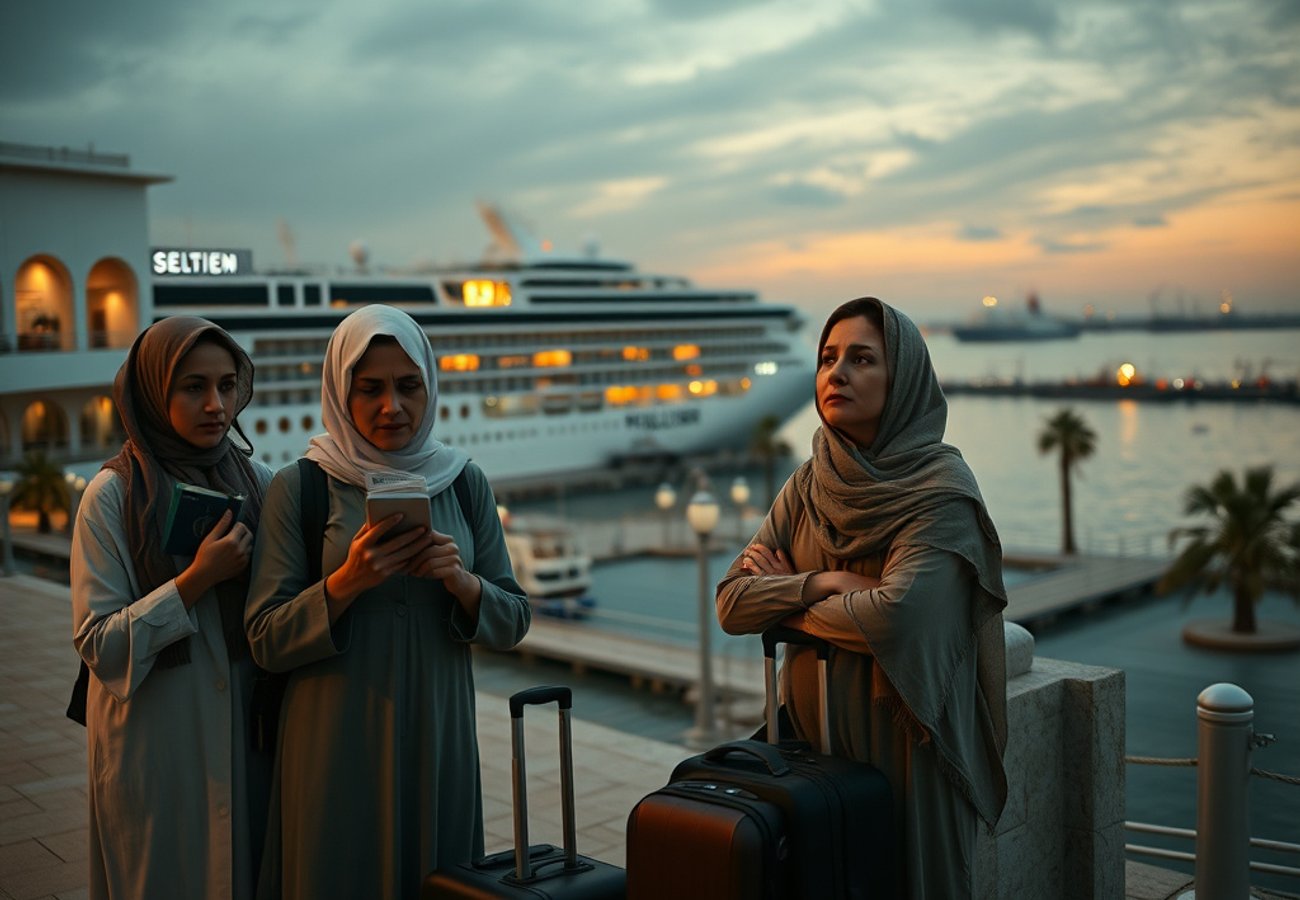
Image generated by AI
The Alarm Bells Ringing Across the Gulf
On June 24, 2026, the tourism landscape of the Middle East shifted. Iran announced it would introduce maritime management fees for vessels transiting the Strait of Hormuz following a 60-day negotiation window — and just four days earlier, on June 20, Iranian officials claimed the waterway had temporarily closed again.
The result? A cascade of uncertainty rippling through Dubai, Abu Dhabi, Doha, Muscat, and Manama — destinations already experiencing record tourism growth.
What makes this different from previous maritime tensions is the timing. Gulf tourism is booming. Yet the very corridor that supports cruise itineraries, aviation catering supplies, and hospitality logistics now sits under negotiation terms that remain deliberately vague.
Why This Actually Matters to Your Travel Plans
Most travelers assume the Strait of Hormuz affects only cargo ships and oil tankers. That's the misconception that keeps tourism officials up at night.
The 21-mile waterway connects the Persian Gulf to the Gulf of Oman and the Arabian Sea. It's not just a shipping lane — it's the lifeline for the visitor economy across the entire region. Cruise vessels carrying thousands of passengers depend on uninterrupted passage. Hospitality supply chains, aviation catering operations, and imported tourism products all move through this corridor.
Reddit: "I booked a cruise from Dubai next month. Now I'm seeing headlines about closure risks. Should I cancel?" — r/travel
Tourism authorities across the region remain publicly calm. Airports stay open. Hotels continue operating. Yet behind closed doors, destination management companies and cruise operators are quietly stress-testing contingency plans.
Iran's Fee Proposal: What We Know (And Don't)
Iranian officials have stated they intend to charge vessels for transiting the waterway under a new "maritime management system." The proposal lacks specifics — no fee structure has been announced, no timeline confirmed beyond the 60-day negotiation period.
This ambiguity is precisely what creates market anxiety. Tour operators need certainty. Cruise lines need cost projections. Neither is available.
According to regional maritime sources, neighboring Gulf countries — Iraq, Kuwait, UAE, Oman, Qatar, Bahrain, Saudi Arabia, Egypt, Lebanon, Turkey, and Syria — are actively monitoring discussions.
The UAE, Oman, and Qatar have the most exposure. Tourism economies in these nations depend heavily on Strait of Hormuz shipping corridors, with "very high" dependence on uninterrupted trade routes.
The June 20 Closure Claims Changed Everything
Four days before the fee announcement, Iran briefly declared the Strait of Hormuz closed, citing "security concerns linked to military developments elsewhere in the region."
What happened next revealed the fragility of maritime confidence. Industry sources reported that several approaching vessels switched off their Automatic Identification System (AIS) transmissions near the Omani coastline. Operating in "dark mode" reduces vessel visibility on public tracking systems — a practice that typically signals elevated security concerns.
International maritime traffic reportedly continued moving through the area, but the conflicting statements generated immediate caution among shipping operators. For tourism businesses, the symbolism mattered more than the facts: instability had returned to the world's most critical maritime corridor.
Tourism Operations: Still Open, Still Cautious
Despite the headlines, Dubai International Airport, Zayed International Airport in Abu Dhabi, Hamad International Airport in Doha, and Muscat International Airport continue operating normally. These are among the world's busiest aviation hubs, welcoming millions of passengers annually.
Hotels, resorts, and attractions across the Gulf remain fully operational. Tourism authorities continue promoting destinations. Cruise lines continue accepting bookings.
But there's a subtle shift. Hospitality supply chains are tightening. Cruise operators are diversifying port itineraries. Airlines are stress-testing fuel supply contingencies.
What the Data Shows
Dubai and Abu Dhabi show "very high" dependence on Strait of Hormuz trade routes, with correspondingly high tourism exposure. Doha and Muscat sit in the same category.
Bahrain's tourism sector faces "moderate-high" exposure, while Saudi Arabia — rapidly expanding international tourism across Riyadh, Jeddah, AlUla, and the Red Sea region — shows "moderate" exposure due to its larger domestic market buffer.
Jordan, via the port city of Aqaba, shows lower exposure. Egypt's major tourism centers — Cairo, Alexandria, Hurghada, and Sharm El Sheikh — also benefit from lower direct dependence, though they remain sensitive to regional shipping disruptions.
The Cruise Industry's Quiet Anxiety
Cruise tourism has become strategically important across the Gulf over the past decade. Dubai, Abu Dhabi, Doha, and Muscat have invested heavily in cruise infrastructure, positioning themselves as premier winter cruise hubs for international lines.
Cruise operators closely monitor navigation conditions when planning itineraries. Any developments affecting maritime routes influence deployment decisions and scheduling. For now, Gulf cruise destinations remain operational and welcoming — but operators are developing alternative routing plans.
Reddit: "Just paid for a February 2027 Gulf cruise. These headlines are making me nervous about deployment changes." — r/cruise
The 60-Day Clock Is Ticking
The negotiation window runs 60 days from the June 24 announcement. By late August 2026, clarity should emerge regarding Iran's maritime management fee framework.
Until then, tourism businesses operate in calculated uncertainty. Airlines continue routes. Hotels accept reservations. Cruise lines maintain schedules. But every entity with exposure to Strait of Hormuz shipping is preparing contingencies.
The immediate risk isn't closure — it's the uncertainty itself. International shipping requires confidence. Tourism requires predictability. Both are in short supply when negotiation terms remain deliberately vague.
What This Means for Travelers
If you're planning Gulf travel for the next two months, current guidance remains: proceed as planned. Airports are open. Hotels are operational. Tourism authorities are actively promoting destinations.
However, if you're booking cruises departing after September 2026, monitor developments closely. Fee structures will likely influence pricing. Potential route changes could affect itineraries.
For business travelers and leisure visitors, the calculus remains straightforward: Dubai, Abu Dhabi, Doha, Muscat, and Manama are actively competing for your tourist dollar and continuing to invest in visitor experiences. Regional tourism boards are intensely focused on maintaining confidence.
The Strait of Hormuz tension is real. The tourism impact is manageable — for now.
Keep watching the Gulf. The next 60 days will define travel confidence across the entire Middle East.
Related Travel Guides
Disclaimer
This article is for informational and educational purposes only. It does not constitute legal, financial, or professional advice. While we strive to provide accurate and up-to-date information, travel policies, regulations, and conditions change rapidly. Always verify information with official sources before making travel decisions. Nomad Lawyer makes no representations about the accuracy, reliability, completeness, or suitability of the information provided. Readers should consult qualified professionals for advice specific to their circumstances. The views expressed in this article are those of the author and do not necessarily reflect the views of Nomad Lawyer.
Kunal K Choudhary
Co-Founder & Contributor
A passionate traveller and tech enthusiast. Kunal contributes to the vision and growth of Nomad Lawyer, bringing fresh perspectives and driving the community forward.
Learn more about our team →