
US Summer Travel Trends: Families Pivot Toward Extended Stays and 'Smart' Vacation Planning
A fundamental shift in domestic tourism is underway as American families abandon high-intensity itineraries in favor of

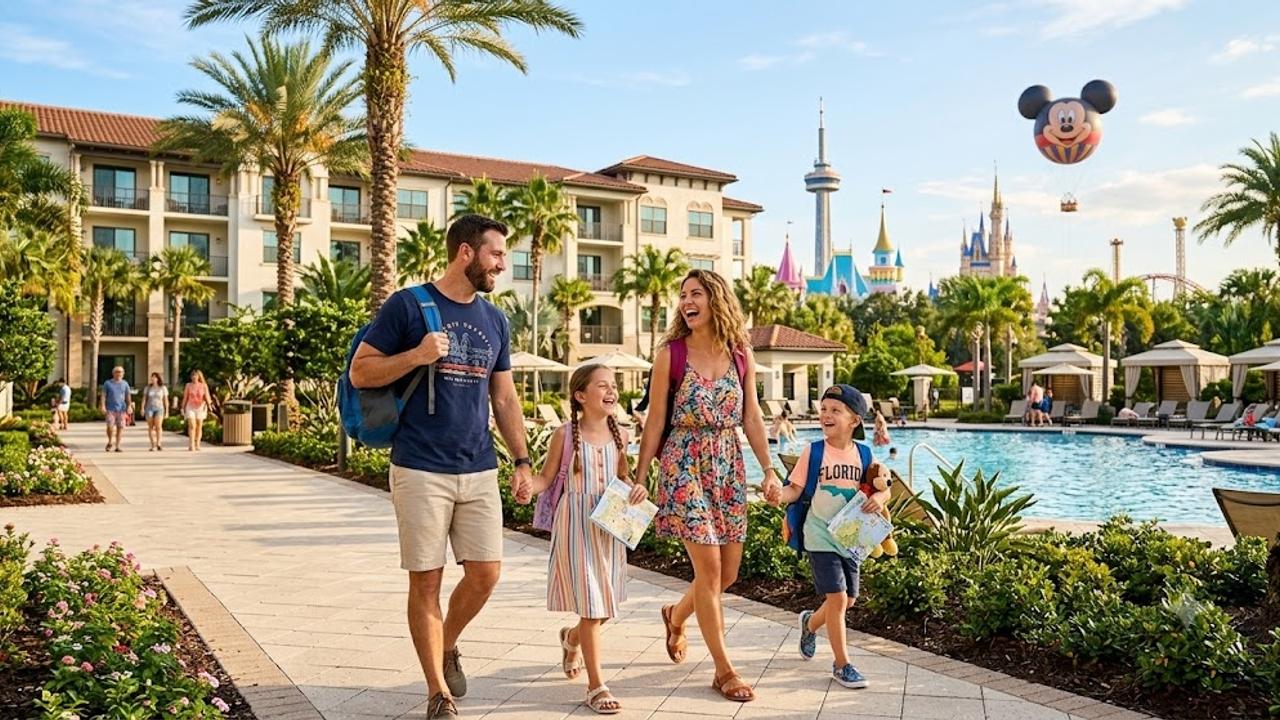
Image generated by AI
The Evolution of American Summer Vacations
Summer travel patterns across the United States are undergoing a significant transformation. Recent data from national visitor economy reports and US government travel agencies indicate a strong recovery in domestic demand, specifically within the multi-destination and extended-stay segments.
Modern travelers are increasingly moving away from "high-intensity" vacations—characterized by tight schedules and frequent hotel changes—and are instead adopting a more relaxed pace. This behavioral shift is designed to reduce travel stress and allow families to immerse themselves more deeply in their chosen destinations.
The Rise of 'Smart Travel' Strategies
To combat the friction of traditional vacationing, a trend known as "smart travel" has gained momentum. This approach prioritizes efficiency, wellness, and convenience to maximize overall trip satisfaction.
Key elements of smart travel planning include:
- Strategic Location Selection: Choosing accommodations that minimize transit time to primary attractions.
- Flexible Itineraries: Prioritizing quality of experience over the quantity of sites visited.
- Sustainable Behavior: Following government tourism frameworks that encourage longer stays in fewer locations to reduce regional congestion.
- Practical Amenities: A heightened demand for kitchen-equipped rooms and flexible booking options, particularly for multi-generational family groups.
Extended-Stay Accommodations Reshaping Hospitality
The extended-stay segment has emerged as one of the fastest-growing sectors in the US hospitality industry. Driven by a mix of family vacations, relocation travel, and professional assignments, the demand for long-term lodging is reshaping how hotel brands operate.
Unlike traditional short-term hotels, extended-stay properties provide integrated living spaces and full kitchen facilities. According to hospitality industry research, this model not only improves the guest experience but also creates more stable spending patterns within regional tourism economies. Major hotel groups are currently expanding their footprints in this sector to capture the growing family market, particularly in high-traffic hubs.
Florida: The Epicenter of Family-Centric Tourism
Florida continues to dominate as a premier domestic destination, bolstered by its year-round climate and robust tourism infrastructure. The state serves as a primary example of the shift toward experience-based travel, where visitors prioritize meaningful activities over rapid sightseeing.
The state's diverse offering—ranging from coastal recreation to educational wildlife attractions—makes it an ideal environment for the extended-stay model. By basing themselves in one location for a longer period, families can explore Florida's varied landscape without the pressure of a rigid schedule.
Integrated Entertainment: The LEGOLAND Florida Model
The growth of integrated family entertainment is exemplified by the LEGOLAND Florida Resort. By combining lodging, themed rides, water activities, and interactive exhibits in a single location, such resorts align with the "smart travel" philosophy.
This integrated model provides several benefits to the modern traveler:
- Reduced Friction: Eliminates the need for extensive daily commutes between separate attractions.
- Immersive Experience: Blends education, play, and entertainment into a seamless stay.
- Regional Synergy: Acts as a hub that encourages visitors to explore nearby complementary attractions, such as aquariums and other themed parks.
Future Outlook for US Tourism
The US travel industry is moving decisively toward a comfort-driven, experience-focused model. The convergence of extended-stay lodging, strategic "smart" planning, and integrated destination resorts is creating a new blueprint for domestic tourism. As families continue to prioritize flexibility and reduced stress, the industry is expected to further innovate its family-friendly solutions to meet this evolving demand.
Key Takeaways
- Shift in Pace: Families are swapping short, hectic trips for longer, more relaxed "extended stays."
- Smart Planning: There is a growing emphasis on reducing travel friction through strategic location and amenity choices.
- Hospitality Growth: Extended-stay hotels are seeing a surge in demand due to their blend of home-like comforts and hotel services.
- Destination Focus: Florida remains a top hub for these trends, with integrated resorts like LEGOLAND Florida leading the way in convenience-based tourism.
FAQ
What is "smart travel" in the context of family vacations? Smart travel is a planning strategy focused on reducing stress and increasing efficiency. It involves choosing centrally located accommodations, utilizing flexible schedules, and selecting destinations that offer multiple activities in one area to minimize unnecessary movement.
Why are extended-stay hotels becoming more popular? They offer a middle ground between a hotel and an apartment, providing kitchen facilities and more living space. This is particularly appealing to families on longer vacations or those traveling for relocation and work.
How does integrated tourism benefit the traveler? Integrated resorts (like LEGOLAND Florida) combine accommodation and entertainment in one spot. This reduces the logistical burden of commuting between different sites, making the vacation more manageable for parents and children.
Related Travel Guides
Disclaimer
This article is for informational and educational purposes only. It does not constitute legal, financial, or professional advice. While we strive to provide accurate and up-to-date information, travel policies, regulations, and conditions change rapidly. Always verify information with official sources before making travel decisions. Nomad Lawyer makes no representations about the accuracy, reliability, completeness, or suitability of the information provided. Readers should consult qualified professionals for advice specific to their circumstances. The views expressed in this article are those of the author and do not necessarily reflect the views of Nomad Lawyer.
Raushan Kumar
Founder & Lead Developer
Full-stack developer with 11+ years of experience and a passionate traveller. Raushan built Nomad Lawyer from the ground up with a vision to create the best travel and law experience on the web.
Learn more about our team →