
Middle East Tourism Aviation Hubs Strait of Hormuz Negotiations
Oman leads Strait of Hormuz talks, joining regional powers to protect civil aviation paths and marine tourism corridors in the Persian Gulf in 2026.

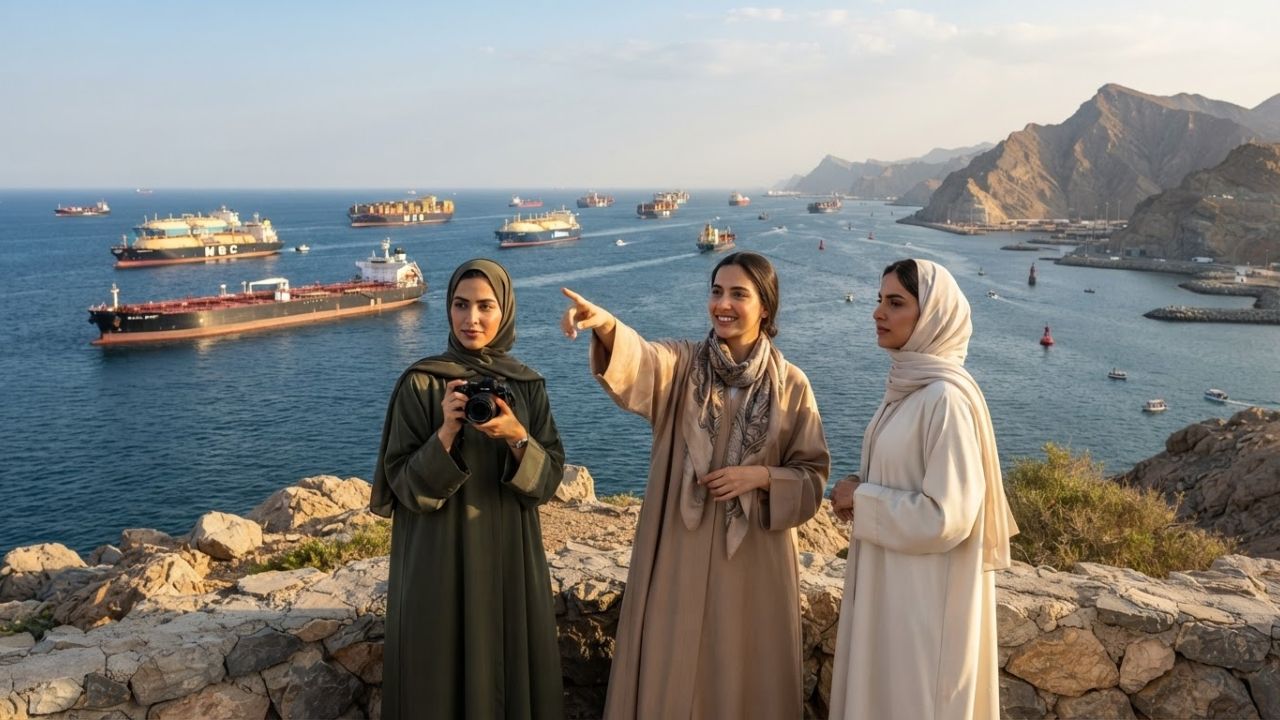
Image generated by AI
How Oman and Gulf Cooperating States Negotiate Strait of Hormuz Safety to Shield Middle East Aviation and Marine Tourism in 2026
Middle East destinations and transport networks are closely monitoring the Strait of Hormuz security talks led by Oman and regional partners. The negotiations aim to establish safe maritime corridors and protect airspace routing, securing the region's massive civil aviation and marine tourism sectors in 2026.
The Local Trend Revealed
Diplomatic efforts in Muscat, Oman, have brought together negotiators from the United States, Iran, Qatar, Saudi Arabia, the United Arab Emirates, Bahrain, and Kuwait. While the primary discussions center on global shipping safety and energy transit through the narrow 33-kilometer channel, regional travel boards are leveraging these talks to establish safety guarantees for tourist transit.
The security of the Strait of Hormuz directly impacts high-value tourism sectors. Specifically, the Musandam Peninsula—an Omani enclave overlooking the strait famous for its dramatic fjords and traditional dhow cruises—relies heavily on calm regional waters. Meanwhile, major global aviation hubs in Dubai, Doha, and Abu Dhabi depend on stable airspace corridors to maintain flight frequencies and reassure international transit passengers.
Cultural & Environmental Value (Information Gain)
According to briefings from the Oman Ministry of Heritage and Tourism, establishing defined maritime corridors prevents international military naval congestion, which otherwise disrupts local artisanal fishing communities and fragile marine habitats.
The Musandam governorate's tourism sector is heavily focused on community-based ecotourism. Visitors hire local captains for dolphin-watching dhow excursions, which funds marine conservation and provides sustainable jobs in remote coastal villages.
In addition, the UAE port of Fujairah, situated just outside the strait on the Gulf of Oman, has emerged as a major eco-tourism and scuba-diving base. Protecting the regional waters from fuel leaks and naval accidents is vital to preserving coral garden ecosystems and local marine parks.
Middle East Travel and Transit Indicators
| Regional Territory / Hub | Primary Tourism & Transit Role | Highlighted Regional Impact / Safety Focus |
|---|---|---|
| Musandam Peninsula (Oman) | Fjord cruising & marine ecotourism | Traditional dhow operations; proximity to shipping lanes |
| Fujairah (UAE) | Coastal diving & marine parks | Alternative port outside the strait; coral protection |
| Dubai & Abu Dhabi (UAE) | Global civil aviation hubs | Airspace safety corridors; transit passenger confidence |
| Doha (Qatar) | International transit corridor | Flight routing stability; global aviation connections |
| Persian Gulf Waters | Commercial & cruise shipping | Daily transit volume variations; maritime insurance yields |
Visitor Insider Tips
For travelers routing through or visiting the Arabian Gulf region:
- Optimal Travel Window: The best period to visit Khasab and the Musandam Peninsula is from November to March. The weather is cool, and underwater visibility for snorkeling is exceptional.
- Support Local Operators: When booking dhow excursions, hire licensed Omani operators to ensure safety regulations are met and park fees directly fund local conservation.
- Stay Updated on Transit: If you are traveling via hubs in Doha or Dubai, keep your airline contact details current. Carriers coordinate closely with regional traffic controllers to adjust routing away from active naval lanes.
- Respect Marine Sanctuaries: When diving off the coast of Fujairah, use reef-safe sunscreens and avoid touching marine life to preserve fragile corals.
Tourism Outlook
The diplomatic mediation led by Oman is crucial to preserving the reputation of the Arabian Gulf as a safe, world-class hub for aviation transit and luxury coastal travel.
By establishing clear maritime corridors and safeguarding regional air corridors, Gulf nations are building a resilient framework that protects both natural marine habitats and the tourism-driven economy.
FAQ: Strait of Hormuz Travel Impact
Why is the Strait of Hormuz important for Middle East travel?
The strait is a primary gateway for regional cruise ships and lies beneath some of the busiest civil aviation corridors connecting Europe, Asia, and the Americas.
How does the current situation affect flights in the Gulf?
Aviation routes are occasionally adjusted to bypass areas of military exercises. Regional hubs like Dubai and Doha maintain close contact with aviation authorities to ensure passenger safety.
What activities are popular in Oman's Musandam Peninsula?
Musandam is famous for fjord cruising on traditional wooden dhows, dolphin watching, scuba diving, and exploring remote coastal villages.
Related Travel Guides
Disclaimer
This article is for informational and educational purposes only. It does not constitute legal, financial, or professional advice. While we strive to provide accurate and up-to-date information, travel policies, regulations, and conditions change rapidly. Always verify information with official sources before making travel decisions. Nomad Lawyer makes no representations about the accuracy, reliability, completeness, or suitability of the information provided. Readers should consult qualified professionals for advice specific to their circumstances. The views expressed in this article are those of the author and do not necessarily reflect the views of Nomad Lawyer.
Kunal K Choudhary
Co-Founder & Contributor
A passionate traveller and tech enthusiast. Kunal contributes to the vision and growth of Nomad Lawyer, bringing fresh perspectives and driving the community forward.
Learn more about our team →