
Sri Lanka’s Delft Island and More Untouched Destinations Reveal Extraordinary Offbeat Experiences Every Traveller Must Discover
Sri Lanka’s Delft Island and More Untouched Destinations Reveal Extraordinary Offbeat Experiences Every Traveller Must Discover

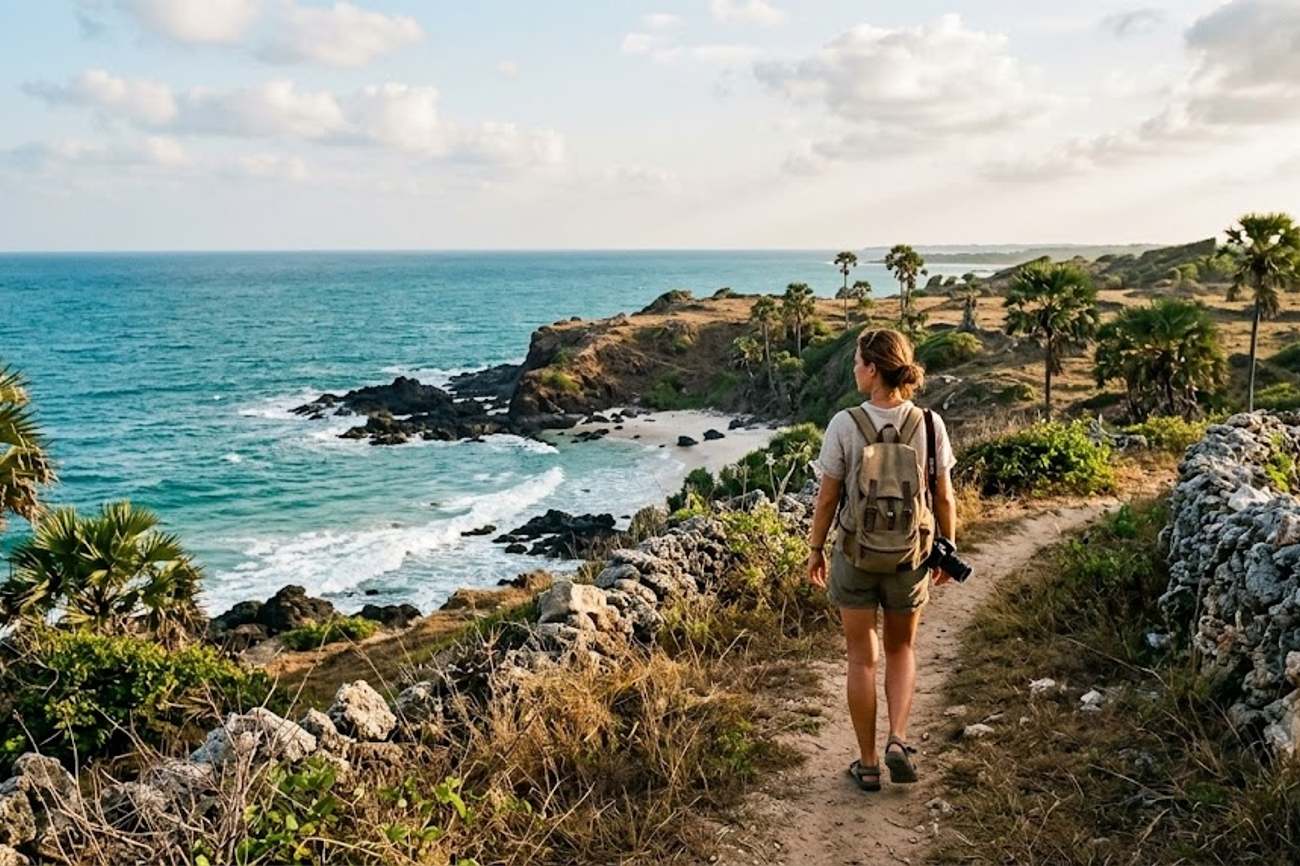
Image generated by AI
Most travelers associate Sri Lanka with emerald jungles and golden beaches, but the northernmost reaches of the island hold a landscape that feels more like a desert outpost than a tropical paradise. On Delft Island, the lush greenery of the south vanishes, replaced by a stark, coral-stone terrain and towering Palmyra palms that define a region far removed from the typical tourist circuit.
The Shift Toward Slow Exploration
For years, the standard Sri Lankan itinerary has been a predictable loop: Kandy, Nuwara Eliya, and the southern coast. However, a distinct shift is occurring as visitors move away from the "highlight reel" and toward immersive, slow-travel experiences. This movement is centered on the fringes of the map—the arid north, the mist-shrouded central peaks, and the quiet waterways of the east. Rather than ticking off landmarks, the current trend focuses on the rhythms of local life, where the goal is not to see the most sites, but to spend more time in a single place.
This evolution is most evident in the rise of long-distance trekking and water-based wildlife observation. The traditional jeep safari, while efficient, is being supplemented by methods that reduce noise and environmental impact, allowing for a more intimate connection with the island's biodiversity. Whether it is traversing the highlands on foot or navigating the Palk Strait to reach remote islets, the focus has moved toward destinations that require effort to reach and patience to understand.
What Makes the Remote North and Highlands Different
The diversity of Sri Lanka is often understated; the island functions almost like three different countries merged into one. The northern region, specifically around Jaffna and Delft Island, operates on a different cultural and aesthetic frequency. Delft, spanning approximately 50 square kilometers, is a place of silence and salt. Its architecture is built from coral stone, and its history is etched into colonial-era ruins and ancient religious sites. Visiting this area is less about sightseeing and more about observing a resilient way of life shaped by the sea and the wind.
In contrast, the central highlands offer a vertical world of extremes. The Knuckles Mountain Range is not a curated park but a rugged wilderness of mist-covered peaks and grasslands. Unlike the manicured tea estates found near the main roads, Knuckles remains largely untouched, offering a raw encounter with native plants and wildlife.
Then there is the tea country, which most visitors experience from the window of a train or a luxury hotel. The real essence of this region is found on the Pekoe Trail. Stretching over 300 kilometers, this network of paths cuts through the heart of the estates. A specific stretch between Galaha and Loolkandura serves as a living museum, tracing the early development of the tea industry. Here, the experience is tactile: the smell of damp earth, the sight of pluckers at work, and the sound of distant waterfalls.
Finally, the east offers a sensory departure at Gal Oya National Park. While most wildlife parks are dusty plains, Gal Oya centers on the Senanayake Samudra, the largest inland reservoir in the country. The experience here is aquatic. Watching elephants swim between islands or graze along the shoreline from the vantage point of a boat is a stark contrast to the crowded jeep trails of Yala or Udawalawe.
Visitor Insider Tips
To truly experience these regions, you must abandon the rigid schedule. The remote areas of Sri Lanka reward flexibility and local engagement.
Timing and Logistics To avoid the peak crowds and the heaviest monsoons, aim for the window between December and March for the north and the highlands. If you are visiting the Knuckles Mountain Range, start your treks at dawn; the mist typically clears by mid-morning, providing the best panoramic views of the valleys.
Navigating the North When heading to Delft Island, remember that transport is limited. Arrange your boat transit from the mainland well in advance. Once on the island, the best way to get around is via local carts or by walking. Respect the quietude of the villages; a simple "Ayubowan" (the traditional greeting) goes a long way in opening doors to local hospitality.
Sri Lanka's Delft Island, also known as Neduntivu, is a hidden gem that offers an extraordinary offbeat experience for travellers, with its pristine beaches, coral reefs, and historic landmarks. To plan a trip to this untouched destination, visitors can check the official website of Sri Lanka Tourism for travel guides, accommodation options, and tour packages. The island's unique culture and natural beauty make it an ideal destination for those seeking an unconventional travel experience.
Highland Etiquette When walking the Pekoe Trail, you are often passing through private estates and working communities. Always stay on the marked paths to avoid damaging tea bushes. If you encounter tea pluckers, a polite nod is appreciated, but avoid blocking their paths, as they are working on strict quotas.
Culinary Must-Tries In Jaffna, move beyond the standard rice and curry. Seek out authentic northern specialties like spicy seafood curries and traditional dosa. The flavors here are distinct from the south, often featuring more pungent spices and a heavier influence from the northern cultural exchange.
Transport Hacks For the most authentic experience in the highlands, use local buses for short hops between trailheads, but hire a licensed local guide for the Knuckles range. The terrain can be disorienting, and local guides know the exact spots where native wildlife is most likely to appear. For more information on official travel requirements and regional guides, visit the Sri Lanka Tourism Development Authority.
Cultural and Environmental Context
Tourism in Sri Lanka is currently navigating a delicate balance between economic growth and the preservation of fragile ecosystems. In areas like Gal Oya and the Knuckles Mountain Range, the move toward boat safaris and trekking is a conscious effort to reduce the carbon footprint and noise pollution associated with heavy vehicle traffic. By shifting the visitor load away from the "Golden Triangle" and toward the periphery, the government and local communities are attempting to distribute tourism revenue more equitably across the island.
The northern region, particularly Jaffna and Delft, carries a deep historical and cultural weight. For decades, these areas were less accessible due to internal conflict. Today, tourism serves as a bridge for cultural exchange. When visitors engage with the fishing communities of the north or the tea laborers of the highlands, it fosters a mutual understanding that transcends the typical tourist-provider relationship.
However, the influx of visitors to the highlands puts pressure on water sources and waste management. The promotion of the Pekoe Trail encourages a "leave no trace" philosophy, urging travelers to respect the environment that sustains the tea industry. The preservation of these landscapes is not just about aesthetics; it is about protecting the livelihoods of thousands of families who depend on the land. For those interested in the broader context of protected areas in the region, the UNESCO World Heritage Centre provides extensive data on the preservation of Sri Lanka's cultural sites.
FAQ: Visiting Sri Lanka 2025
What is the best time to visit the northern region? The best time to visit Jaffna and Delft Island is from December to March. This period avoids the heaviest rains and provides the most stable weather for boat crossings to the islands.
Do I need a visa for Sri Lanka? Most visitors require an Electronic Travel Authorization (ETA). You can apply online through the official government portal before your arrival. Check current requirements based on your nationality.
How do I get to the Knuckles Mountain Range? The most common route is via Kandy. From there, you can hire a private vehicle or take local transport to the trailheads. A local guide is highly recommended due to the complex terrain.
Is it safe for solo travelers to explore remote areas? Yes, Sri Lanka is generally safe for solo travelers. However, when trekking in the highlands or visiting remote islands, it is advisable to inform your guesthouse of your route and travel with a local guide in wilderness areas.
The true soul of the island isn't found on a map, but in the silence of a coral island and the mist of a mountain peak.
Related Travel Guides
- Minor Hotels Unveils New Leadership Strategy for Avani Singapore Hotel Ahead of Landmark Opening
- South Korea Travel Outlook Enters New Phase as Japan US Talks Highlight Asia Peace and Stability
- Bahrain Partners With Uzbekistan And EU In UAE Tourism Strategic Push To Create New Travel And Investment Pathways
Disclaimer
This article is for informational and educational purposes only. It does not constitute legal, financial, or professional advice. While we strive to provide accurate and up-to-date information, travel policies, regulations, and conditions change rapidly. Always verify information with official sources before making travel decisions. Nomad Lawyer makes no representations about the accuracy, reliability, completeness, or suitability of the information provided. Readers should consult qualified professionals for advice specific to their circumstances. The views expressed in this article are those of the author and do not necessarily reflect the views of Nomad Lawyer.
Naina Thakur
Contributor & Travel Specialist
Travel enthusiast and legal writer covering visa regulations, responsible tourism, and cultural journeys across global destinations.
Learn more about our team →