
Bahrain Partners With Uzbekistan And EU In UAE Tourism Strategic Push To Create New Travel And Investment Pathways
Bahrain Partners With Uzbekistan And EU In UAE Tourism Strategic Push To Create New Travel And Investment Pathways

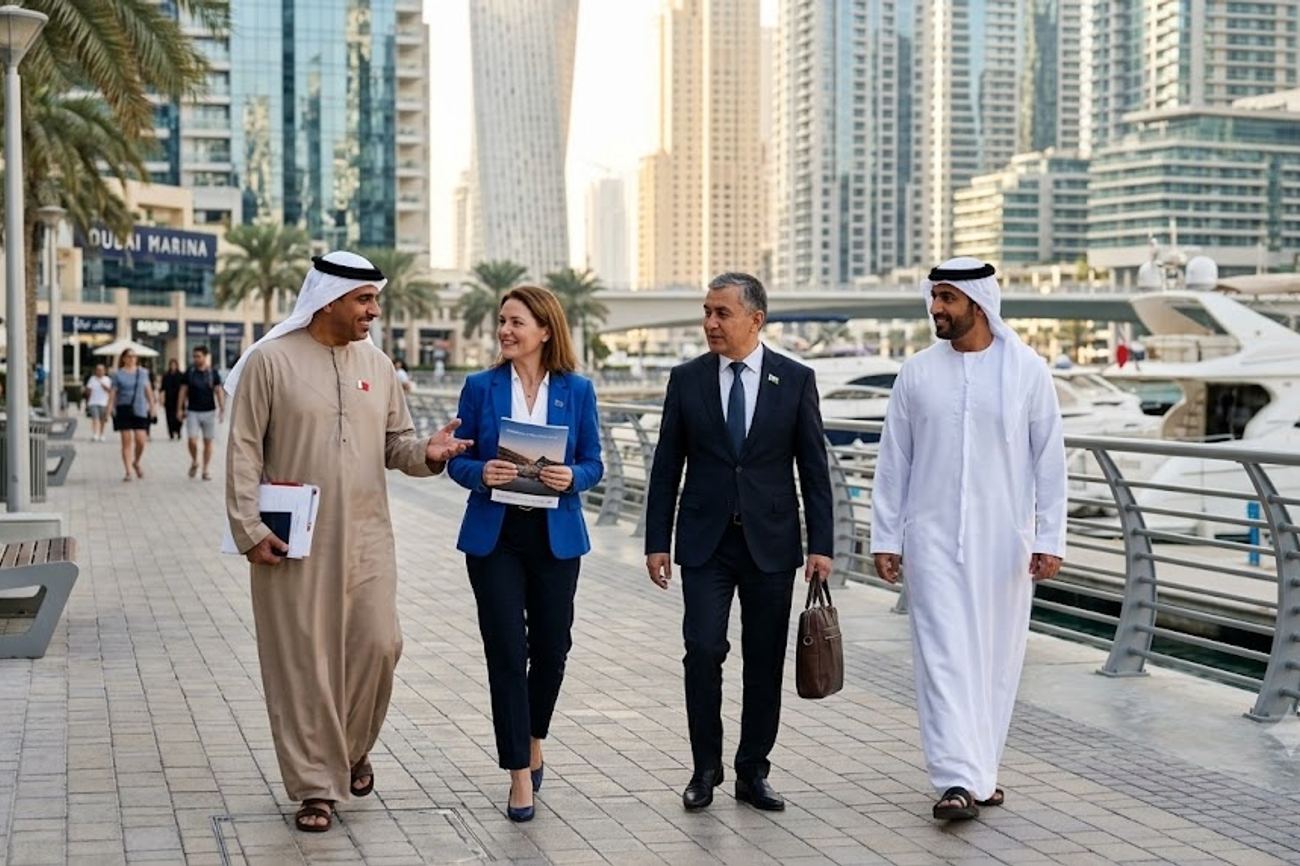
Image generated by AI
[Dubai, May 2026] — The United Arab Emirates is establishing a strategic tourism corridor connecting the Gulf, Central Asia, and Europe through new formal cooperation agreements with Bahrain, Uzbekistan, and the European Union. These initiatives, finalized during the Arabian Travel Market 2026 in Dubai, signal a shift away from isolated destination marketing toward an integrated, multi-destination travel model designed to increase visitor stay duration and overall trip value.
The agreements focus on the synchronization of tourism products, the exchange of high-level visitor data, and the creation of cross-border holiday packages. By aligning with the European Union, the UAE aims to streamline transport networks and sustainable travel frameworks, while the partnerships with Bahrain and Uzbekistan are designed to blend modern luxury infrastructure with deep cultural and Silk Road heritage.
The Drivers of the New Tourism Strategy
The UAE is pivoting its growth model to compete in a global market where travelers increasingly prioritize "meaningful experiences" over traditional sightseeing. Rather than promoting the UAE as a standalone stop, the government is now positioning the country as a central hub for connected journeys.
This strategy addresses three specific market needs:
- Regional Integration: Leveraging the shared identity of the Gulf to encourage tourists to visit multiple GCC countries in one trip.
- Cultural Diversification: Opening gateways to Central Asia to attract history-focused travelers.
- Sustainability and Access: Working with European regulators to ensure that increased flight volumes are balanced with environmental responsibility and smoother transit.
Markets and Routes Impacted
The cooperation framework targets specific regional synergies to create new travel flows. The following table outlines the primary focus of each partnership:
| Partner | Strategic Focus | Key Tourism Products |
|---|---|---|
| Bahrain | Gulf Integration | Heritage routes, coastal attractions, and luxury family packages. |
| Uzbekistan | Central Asian Connectivity | Silk Road historical tours combined with UAE luxury hospitality. |
| European Union | Sustainable Connectivity | Transport network optimization and eco-responsible travel systems. |
The partnership with Bahrain specifically emphasizes the exchange of tourism data to better understand visitor trends and refine marketing campaigns. Meanwhile, the Uzbekistan agreement focuses on "visitor exchange," creating a pipeline for travelers to experience the UAE's modern urbanity before transitioning to the ancient cities of Central Asia.
Practical Traveler Advisory and Strategic Insights
For the average passenger or vacationer, these corporate agreements will translate into tangible changes in how trips are booked and experienced. The era of the "single-city stopover" is evolving into the "connected itinerary."
Multi-Destination Packages Travelers should expect a surge in bundled holiday packages. Instead of booking separate flights and hotels for Dubai and Manama, or Abu Dhabi and Tashkent, tour operators will offer integrated itineraries. This likely means streamlined visas, coordinated transport, and single-invoice bookings for multi-country trips.
Bahrain's strategic push to create new travel and investment pathways is expected to boost tourism in the region, with the country partnering with Uzbekistan and the EU to enhance collaboration and exchange in the tourism sector, for more information on Bahrain's tourism initiatives, visit the Bahrain Tourism website. This partnership aims to increase tourist arrivals and stimulate economic growth, with a focus on developing new travel routes and packages. The collaboration is set to benefit both countries, with Bahrain's rich history and culture complementing Uzbekistan's stunning landscapes and architectural heritage.
Enhanced Connectivity The focus on transport networks with the EU suggests that airlines—particularly those operating out of Dubai International (DXB) and Abu Dhabi—may introduce new flight frequencies or optimized routing to facilitate these connected journeys.
Sustainable Travel Options With the EU's involvement in "responsible tourism development," travelers can expect more "green" travel options, including carbon-offsetting programs and more efficient public transport links between tourist hubs.
The Path Toward Global Expansion
The UAE is leveraging its position as a global aviation crossroads to move beyond traditional tourism. The immediate next steps involve the operationalization of "joint tourism products," which will require coordination between the tourism authorities of the four involved entities.
Industry stakeholders, including hotels and destination management companies (DMCs), are expected to pivot their offerings to accommodate longer-stay visitors who are utilizing the UAE as a base for broader regional exploration. The long-term goal is to create a seamless "tourism bridge" that allows a traveler to move from a European capital to a Gulf metropolis and then into the heart of Central Asia with minimal friction.
The integration of tourism data sharing will also allow for more personalized marketing. By analyzing the preferences of EU travelers visiting the UAE, authorities in Bahrain and Uzbekistan can tailor their offerings to attract those specific demographics, creating a symbiotic growth cycle for all partners.
FAQ: UAE Global Tourism Partnerships 2026
Will I need separate visas for these multi-destination trips? While the agreements focus on tourism products, the UAE is working toward smoother "visitor relations." Travelers should check the official government portals of Bahrain and Uzbekistan for updated visa-on-arrival or e-visa options resulting from these ties.
Are there specific "Silk Road" packages available now? The agreements were discussed at Arabian Travel Market 2026. While the framework is set, specific commercial packages from tour operators are currently being developed and will roll out in the coming months.
How does the EU partnership affect flight prices? The focus is on "connectivity and transport networks" rather than price subsidies. However, increased efficiency and new routing options often lead to more competitive pricing through increased airline competition.
What is "sustainable tourism" in the context of these agreements? It refers to balancing the increase in visitor numbers with environmental protections. This includes reducing the carbon footprint of transport and ensuring that tourism growth does not degrade the cultural heritage sites of Uzbekistan or the coastal ecosystems of the Gulf.
The UAE is no longer just a destination; it is becoming the architect of the modern global itinerary.
Related Travel Guides
Disclaimer
This article is for informational and educational purposes only. It does not constitute legal, financial, or professional advice. While we strive to provide accurate and up-to-date information, travel policies, regulations, and conditions change rapidly. Always verify information with official sources before making travel decisions. Nomad Lawyer makes no representations about the accuracy, reliability, completeness, or suitability of the information provided. Readers should consult qualified professionals for advice specific to their circumstances. The views expressed in this article are those of the author and do not necessarily reflect the views of Nomad Lawyer.
Naina Thakur
Contributor & Travel Specialist
Travel enthusiast and legal writer covering visa regulations, responsible tourism, and cultural journeys across global destinations.
Learn more about our team →