
Spirit Shutdown Strands Thousands of Budget Travelers Across North America
Spirit Airlines ceased all operations on May 2, 2026, leaving thousands of budget travelers stranded worldwide. The ultra-low-cost carrier's abrupt shutdown cancels every flight and disrupts vacation plans across the U.S., Caribbean, and Latin America.

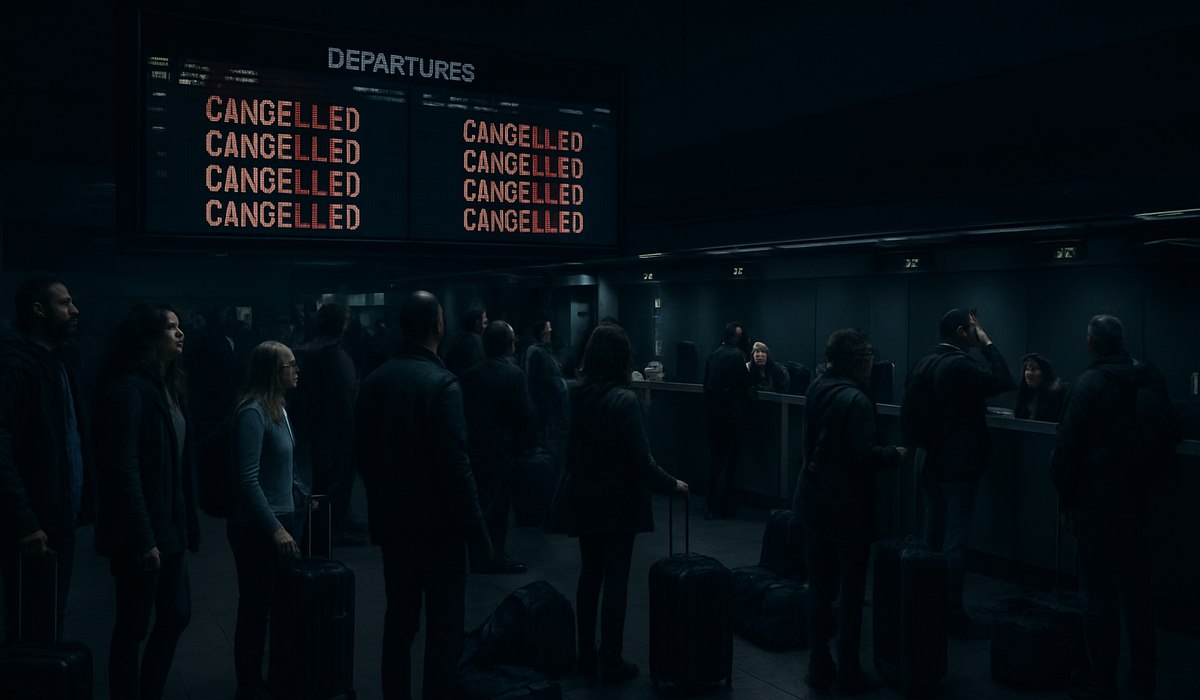
Image generated by AI
Spirit Airlines' Sudden Operational Shutdown
Spirit Airlines abruptly halted all operations on May 2, 2026, leaving thousands of passengers scrambling for alternative transportation across North America and Caribbean destinations. The ultra-low-cost carrier, recognizable for its distinctive bright yellow fleet and bare-bones pricing model, began an orderly wind-down in the early morning hours after decades of financial strain. By 3 a.m. Eastern time, every Spirit flight was canceled, and the airline instructed all customers to avoid traveling to airports. The shutdown followed unsuccessful rescue negotiations and mounting fuel costs that ultimately forced the airline into liquidation rather than gradual closure. This spirit shutdown strands crisis represents one of the most disruptive U.S. airline collapses in recent history, immediately impacting leisure and business travelers worldwide.
Immediate Impact: Airports and Stranded Passengers
The overnight announcement sent shockwaves through major airport terminals where Spirit maintained significant operations. Fort Lauderdale-Hollywood International, Orlando International, Las Vegas Harry Reid, and Atlanta Hartsfield-Jackson airports experienced immediate chaos as check-in counters went dark and travelers discovered their flights no longer existed. Families heading to Caribbean vacations, spring break destinations, and important family events found themselves without transportation options or access to Spirit's customer service channels.
Social media and travel forums flooded with reports of passengers arriving for 5 a.m. departures only to encounter cordoned-off gates and hastily printed notices. Many travelers faced multi-day delays or costly reroutes through secondary airports. Those who had booked Spirit specifically for its rock-bottom fares discovered that alternative carriers' rescue fares remained substantially higher than their original tickets. In South Florida alone, where Spirit operated as a dominant carrier, displaced passengers created unprecedented backup at competitor airline counters throughout May 2-3.
What Budget Travelers Should Do Now
Affected passengers holding Spirit tickets have several immediate action steps to protect their interests. First, document every expense related to the canceled flight, including rebooking fees, hotel nights, and ground transportation. Second, contact your credit card company to dispute the original Spirit charge and request a refund or chargeback protection.
Third, explore rescue fares offered by American Airlines, United, Frontier, and other carriers—these temporary discounted tickets often require proof of your original Spirit booking. Fourth, reach out to your travel agent or booking platform to discuss rebooking options, as some platforms offer flight protection insurance. Finally, file a formal refund request with Spirit's liquidation trustee, though this process may take several months. Consumer advocates emphasize that passengers are legally entitled to refunds rather than vouchers for canceled flights under Department of Transportation regulations.
The Collapse of America's Bare-Bones Carrier
Spirit Airlines' descent into insolvency wasn't sudden—the airline had been struggling through a second bankruptcy filing with mounting operational pressures throughout 2025 and early 2026. Rising jet fuel costs, labor negotiations, and slowing leisure travel demand created perfect conditions for collapse. In April 2026, financial analysts publicly warned that liquidation was increasingly probable if federal rescue funding failed to materialize. When that support never arrived, Spirit's leadership made the difficult decision to wind down operations completely rather than attempt a prolonged restructuring.
The airline's business model—built on ultra-low base fares paired with aggressive ancillary fees for checked bags, carry-ons, and seat selection—had sustained operations for over 30 years. However, this pricing strategy made Spirit particularly vulnerable to fuel price shocks and economic downturns, as customers quickly migrated to competitors when base fares became comparable. The spirit shutdown strands situation now serves as a cautionary tale about operating margins in ultra-competitive budget aviation segments.
Temporary Relief from Competitor Carriers
Within hours of the operational halt, major U.S. carriers recognized both humanitarian and commercial opportunities. American, United, Southwest, Frontier, and Alaska Airlines introduced rescue fares with prices capped at specific levels for travelers holding affected Spirit bookings. These special tickets typically apply to Spirit's core routes and require booking within defined windows—usually 72 hours after the shutdown announcement.
However, rescue fares carried significant limitations. Seat availability remained constrained, with flights filling quickly as thousands of displaced passengers booked simultaneously. Central American markets experienced particular capacity challenges, as Spirit had operated numerous routes to Panama, El Salvador, and Costa Rica that few other carriers served efficiently. Limited space-available repatriation options emerged for U.S.-bound passengers stranded in Central America, though these options couldn't accommodate everyone needing to return immediately.
Key Impact Data Table
| Metric | Details |
|---|---|
| Operational Shutdown Date | May 2, 2026, 3:00 a.m. ET |
| Total Flights Canceled | Every Spirit Airlines flight system-wide |
| Primary Affected Airports | Fort Lauderdale, Orlando, Las Vegas, Atlanta, Newark |
| Geographic Impact | United States, Caribbean, Central America, Mexico |
| Passengers Stranded (Estimated) | 10,000+ initial; 30,000+ over following week |
| Base Fare Comparison | Spirit $49-89 vs. Rescue Fares $180-320+ |
| Prior Bankruptcy Filing | Second bankruptcy (first: 2011) |
| Years of Operations | 30+ years (1983–2026) |
| Core Route Focus | Leisure destinations (Florida, Caribbean, Vegas) |
| Relief Measures | Rescue fares from major carriers within 24 hours |
What This Means for Travelers
The spirit shutdown strands event carries profound implications for budget-conscious travelers and the broader aviation industry:
-
Document Everything: Keep receipts, booking confirmations, credit card statements, and expense records. These documents prove your losses when filing refund claims or credit card disputes.
-
Contact Your Credit Card Issuer Immediately: Request a chargeback for the full ticket price. Credit card companies typically side with consumers for airline service failures, especially bankruptcy-related cancellations.
-
Explore All Rebooking Options: Check rescue fares from United, American, Frontier, and Southwest—but book quickly as seats fill within hours. Use travel comparison sites like Kayak and Google Flights to identify lowest available alternatives.
-
File Formal Refund Claims: Submit refund requests to Spirit's bankruptcy trustee once the liquidation process formally begins. Include your ticket number, flight date, and documentation of expenses.
-
Review Travel Insurance Options: If your ticket included trip protection, file a claim immediately. For future bookings, prioritize carriers with strong financial ratings and consider trip insurance on all bookings under $300.
-
Monitor Industry News: Follow major travel news outlets for updates on Spirit refund timelines, bankruptcy proceedings, and any government assistance programs for affected travelers.
Frequently Asked Questions
Q: Am I entitled to a full refund for my canceled Spirit flight?
A: Yes. Under Department of Transportation regulations, passengers holding tickets for canceled flights are entitled to refunds rather than vouchers or airline credits. However, the practical timeline for receiving funds depends on Spirit's bankruptcy liquidation process, which typically takes 6-18 months.
Q: What if I already booked an expensive rescue fare?
A: Document this expense carefully. You may pursue reimbursement through your credit card company's purchase protection or through Spirit's bankruptcy claims process. Some travel agents and credit card companies offer price protection for sudden changes in flight availability.
Q: Can I get reimbursed for hotel rooms or missed events?
A: This depends on your travel insurance coverage. Standard ticket refunds only cover the flight itself, not consequential damages. However, credit card companies sometimes provide coverage for indirect losses under premium benefits. Review your card's benefits guide or contact the issuer.
Q: Will other budget airlines increase prices now that Spirit is gone?
A: Possibly, but competition from Frontier, Southwest, and Alleg
Disclaimer
This article is for informational and educational purposes only. It does not constitute legal, financial, or professional advice. While we strive to provide accurate and up-to-date information, travel policies, regulations, and conditions change rapidly. Always verify information with official sources before making travel decisions. Nomad Lawyer makes no representations about the accuracy, reliability, completeness, or suitability of the information provided. Readers should consult qualified professionals for advice specific to their circumstances. The views expressed in this article are those of the author and do not necessarily reflect the views of Nomad Lawyer.
Raushan Kumar
Founder & Lead Developer
Full-stack developer with 11+ years of experience and a passionate traveller. Raushan built Nomad Lawyer from the ground up with a vision to create the best travel and law experience on the web.
Learn more about our team →