
Pilot Strike JKIA Strands Hundreds in May 2026 Travel Chaos
A coordinated pilot strike at Nairobi's Jomo Kenyatta International Airport in May 2026 left hundreds of travelers stranded with widespread flight cancellations. The labor dispute disrupted Africa's busiest aviation hub during peak travel season.

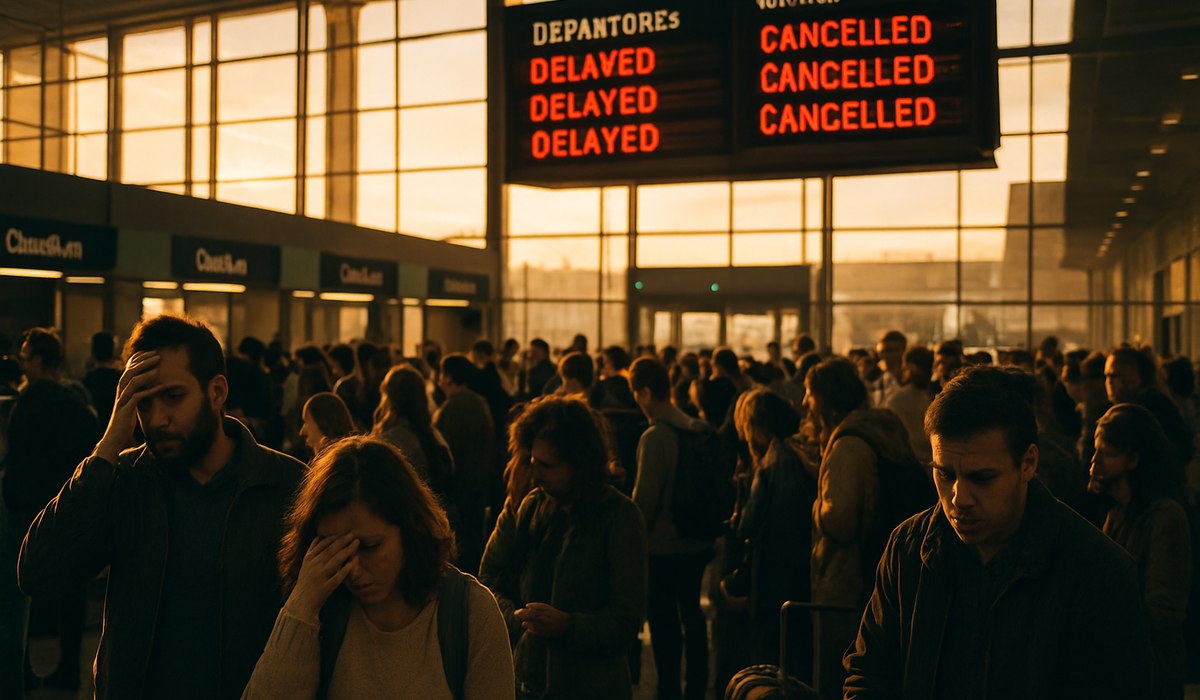
Image generated by AI
Hundreds Stranded as Pilot Strike Grounds Nairobi Airport Operations
Jomo Kenyatta International Airport faced severe operational disruptions in early May 2026 when pilots launched a coordinated strike, leaving hundreds of passengers stranded across both domestic and international routes. The labor action at Kenya's primary aviation gateway triggered cascading flight cancellations and multi-hour delays throughout the busy holiday travel period. Families, business travelers, and transit passengers competing for limited rebooking options experienced uncertainty about departure times, with some itineraries pushed back by 24 hours or more.
Flights Delayed and Canceled as Industrial Action Bites
The pilot strike JKIA operation unfolded with striking speed, causing immediate chaos across the airport's departure and arrival schedules. Coordinated work stoppage by qualified flight crews serving routes in and out of Nairobi forced airlines to cancel flights outright rather than risk operating without experienced pilots. Long queues formed at check-in counters and departure boards displayed delay notices across dozens of scheduled services.
Ground staff worked frantically to rebook passengers on later flights, but peak May travel demand meant spare capacity was virtually nonexistent. Kenya Airways, the airport's anchor carrier, and several regional operators issued urgent advisories asking travelers to monitor flight status and arrive early. Many carriers implemented schedule consolidation strategies, combining lightly booked services and adjusting crew rotations to maximize operational efficiency with available personnel.
The work stoppage stemmed from months of escalating labor tensions in Kenya's aviation sector. Union representatives had repeatedly voiced concerns regarding pilot compensation, staffing shortages, and workplace conditions. Previous industrial disputes involving air traffic control personnel had already demonstrated the vulnerability of Nairobi's hub to labor unrest, yet negotiations had stalled before the May walkout occurred.
Stranded Travelers Face Long Queues and Missed Connections
Passengers already at the airport when disruptions began experienced extended waits at security checkpoints and boarding gates. Some aircraft remained grounded for hours before being officially removed from departure schedules. Families returning from holidays, executives on business travel, and connecting passengers through Nairobi all competed intensely for limited alternative flight options across multiple days.
The cascading impact proved particularly severe for travelers holding tight onward connections to other African cities, Gulf region destinations, and European capitals. When passengers missed their primary flights, partner airlines and connecting airports dependent on JKIA's role as a regional transportation hub experienced secondary delays and cancellations. The disruption rippled far beyond Kenya's borders, affecting international networks that rely on Nairobi's connectivity.
Airport infrastructure struggled under the sudden surge of stranded travelers. Seating areas became completely filled, food and beverage outlets faced overwhelming demand, and baggage claim halls experienced congestion as anxious passengers awaited rebooking confirmation. Airline staff provided limited information about revised departure times, leaving many travelers uncertain about when they might finally reach their destinations. Overnight stays became necessary for thousands of passengers, creating additional accommodation costs and logistical complications.
Airlines Consolidate Services Amid Crew Shortages
Network carriers responded by implementing triage strategies, prioritizing what they termed "core and high-demand routes" to preserve essential connectivity. Schedule consolidation involved merging multiple flights onto single aircraft, rerouting planes to different routes, and reassigning crew members across the network to maximize operational capacity with available pilots.
Kenya Airways, as JKIA's principal operator, focused intensively on maintaining regional links to major African cities and key international partner destinations. Smaller regional carriers flying domestic and short-haul sectors similarly restructured timetables, shifting departure times into periods offering better crew utilization. Industry analysts noted that carriers possessed minimal slack in spare aircraft or standby pilot reserves, making sudden operational shocks extraordinarily difficult to absorb.
Technical maintenance issues affecting portions of the existing aircraft fleet further constrained flexibility during the crisis period. Recovery timelines extended beyond the strike's official conclusion, as airlines methodically worked through backlogs of displaced passengers and repositioned aircraft to proper maintenance bases. Full schedule normalization required several additional days as crew fatigue regulations and crew positioning requirements prevented immediate service restoration across all routes.
Deeper Labor Tensions in Kenya's Aviation Sector
The May 2026 pilot strike at Jomo Kenyatta International Airport reflected broader systemic challenges within Kenya's aviation workforce. Compensation packages for qualified pilots have remained controversial, with union representatives arguing that international salary standards should apply. Staffing levels at Kenya Airways and regional operators have declined relative to passenger demand growth, creating scheduling pressure and fatigue concerns among flight crews.
Working conditions, particularly concerning maximum flight hour limitations and minimum rest periods between assignments, generated significant friction between management and pilot unions. Previous labor disputes involving ground staff and air traffic controllers had already demonstrated the sector's vulnerability to coordinated industrial action. Airport management and airline leadership had engaged in extended negotiations before the work stoppage, but key disagreements persisted regarding compensation restructuring and staffing expansion commitments.
The strike underscores Kenya's critical dependence on JKIA as a regional transportation hub and its exposure to labor market dynamics. Investors and tourism operators expressed concern about operational reliability, with ongoing uncertainty about future labor relations affecting business confidence. Industry observers recommended both institutional reforms addressing workforce grievances and contingency planning for future labor disputes.
Key Data: Pilot Strike JKIA Impact Summary
| Metric | Details |
|---|---|
| Airport Affected | Jomo Kenyatta International Airport (JKIA), Nairobi |
| Strike Date | Early May 2026 |
| Passengers Stranded | Hundreds across domestic and international routes |
| Primary Cause | Coordinated pilot labor action over compensation and conditions |
| Flight Status | Widespread delays (hours) and outright cancellations |
| Recovery Timeline | Multiple days for schedule normalization |
| Affected Airlines | Kenya Airways and regional carriers operating from JKIA |
| Peak Impact Period | Holiday travel season with minimal spare capacity |
| Infrastructure Strain | Airport terminals overcrowded; food, seating, baggage services overwhelmed |
| Geographic Reach | Disruptions affected connections to African cities, Gulf, and Europe |
What This Means for Travelers
Numbered actionable strategies for travelers affected by aviation labor disputes:
-
Monitor labor situation actively. Check union announcements and airline statements before booking flights through major African hubs. Subscribe to travel alert services from Kenya Civil Aviation Authority and participating airlines for real-time disruption notifications.
-
Build schedule buffers. When connecting through Nairobi or similar regional hubs, allow minimum 4-hour layovers on international connections and 2-3 hours for domestic links. This buffer accommodates potential delays without sacrificing onward journey success.
-
Purchase comprehensive travel insurance. Select policies explicitly covering labor strikes, airline bankruptcies, and operational disruptions. Standard coverage may exclude strike-related cancellations, so verify policy language carefully before purchase.
-
Develop flexible booking strategies. Use airline websites directly rather than exclusively relying on third-party platforms. Maintain documentation of all confirmation emails and booking references for rapid rebooking if disruptions occur.
-
Prepare contingency communication plans. Establish contact protocols with your airline, accommodation providers, and travel companions. Maintain updated lists of customer service phone numbers, email addresses, and social media accounts for rapid assistance during disruptions.
Frequently Asked Questions About Pilot Strikes and Travel Disruptions
What causes pilot strikes at major African airports?
Pilot strikes typically stem from compensation disagreements, staffing shortages, workplace safety concerns, and unsustainable work hour regulations. Nairobi's aviation sector has experienced recurring labor tensions due to international salary disparities and operational pressures on flight crews serving regional and long-haul routes.
**How long do typical recovery
Disclaimer
This article is for informational and educational purposes only. It does not constitute legal, financial, or professional advice. While we strive to provide accurate and up-to-date information, travel policies, regulations, and conditions change rapidly. Always verify information with official sources before making travel decisions. Nomad Lawyer makes no representations about the accuracy, reliability, completeness, or suitability of the information provided. Readers should consult qualified professionals for advice specific to their circumstances. The views expressed in this article are those of the author and do not necessarily reflect the views of Nomad Lawyer.
Preeti Gunjan
Contributor & Community Manager
A passionate traveller and community builder. Preeti helps grow the Nomad Lawyer community, fostering engagement and bringing the reader experience to life.
Learn more about our team →