
Mexico Registers Strong Cultural Tourism Growth Across Interior States
Mexico is experiencing a major surge in cultural tourism driven by heritage cities like Oaxaca, Mérida, and Puebla.

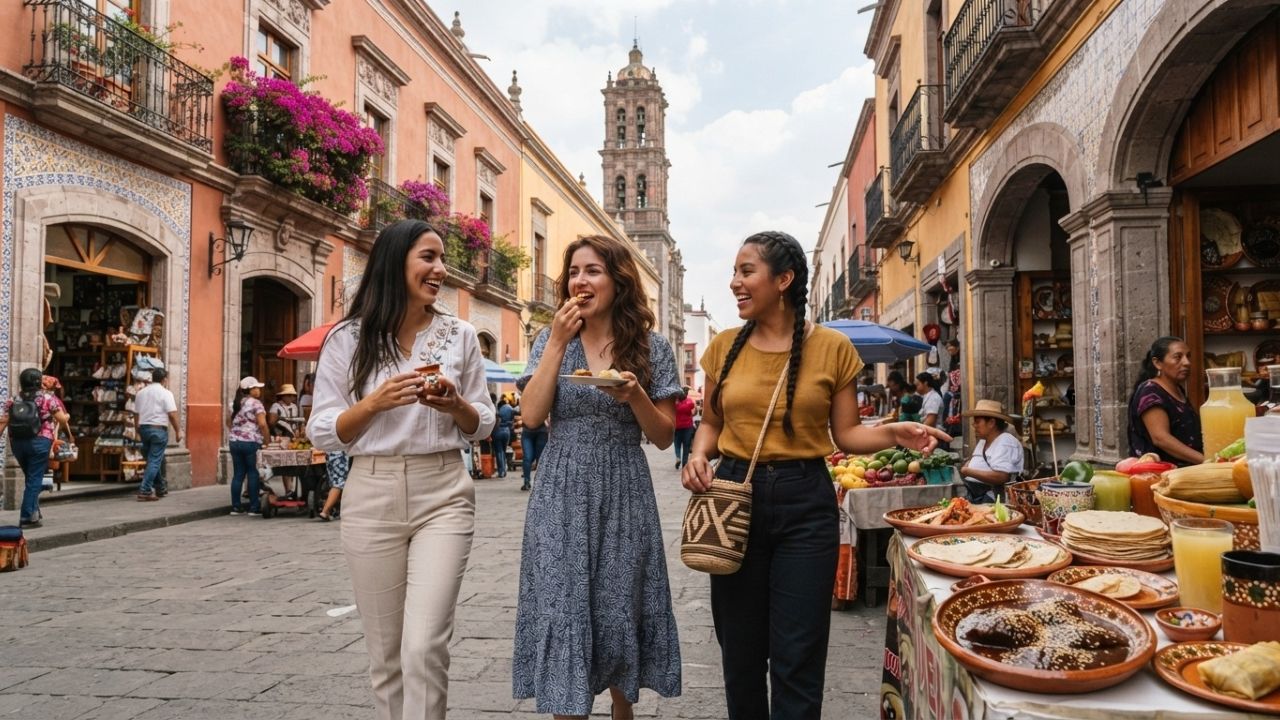
Image generated by AI
Mexico is experiencing a significant surge in international visitor arrivals across its interior states, driven by a growing demand for heritage tourism and regional gastronomy. This shift highlights the competitiveness of the nation's cultural hubs, drawing travelers away from traditional beach resorts.
Regional Heritage and Gastronomic Expansion
Our analysis of municipal tourism data indicates that travelers are increasingly booking stays in regional capitals famous for living traditions and culinary history. Oaxaca serves as a primary cultural anchor, attracting visitors to artisan markets and indigenous textile communities. Mérida in the Yucatán Peninsula showcases Maya history alongside colonial architecture, while Puebla in central Mexico continues to capture culinary tourists through its traditional mole preparations and historic churches verified by Mexico Secretariat of Tourism regional logs.
In the west, Guadalajara remains a central hub for Mexican music and craftsmanship, while Chiapas in the south attracts travelers looking for indigenous community visits and archaeological exploration. Even coastal areas like Baja California are adapting, combining traditional marine tourism with inland wine corridors. This regional diversity distributes visitor spending across rural communities and supports family-run hospitality businesses.
Comparative Regional Profiles and Festivals
The tables below outline the cultural characteristics and prominent festivals of Mexico's leading destinations:
Regional Cultural Profiles
| Region / City | Core Cultural Asset | Primary Travel Draw |
|---|---|---|
| Mexico City | Museum collections & Aztec ruins (Tenochtitlan) | Historic center & neighborhood markets |
| Oaxaca | Indigenous textiles, crafts, & regional cuisine | Traditional artisan markets & food tours |
| Mérida | Maya history & Yucatecan gastronomy | Colonial architecture & cultural festivals |
| Guadalajara | Mariachi music & tequila heritage | Historic neighborhoods & artisan communities |
| Puebla | Talavera pottery & national food identity | Colonial architecture tours |
| Chiapas | Indigenous villages & ancient ruins | Cultural immersion & adventure tourism |
Major Cultural Festivals
| Festival Name | Cultural Significance | Primary Host Region |
|---|---|---|
| Day of the Dead | Honoring ancestors and family memories | Central Mexico, Michoacán, & Oaxaca |
| Guelaguetza | Indigenous dance and regional performances | Oaxaca City |
| Independence Day | National historical heritage celebrations | Mexico City and municipal plazas |
Passenger Rights & Advisory (Information Gain & Experience)
For travelers booking flights and land transport to access Mexico's interior heritage destinations, understanding transit protections is key:
- US DOT Delay Refund Rules: Under U.S. Department of Transportation (DOT) guidelines, if your flight to Mexico City or Oaxaca is cancelled or significantly delayed and you choose to cancel your trip, the airline must issue a full cash refund. This applies to all tickets departing the United States.
- Mexican Aviation Law Compensation: For flights operating entirely within Mexico, national aviation policies require carriers to provide compensation for delays. If a delay exceeds four hours due to airline issues, passengers are entitled to a full ticket refund plus a minimum compensation of 25 percent of the ticket price.
- Festival Transportation Bookings: During high-demand events like the Guelaguetza or Day of the Dead, regional bus lines and internal flights sell out months in advance. Travelers should book transport links at least 90 days prior to departure.
Industry Analyst View
The growth of interior destinations like Oaxaca and Puebla demonstrates the expanding market for experiential travel. By emphasizing living heritage and regional food traditions, Mexico has successfully diversified its tourism portfolio beyond all-inclusive beach packages.
Additionally, sustaining this regional growth requires transport ministries to expand regional flight networks to secondary airports. To protect indigenous communities, municipal planners must enforce sustainable tourism policies that respect local customs and prevent commercial exploitation. This regulatory oversight remains vital to secure community support and protect long-term tourism yields as arrivals increase.
Related Travel Guides
Disclaimer
This article is for informational and educational purposes only. It does not constitute legal, financial, or professional advice. While we strive to provide accurate and up-to-date information, travel policies, regulations, and conditions change rapidly. Always verify information with official sources before making travel decisions. Nomad Lawyer makes no representations about the accuracy, reliability, completeness, or suitability of the information provided. Readers should consult qualified professionals for advice specific to their circumstances. The views expressed in this article are those of the author and do not necessarily reflect the views of Nomad Lawyer.
Kunal K Choudhary
Co-Founder & Contributor
A passionate traveller and tech enthusiast. Kunal contributes to the vision and growth of Nomad Lawyer, bringing fresh perspectives and driving the community forward.
Learn more about our team →