
Mallorca Pivots to Luxury Tourism in 2026 to Combat Overtourism and Attract High-Net-Worth US Travelers
Mallorca is restructuring its tourism model to replace mass-market crowds with affluent, high-spending visitors, specifically targeting the North American luxury market to protect environmental and cultural assets.

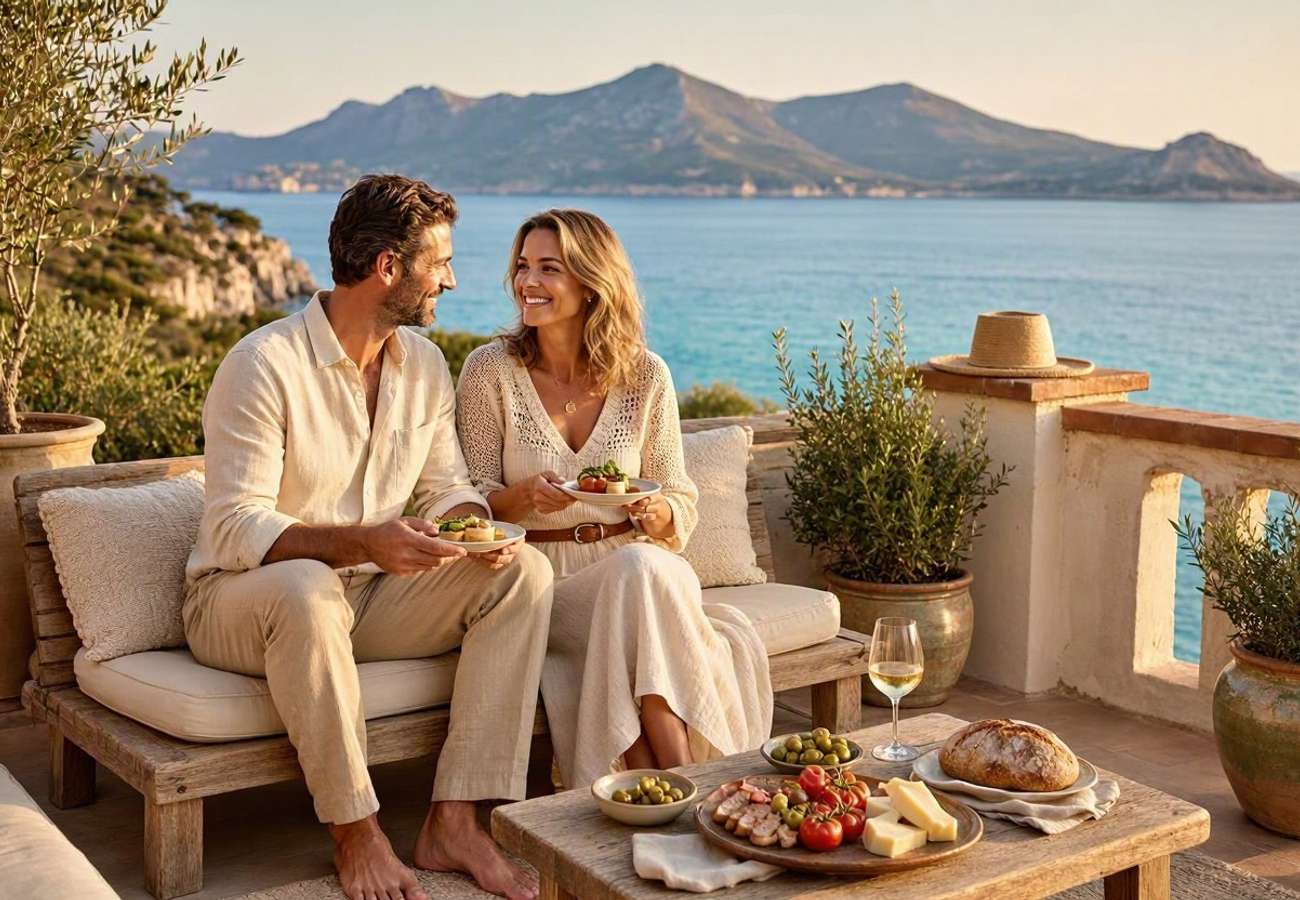
Image generated by AI
[Palma, September 30, 2026] — Mallorca is aggressively restructuring its economic model to replace high-volume, mass-market tourism with a strategic focus on affluent, high-net-worth individuals. Local authorities are pivoting away from the "numbers game" of visitor counts to prioritize "quality over quantity," aiming to protect the island's natural landscapes and cultural heritage from the degradation caused by overtourism.
The strategic shift specifically targets wealthy North American families and culturally minded travelers who demonstrate higher per-capita spending and a greater respect for local customs. This move is designed to mitigate the environmental strain caused by millions of seasonal visitors while maintaining or increasing total regional revenue through luxury expenditures.
The Catalyst for Strategic Pivot
For years, Mallorca has struggled under the weight of its own popularity, particularly with budget-conscious travelers from the United Kingdom and Germany. This reliance on mass-market tourism led to severe infrastructure bottlenecks, the proliferation of dense resort complexes, and the erosion of the island's "Mediterranean soul."
Local leaders have determined that the previous model—characterized by rowdy nightlife and low-spend package holidays—is unsustainable. By courting a demographic that seeks exclusive, immersive experiences, the Government of the Balearic Islands aims to decouple economic growth from physical visitor density.
Visitor Volume and Economic Metrics
The scale of the logistical burden is evident in recent seasonal data. The island's infrastructure is currently strained by a massive influx of visitors, many of whom contribute minimally to the local economy relative to the environmental cost.
Mallorca Tourism Data Analysis (2026)
| Metric | Value | Percentage/Detail |
|---|---|---|
| Total Annual Visitors | 13.4 Million | Combined International & Domestic |
| International Arrivals | 11.6 Million | 87% of total volume |
| Domestic Travelers | 1.8 Million | 13% of total volume |
| Total Annual Spending | €16 Billion | Total regional revenue |
| Luxury Spend (Palma) | 27.3% | Share of total foreign expenditure |
| Avg. EU Daily Spend | €110 – €180 | Per person (UK/Germany) |
| Avg. US Trip Spend | €2,500+ | Per trip (High-net-worth) |
Who Is Impacted by the Shift
The transition to a high-value model creates distinct winners and losers within the regional economy:
- Luxury Hospitality & Retail: Boutique hotels, high-end gastronomy, and premium retail sectors in Palma and Calvià are expected to see significant growth.
- Rural Enterprises: Small cafes, independent guides, and boutique accommodations in the interior are benefiting as luxury travelers venture beyond the coast.
- Mass-Market Operators: Budget tour operators and low-cost resort chains may face decreased demand as the island discourages low-spend, high-density tourism.
- Local Residents: Municipalities hope for reduced pressure on water systems and public services, alongside a more respectful visitor demographic.
What This Means for Travelers
For the average traveler, Mallorca is becoming a more expensive and exclusive destination. The "party island" image is being systematically replaced by a brand centered on "slow living" and elite experiences.
For the Affluent Traveler: Visitors will find an expanded array of high-end services. This includes professional-grade sports training at the Rafa Nadal Academy, private yacht charters to secluded coves, and curated culinary tours through the Mercat de Santa Catalina.
For the Budget Traveler: Those seeking low-cost package deals may find fewer options and increased pricing. The island is intentionally moving away from the "all-inclusive" mass-market model to reduce the physical footprint of tourism.
The Blueprint for Luxury Integration
The rebranding effort leverages Mallorca's untapped potential as a rival to the Amalfi Coast or the French Riviera. Rather than focusing solely on beaches, the strategy emphasizes three core pillars:
- Active Elite Tourism: Promoting competitive cycling, sailing, and mountain biking to disperse crowds into the rural interior.
- Heritage Preservation: Directing high-spending visitors toward historic settlements like Valldemossa, Deià, Sóller, Pollença, and Banyalbufar.
- Epicurean Exploration: Shifting the focus from resort buffets to authentic Mediterranean gastronomy and artisanal local products.
By integrating these elements, Mallorca is positioning itself as a premier haven for the next generation of global explorers who prioritize authenticity over accessibility.
FAQ: Mallorca Luxury Pivot 2026
Is Mallorca becoming too expensive for regular tourists? Yes. The strategic shift intentionally targets higher spending brackets to reduce visitor volume. While not closed to budget travelers, the availability of low-cost options is decreasing in favor of luxury offerings.
Which areas of the island are best for "slow travel"? The mountain and coastal villages of Valldemossa, Deià, and Sóller offer the most authentic, unhurried experiences away from the congested resort districts.
What are the top luxury activities in Mallorca now? High-net-worth travelers are prioritizing private yacht excursions, elite tennis training at the Rafa Nadal Academy, and gourmet tours of Palma's traditional food hubs.
How does this change affect flight availability? The region is looking to improve direct connectivity with North American hubs to facilitate easier access for high-spending US travelers.
Mallorca is no longer selling a room; it is selling a refined Mediterranean lifestyle.
Related Travel Guides
Disclaimer
This article is for informational and educational purposes only. It does not constitute legal, financial, or professional advice. While we strive to provide accurate and up-to-date information, travel policies, regulations, and conditions change rapidly. Always verify information with official sources before making travel decisions. Nomad Lawyer makes no representations about the accuracy, reliability, completeness, or suitability of the information provided. Readers should consult qualified professionals for advice specific to their circumstances. The views expressed in this article are those of the author and do not necessarily reflect the views of Nomad Lawyer.
Raushan Kumar
Founder & Lead Developer
Full-stack developer with 11+ years of experience and a passionate traveller. Raushan built Nomad Lawyer from the ground up with a vision to create the best travel and law experience on the web.
Learn more about our team →