
Spain's Menorca and La Gomera Emerge as Top Sustainable Nature Destinations for 2026
Travelers are pivoting away from overpopulated hotspots toward Menorca and La Gomera, focusing on UNESCO Biosphere reserves and ancient laurel forests for authentic 2026 nature travel.

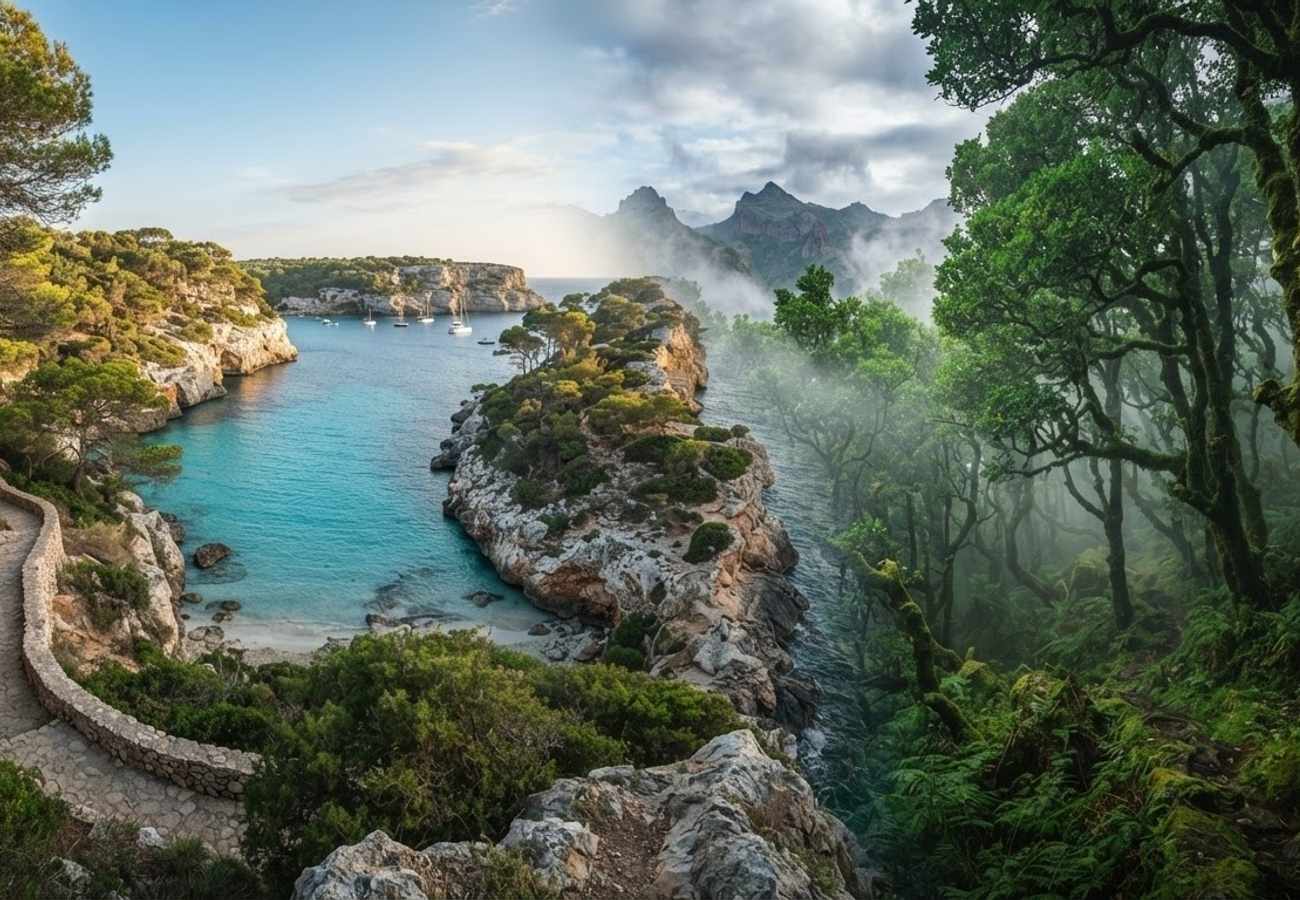
Image generated by AI
The shift toward "slow travel" has reached a tipping point in 2026, with high-value tourists abandoning overcrowded hubs for the preserved landscapes of Menorca and La Gomera. This movement reflects a broader European trend where authenticity and environmental stewardship outweigh the appeal of traditional mass-market resorts.
The Pivot Toward Low-Impact Island Tourism
As overtourism continues to reshape holiday planning across Europe, Spain is seeing a strategic redistribution of visitor traffic. Travelers are intentionally bypassing the high-density zones of Mallorca and Ibiza in favor of destinations that prioritize ecological integrity and cultural preservation.
Menorca, situated in the Balearic Islands, and La Gomera, part of the Canary archipelago, have become the primary beneficiaries of this trend. While they offer vastly different climates and geographies, both islands share a commitment to sustainable tourism practices that protect their natural assets from the volatility of mass tourism.
Menorca: The Mediterranean Biosphere Alternative
Menorca has carved a distinct identity separate from its more commercialized neighbors. By leveraging its status as a UNESCO Biosphere Reserve, the island has attracted a demographic focused on environmental conservation and quietude.
The primary draw remains the "calas"—hidden coves characterized by crystal-clear turquoise waters and minimal shoreline development. Unlike the high-rise corridors found elsewhere in the Balearics, Menorca’s infrastructure is geared toward low-density exploration and the preservation of historic settlements.
Menorca Coastal Asset Analysis
| Attraction | Primary Travel Appeal | Strategic Value |
|---|---|---|
| Cala Beaches | Crystal-clear Mediterranean waters | High-demand nature retreats |
| Coastal Trails | Outdoor exploration | Low-impact pedestrian tourism |
| Fishing Villages | Authentic local culture | Cultural heritage preservation |
| Historic Towns | Heritage tourism | Urban sustainability |
| Protected Landscapes | Sustainable travel experiences | UNESCO Biosphere compliance |
La Gomera: A Stronghold for Adventure and Ecology
While Menorca offers Mediterranean serenity, La Gomera provides a rugged, vertical landscape designed for the active traveler. The island is anchored by Garajonay National Park, which protects ancient laurel forests—some of the most ecologically significant environments in the Canary Islands.
La Gomera has successfully positioned itself as a hub for "wellness" and "slow travel," catering to hikers, nature photographers, and those seeking a complete disconnection from urban environments. The tourism model here is built on nature-based activities and small-community engagement rather than large-scale hotel development.
Comparative Regional Analysis: Menorca vs. La Gomera
| Destination | Location | Primary Appeal | Ideal Traveler Profile |
|---|---|---|---|
| Menorca | Balearic Islands | Hidden beaches, heritage towns | Families, slow travelers, beach enthusiasts |
| La Gomera | Canary Islands | Ancient forests, volcanic peaks | Hikers, adventure seekers, ecologists |
International Demand and Market Drivers
The surge in interest is not localized to one region. Data indicates a diversified international demand, with different markets seeking specific values from these islands:
- United Kingdom: High interest in Mediterranean beach escapes and hiking.
- Germany: Strong demand for protected landscapes and sustainable walking routes.
- France: Focus on gastronomic authenticity and historic village exploration.
- Netherlands: Preference for active holidays, specifically cycling and coastal trekking.
- United States: Increasing interest in "off-the-beaten-path" European heritage sites.
Traveler Logistics Guide: Navigating the Hidden Islands
From a ground-level perspective, visiting these islands requires a different approach than a standard resort holiday. Because these destinations prioritize sustainability, infrastructure is more limited.
Booking and Connectivity For Menorca, flights typically connect through Palma de Mallorca or Madrid. To maintain the "slow travel" experience, it is recommended to rent electric vehicles or bicycles, as many of the best calas are accessible only via pedestrian trails.
For La Gomera, the primary gateway is Tenerife. Travelers must coordinate ferry schedules from Los Cristianos. Be aware that ferry crossings can be affected by Atlantic swells; always allow a minimum 4-hour buffer between your flight arrival in Tenerife and your ferry departure to La Gomera.
Navigating Regulations
- Environmental Permits: Some areas within Garajonay National Park may require guided access or specific permits during peak ecological nesting seasons.
- Digital Transit: Utilize the Spanish government's updated digital entry systems to expedite customs, especially when transitioning between the Canary and Balearic regions.
- Sustainable Conduct: Both islands strictly enforce "Leave No Trace" policies. Avoid single-use plastics, as local municipalities are aggressively phasing them out to protect the Biosphere and National Park statuses.
Infrastructure Impact Assessment
The rise of Menorca and La Gomera signals a structural change in Spanish tourism. By diversifying the "Spain experience," the national tourism board is effectively reducing the socio-economic pressure on cities like Barcelona and Madrid. This redistribution not only preserves the environment but ensures that economic benefits reach smaller, rural communities. The shift from "quantity of tourists" to "quality of experience" is creating a more resilient tourism economy that can withstand the volatility of mass-market trends.
The era of the mega-resort is fading, replaced by the quiet luxury of an untouched coastline and an ancient forest.
Related Travel Guides
Disclaimer
This article is for informational and educational purposes only. It does not constitute legal, financial, or professional advice. While we strive to provide accurate and up-to-date information, travel policies, regulations, and conditions change rapidly. Always verify information with official sources before making travel decisions. Nomad Lawyer makes no representations about the accuracy, reliability, completeness, or suitability of the information provided. Readers should consult qualified professionals for advice specific to their circumstances. The views expressed in this article are those of the author and do not necessarily reflect the views of Nomad Lawyer.
Raushan Kumar
Founder & Lead Developer
Full-stack developer with 11+ years of experience and a passionate traveller. Raushan built Nomad Lawyer from the ground up with a vision to create the best travel and law experience on the web.
Learn more about our team →