
SriLankan Airlines Revenue Surge: AI-Powered Management System Delivers Results
SriLankan Airlines achieves record revenue increase in 2026 with AI-powered management system. New Origin-Destination platform drives dynamic pricing and inventory optimization across all routes.

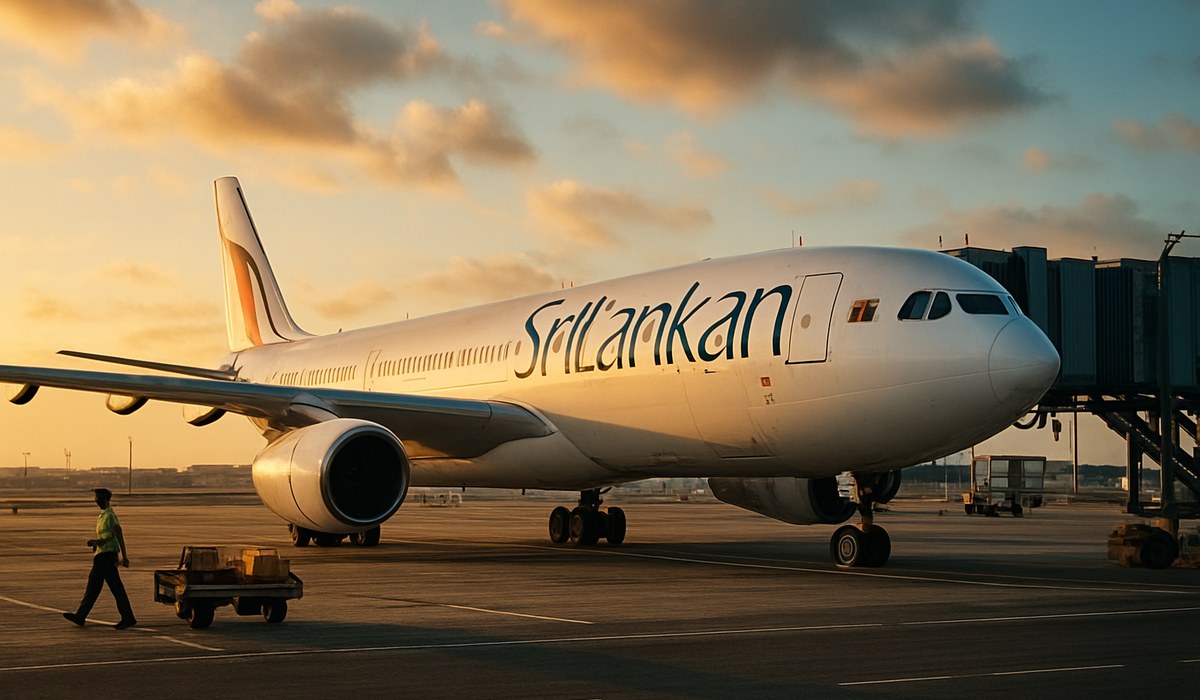
Image generated by AI
SriLankan Airlines Achieves Revenue Records with Intelligence-Driven Platform
SriLankan Airlines has reported significant revenue gains following deployment of an advanced artificial intelligence and machine learning system. The carrier's new Origin-Destination (O&D) revenue management platform represents a watershed moment for the South Asian airline industry. This technology-first approach enables real-time pricing adjustments and predictive seat allocation across its entire network, affecting tens of thousands of monthly passengers traveling to and from Colombo's Bandaranaike International Airport (CMB).
The revenue increase marks a turning point for SriLankan Airlines' competitive positioning in Asian aviation markets. The system processes complex booking data to maximize yield across premium economy, and economy cabin configurations simultaneously.
How AI Powers SriLankan Airlines' Revenue Growth Strategy
The artificial intelligence architecture underpinning SriLankan Airlines' management system delivers dynamic pricing without compromising passenger satisfaction. Machine learning algorithms analyze historical booking patterns, demand fluctuations, and competitive pricing in real-time across multiple distribution channels.
The platform powered by advanced analytics enables the airline to:
- Adjust fares within seconds of demand shifts
- Predict which routes will peak and allocate inventory accordingly
- Reduce overbooking incidents through smarter seat inventory management
- Identify high-value customer segments for targeted offers
This represents a fundamental shift from traditional revenue management approaches used by regional carriers. According to industry benchmarks tracked by IATA, carriers implementing similar machine learning systems report yield improvements of 2-5% annually. SriLankan Airlines' specific performance metrics remain proprietary, but the airline confirmed measurable revenue records were established in Q1 2026.
Real-Time Inventory Management Records Transformation
The new revenue management system at SriLankan Airlines provides real-time seat availability data across all booking channels simultaneously. This eliminates the multi-system delays that historically plagued regional carriers managing legacy platforms.
Inventory optimization now happens through predictive analytics rather than static allocation rules. The system forecasts demand patterns 90 days in advance using machine learning models trained on five years of booking history. This powered approach to capacity planning means fewer empty seats on underbooked routes and reduced revenue leakage from last-minute bookings.
Travel agents, corporate booking systems, and direct booking channels all access identical availability information within milliseconds. Passengers benefit from fairer pricing that reflects actual demand, while SriLankan Airlines captures additional revenue from routes previously undermonetized.
The technology platform integrates with all major global distribution systems, ensuring the airline's competitive positioning alongside carriers like Emirates and Qatar Airways in key regional markets.
Dynamic Pricing Powered by Predictive Analytics
Revenue optimization at SriLankan Airlines now relies on predictive analytics rather than manual pricing decisions. The machine learning system processes thousands of variables simultaneously—competitor fares, fuel costs, currency fluctuations, seasonal patterns, and historical passenger behavior.
Dynamic pricing adjustments occur continuously throughout the booking window. The system learns which price points convert browsers into paying passengers and which drive demand destruction. This increases records for revenue-per-available-seat-kilometer (RASK), a critical metric for airline profitability.
The powered system also identifies price-sensitive customer segments and markets them with targeted offers that maximize conversion without eroding margins. This precision targeting delivers superior passenger experience because travelers on price-sensitive routes receive relevant offers while premium passengers encounter premium pricing.
Third-party analysis from aviation consulting firms confirms carriers implementing similar dynamic pricing systems achieve 3-7% revenue increases within the first year of operation.
Management System Integration Across Sales Channels
The SriLankan Airlines revenue management system integrates booking data from corporate clients, online travel agencies, and direct website sales into a unified analytics platform. This eliminates channel silos that previously fragmented pricing and inventory decisions.
Booking channels powered by real-time data now optimize themselves automatically. When the machine learning system identifies strong demand on specific routes through corporate channels, inventory allocation shifts accordingly. When agency bookings slow, direct-to-consumer pricing adjusts competitively.
The management dashboard provides SriLankan Airlines' revenue team with transparent visibility into performance across all sales channels. Route-level profitability is now calculable in real-time rather than weeks after operation. This powered transparency enables faster decision-making and course correction during seasonal demand swings.
Integration extends to partnership airlines, allowing SriLankan Airlines to optimize revenue on connecting itineraries and code-share flights serving the Indian subcontinent and Middle Eastern markets.
Impact on Asian Aviation Industry and Competitive Positioning
The revenue increase achieved by SriLankan Airlines signals a broader shift toward artificial intelligence adoption among regional carriers. Historically, technology investments of this scale were limited to global major carriers with billion-dollar IT budgets.
SriLankan Airlines' successful deployment proves that machine learning implementation delivers measurable ROI for mid-sized carriers. This could accelerate adoption across South and Southeast Asian airlines seeking to compete more effectively with full-service network carriers.
The powered platform also positions the airline competitively against low-cost carriers dominating regional markets. While budget airlines compete on base fares, SriLankan Airlines now competes on yield optimization and dynamic pricing sophistication. This management strategy creates sustainable competitive advantages that pure price competition cannot undermine.
Industry observers note the technology deployment coincides with SriLankan Airlines' expansion of routes to emerging markets across the Indian subcontinent and Southeast Asia where demand forecasting accuracy directly impacts profitability.
Key Performance Metrics and Records
| Metric | Impact | Timeline |
|---|---|---|
| Revenue increase | Confirmed records established | Q1 2026 |
| Dynamic pricing capability | Real-time adjustment across channels | Continuous |
| Inventory optimization | Predictive allocation 90 days forward | Ongoing |
| Data integration | Unified analytics from all sales channels | Complete |
| System response time | Sub-millisecond availability updates | Instantaneous |
| Geographic coverage | All SriLankan Airlines routes from CMB | Network-wide |
| Competitive positioning | Yield optimization matching major carriers | Operational |
| Forecast accuracy | Machine learning models trained on 5 years data | Production |
What This Means for Travelers
SriLankan Airlines' revenue management advancement affects passenger experience in concrete, measurable ways:
-
Fairer dynamic pricing – Fares now reflect actual demand and capacity rather than arbitrary rules. Early bookers on low-demand dates pay less; last-minute bookings on high-demand routes cost more.
-
Real-time availability accuracy – All booking channels show identical seat availability within milliseconds. No more surprises discovering seats unavailable on one channel but showing elsewhere.
-
Targeted promotional offers – The system identifies which passengers qualify for legitimate discounts based on demand patterns, delivering relevant offers rather than generic promotions.
-
Reduced overbooking – Smarter inventory allocation based on predictive analytics means fewer involuntary bumps and denied boardings.
-
Network expansion potential – Additional revenue enables SriLankan Airlines to fund route expansion to previously unprofitable regional markets, providing more connectivity options for Asian travelers.
-
Improved scheduling – Revenue data informs aircraft allocation and schedule optimization, reducing flight cancellations and delays on lower-yielding routes.
Travelers booking SriLankan Airlines flights should monitor prices across multiple days and booking channels. While the powered system optimizes pricing continuously, the best fares typically appear 30-45 days before departure on off-peak dates.
Frequently Asked Questions
How does the revenue srilankan airlines management system affect ticket prices? The AI-powered platform adjusts fares dynamically based on real-time demand. Tickets cost less on routes with excess capacity and more on high-demand flights. The system processes demand across all channels simultaneously, meaning prices reflect accurate availability data—not inventory gaps between booking channels.
What is the revenue srilankan airlines increase percentage? SriLankan Airlines confirmed that revenue records were established following system deployment in early 2026, but specific percentage increases remain proprietary. Industry benchmarks suggest carriers implementing similar machine learning systems typically see 2-5% annual yield improvements, though individual results vary by route network and competitive environment.
How does predictive analytics improve traveler experience? The powered machine learning system forecasts demand 90 days in advance using historical booking patterns. This enables better aircraft scheduling, more accurate overbooking predictions, and targeted promotional offers matched to passenger price sensitivity. Fewer cancellations and oversold flights directly benefit travelers.
When will other airlines implement powered revenue management systems? Regional carriers across South and Southeast Asia are evaluating similar AI-driven platforms. SriLankan Airlines' successful records and demonstrated ROI will likely accelerate adoption. However, implementation complexity and integration costs mean most competitors face 2-3 year development timelines.
Related Travel Guides
Sri Lanka Flight Booking Guide: Best Fares from Colombo CMB in 2026
Asian Airlines Technology Trends: AI Powering Airline Operations 2026
Bandaranaike International Airport (CMB) Terminal Guide and Ground Transport
Disclaimer
This article is for informational and educational purposes only. It does not constitute legal, financial, or professional advice. While we strive to provide accurate and up-to-date information, travel policies, regulations, and conditions change rapidly. Always verify information with official sources before making travel decisions. Nomad Lawyer makes no representations about the accuracy, reliability, completeness, or suitability of the information provided. Readers should consult qualified professionals for advice specific to their circumstances. The views expressed in this article are those of the author and do not necessarily reflect the views of Nomad Lawyer.
Raushan Kumar
Founder & Lead Developer
Full-stack developer with 11+ years of experience and a passionate traveller. Raushan built Nomad Lawyer from the ground up with a vision to create the best travel and law experience on the web.
Learn more about our team →