
Hidden US Beach Destinations Emerge as Top Alternatives to Crowded Coastal Hotspots in 2026
Travelers are abandoning overcrowded hubs like Miami and Santa Monica for secluded US coastal gems, driving a surge in sustainable tourism across Florida, the East Coast, and California.

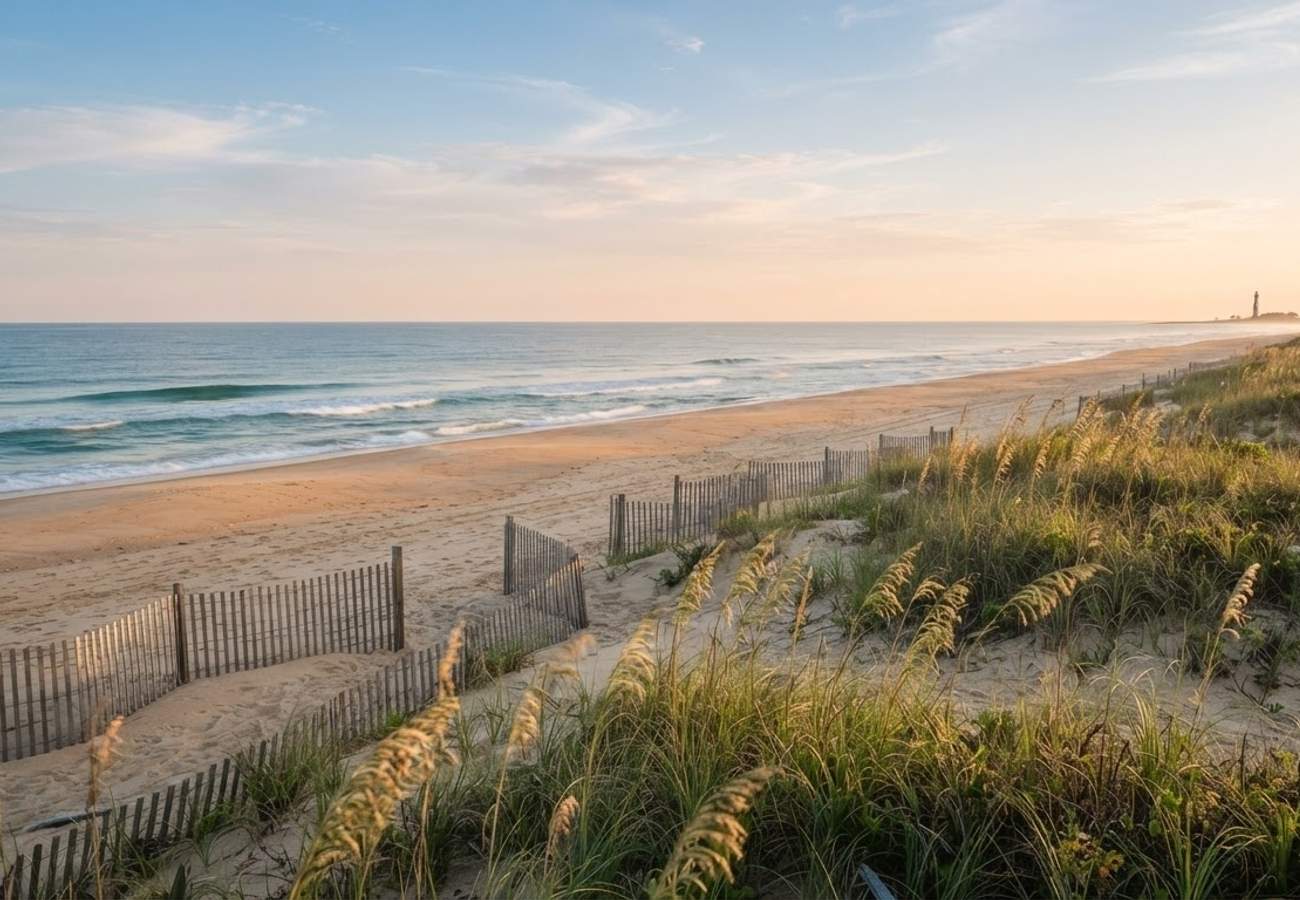
Image generated by AI
The era of the "mega-resort" is fading as travelers swap the congestion of Miami and Santa Monica for secluded coastal sanctuaries. A significant shift in US tourism is underway, prioritizing authenticity and serenity over Instagram-famous crowds.
The American travel landscape is undergoing a fundamental transformation. Visitors are increasingly bypassing internationally recognized coastal hubs in favor of smaller beach towns that offer pristine shorelines and genuine community connections. This movement toward "hidden" destinations is not merely a trend but a response to the systemic pressures—rising costs, infrastructure strain, and extreme overcrowding—found in traditional tourism gateways.
The Catalyst for the Shift Toward Secluded Shores
For decades, the travel industry focused on a handful of high-visibility locations. However, the saturation of these areas has led to a decline in the quality of the visitor experience. Modern travelers are now actively seeking a "slower" holiday, characterized by meaningful interactions and a reduced environmental footprint.
According to the US National Travel and Tourism Office, domestic and international travel patterns are evolving. There is a measurable increase in demand for diverse experiences that exist outside the traditional tourist corridors.
The primary drivers for this migration include:
- Space and Privacy: A desire for expansive beaches without the density of urban coastal strips.
- Economic Value: Seeking better value for money as accommodation prices in major hubs soar.
- Cultural Authenticity: A preference for independent shops and family-owned eateries over corporate chains.
- Nature-Centricity: A focus on wildlife, hiking, and raw natural beauty.
Regional Breakdowns of Emerging Coastal Gems
Florida’s Low-Profile Paradises
While Florida remains a powerhouse of American tourism, the focus is shifting from the neon lights of South Beach toward the Gulf Coast and the quieter reaches of the Florida Keys.
Destinations such as Islamorada and Key Largo are seeing increased traffic from those seeking a Caribbean-style atmosphere without the logistical nightmare of the most crowded hubs. These areas specialize in high-value marine activities, including:
- Professional diving and snorkeling in coral reefs.
- Specialized sport fishing.
- Immersive wildlife encounters in protected marine parks.
The Atlantic Coast’s Quiet Renaissance
The East Coast is seeing a resurgence in interest toward states like Maine, Rhode Island, Virginia, and North Carolina. These regions offer a stark contrast to the resort-heavy atmosphere of the South, focusing instead on historic charm and seafood culture.
North Carolina’s Outer Banks serve as a primary example of this shift. The region attracts visitors through its combination of wide, undeveloped beaches and significant historic sites, offering a slower pace of life that appeals to families and couples.
California’s Underrated Pacific Coastline
Beyond the well-trodden paths of Los Angeles and San Diego, California’s smaller shoreline communities are gaining traction. Travelers are opting for these areas to experience the majesty of the Pacific without the urban congestion.
These emerging spots are becoming hubs for:
- Coastal hiking and cliffside exploration.
- Localized surfing culture.
- Small-town dining and boutique hospitality.
Socio-Economic Impact on Local Communities
The redistribution of tourism from major cities to smaller towns is creating a powerful economic ripple effect. Spending is now flowing directly into local hotels, independent tour operators, and small-scale recreation businesses.
However, this growth brings a necessity for caution. To avoid repeating the mistakes of overcrowded hubs, local governments are implementing sustainable tourism strategies. The National Oceanic and Atmospheric Administration (NOAA) has emphasized the urgency of protecting coastal ecosystems as these "hidden" spots face increased human footprints.
Strategic Planning for the Quiet Escape
Visiting a lesser-known destination requires a different approach than booking a trip to a major city. Because these areas have fewer resources, travelers should adopt the following strategies:
- Early Procurement: Book accommodations well in advance, as smaller towns have limited inventory during peak seasons.
- Logistics Research: Public transport is often sparse; rental cars or private transport are usually essential.
- Conscious Consumption: Prioritize spending at family-owned businesses to ensure the economic benefits remain within the community.
- Environmental Stewardship: Adhere strictly to local wildlife and beach preservation rules to maintain the destination's integrity.
Comparative Analysis: Major Hubs vs. Hidden Gems
| Feature | Famous Coastal Hotspots | Hidden Beach Destinations |
|---|---|---|
| Crowd Density | High / Overwhelming | Low / Peaceful |
| Cost of Stay | Premium / Inflated | Moderate / Competitive |
| Atmosphere | Commercial / Fast-paced | Authentic / Relaxed |
| Local Interaction | Transactional | Personal / Community-based |
| Nature Access | Managed / Manicured | Raw / Preserved |
| Infrastructure | Extensive / Congested | Limited / Quiet |
Key Takeaways
- Trend Shift: Travelers are prioritizing "slow travel" and authenticity over famous landmarks.
- Top Alternatives: Islamorada (FL), Outer Banks (NC), and rural California coasts are leading the trend.
- Economic Boost: Tourism is diversifying, providing financial stability to smaller coastal towns.
- Sustainability: There is a growing emphasis on protecting marine ecosystems via NOAA guidelines.
Frequently Asked Questions
Why are people avoiding famous beaches like Miami? Visitors are citing extreme overcrowding, inflated hotel prices, and a lack of authentic local culture as primary reasons for seeking alternatives.
Which states offer the best hidden beach experiences? Florida (Gulf Coast/Keys), North Carolina (Outer Banks), Maine, Rhode Island, and rural California are currently high-growth areas for secluded travel.
Is sustainable travel possible in these smaller towns? Yes, by supporting local businesses and following NOAA's coastal protection guidelines, travelers can minimize their impact while benefiting the local economy.
The future of American coastal travel is no longer about the destination everyone knows, but the one few have discovered.
Related Travel Guides
Disclaimer
This article is for informational and educational purposes only. It does not constitute legal, financial, or professional advice. While we strive to provide accurate and up-to-date information, travel policies, regulations, and conditions change rapidly. Always verify information with official sources before making travel decisions. Nomad Lawyer makes no representations about the accuracy, reliability, completeness, or suitability of the information provided. Readers should consult qualified professionals for advice specific to their circumstances. The views expressed in this article are those of the author and do not necessarily reflect the views of Nomad Lawyer.
Preeti Gunjan
Contributor & Community Manager
A passionate traveller and community builder. Preeti helps grow the Nomad Lawyer community, fostering engagement and bringing the reader experience to life.
Learn more about our team →