
Seoul Urban Forests Reduce Daytime Temperatures by 1.8°C to Cool Summer Tourism Hotspots in 2026
New data from South Korea's National Institute of Forest Science reveals how Seoul's urban forests lower daytime temperatures by 1.8°C, reshaping summer travel itineraries.

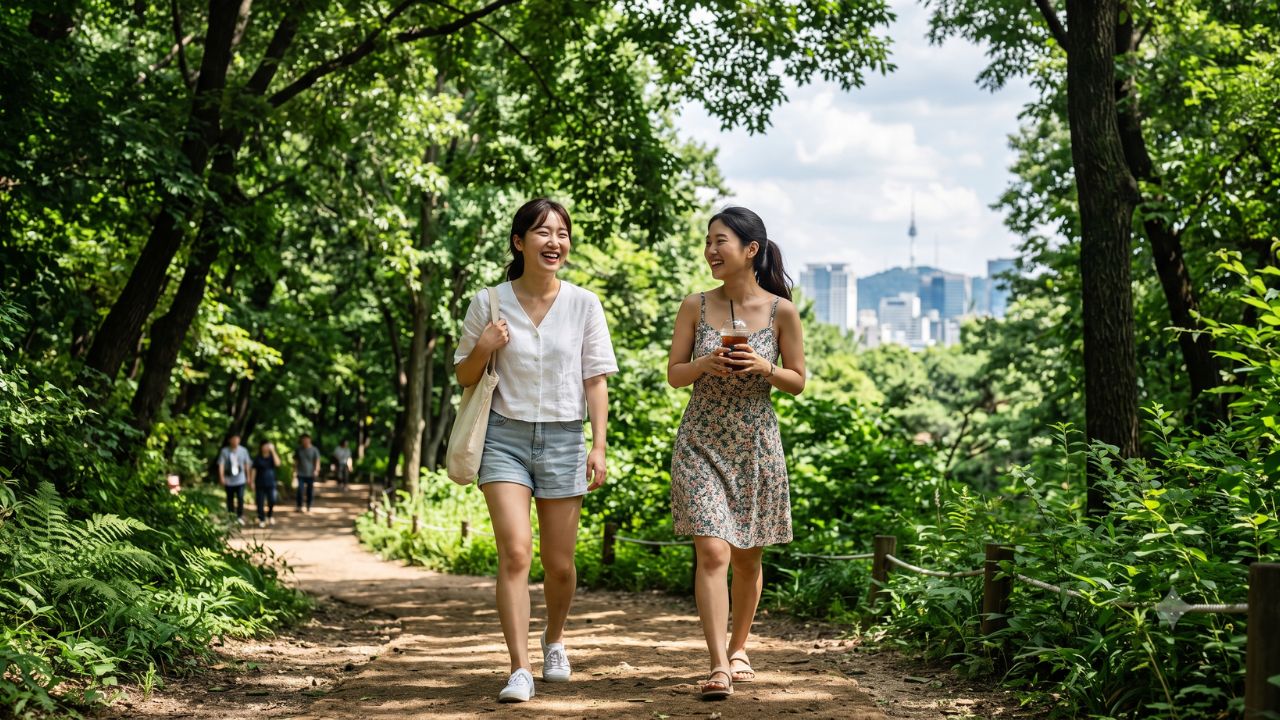
Image generated by AI
Forest networks across Seoul reduce daytime temperatures by up to 1.8°C and nighttime heat by 1.6°C, providing natural thermal relief for summer visitors navigating extreme urban heatwaves.
+----------------------------------------------------------------------------------------------------+
|                      NATIONAL INSTITUTE OF FOREST SCIENCE (NIFS) BENCHMARKS                        |
+---------------------------------------------------+------------------------------------------------+
| Metric / Environmental Parameter                  | Measured Benchmark                             |
+---------------------------------------------------+------------------------------------------------+
| Daytime Forest Cooling (vs Concrete Zones)        | 1.8°C lower temperature                        |
+---------------------------------------------------+------------------------------------------------+
| Nighttime Forest Cooling (vs Concrete Zones)      | 1.3°C to 1.6°C lower temperature               |
+---------------------------------------------------+------------------------------------------------+
| Broadleaf & Mixed Forest Daytime Reduction        | 1.5°C to 1.8°C cooler                          |
+---------------------------------------------------+------------------------------------------------+
| Coniferous Forest Daytime Reduction               | 1.2°C cooler                                   |
+---------------------------------------------------+------------------------------------------------+
| Fine Dust Captured (Hongneung Forest / Hectare)   | 168 kg annually                                |
+---------------------------------------------------+------------------------------------------------+
| Carbon Sequestration (Hongneung Forest / Hectare) | 6.9 tonnes of CO2 annually                     |
+---------------------------------------------------+------------------------------------------------+
| Local Fine Dust Concentration Reduction           | 25% to 40% lower                               |
+---------------------------------------------------+------------------------------------------------+
| Heatwave Day Reduction in Forest Zones            | 20% to 29.4% fewer heatwave days               |
+---------------------------------------------------+------------------------------------------------+
| South Korea Per-Capita Green Target (2021->2027)  | 11.5 sq m in 2021 to 15.0 sq m by 2027         |
+---------------------------------------------------+------------------------------------------------+
Key Takeaways
- Natural Temperature Offsets: Seoul's urban forest canopy lowers daytime heat by 1.8°C and maintains nighttime conditions up to 1.6°C cooler than concrete zones.
- Optimal Vegetation Selection: Broadleaf and multi-tiered forests provide superior shading and cooling performance compared to single-layer or coniferous stands.
- Night Tourism Surge: Reduced evening temperatures enable travelers to enjoy outdoor cultural events and forest walks during tropical summer nights.
- National Wind Corridor Policy: South Korea is building wind-road networks in Seoul, Sejong, Daejeon, and Ulsan while raising per-capita urban green space to 15.0 square metres by 2027.
- Air Filtration Impact: One hectare of mature Seoul forest absorbs 168 kg of fine dust and 6.9 tonnes of CO2 annually, while forest zones face up to 29.4% fewer heatwave days.
FAQ
How do Seoul's urban forests lower summer air temperatures?
Urban forests cool the air by intercepting solar radiation through dense leaf canopies, transpiring moisture into the atmosphere, and absorbing far less heat energy than concrete or asphalt surfaces.
Which green areas offer the best natural cooling in Seoul?
According to NIFS research, broadleaf and mixed forests with multi-layered canopy structures provide the highest cooling capacity, reducing daytime temperatures by 1.5°C to 1.8°C.
What are South Korea's urban wind-road forests?
Wind-road forests are continuous green corridors designed to channel cool air from surrounding mountain ecosystems directly into inner-city districts, reducing urban heat build-up.
What is South Korea's target for urban green space by 2027?
South Korea aims to increase urban green space from 11.5 square metres per resident in 2021 to 15.0 square metres per resident by 2027 across major cities.
Internal Connection
Explore related destination and travel news features:
- Tokaj Wine Region Sees Surge in Culinary Tourism Following UNESCO Heritage Recognition
- Plovdiv 48-Hour Cultural Route: Roman Theatre and Ottoman Heritage
- Top 10 Sustainable Outdoor Adventures in Europe
Related Travel Guides
Disclaimer
This article is for informational and educational purposes only. It does not constitute legal, financial, or professional advice. While we strive to provide accurate and up-to-date information, travel policies, regulations, and conditions change rapidly. Always verify information with official sources before making travel decisions. Nomad Lawyer makes no representations about the accuracy, reliability, completeness, or suitability of the information provided. Readers should consult qualified professionals for advice specific to their circumstances. The views expressed in this article are those of the author and do not necessarily reflect the views of Nomad Lawyer.
Kunal K Choudhary
Co-Founder & Contributor
A passionate traveller and tech enthusiast. Kunal contributes to the vision and growth of Nomad Lawyer, bringing fresh perspectives and driving the community forward.
Learn more about our team →