
South Korea Imposes Level 4 Travel Ban on Pakistan's Balochistan Province in 2026
South Korea has issued its highest-level travel restriction for Balochistan, Pakistan, effective August 31, 2026, citing escalating terrorist activity and severe security risks.

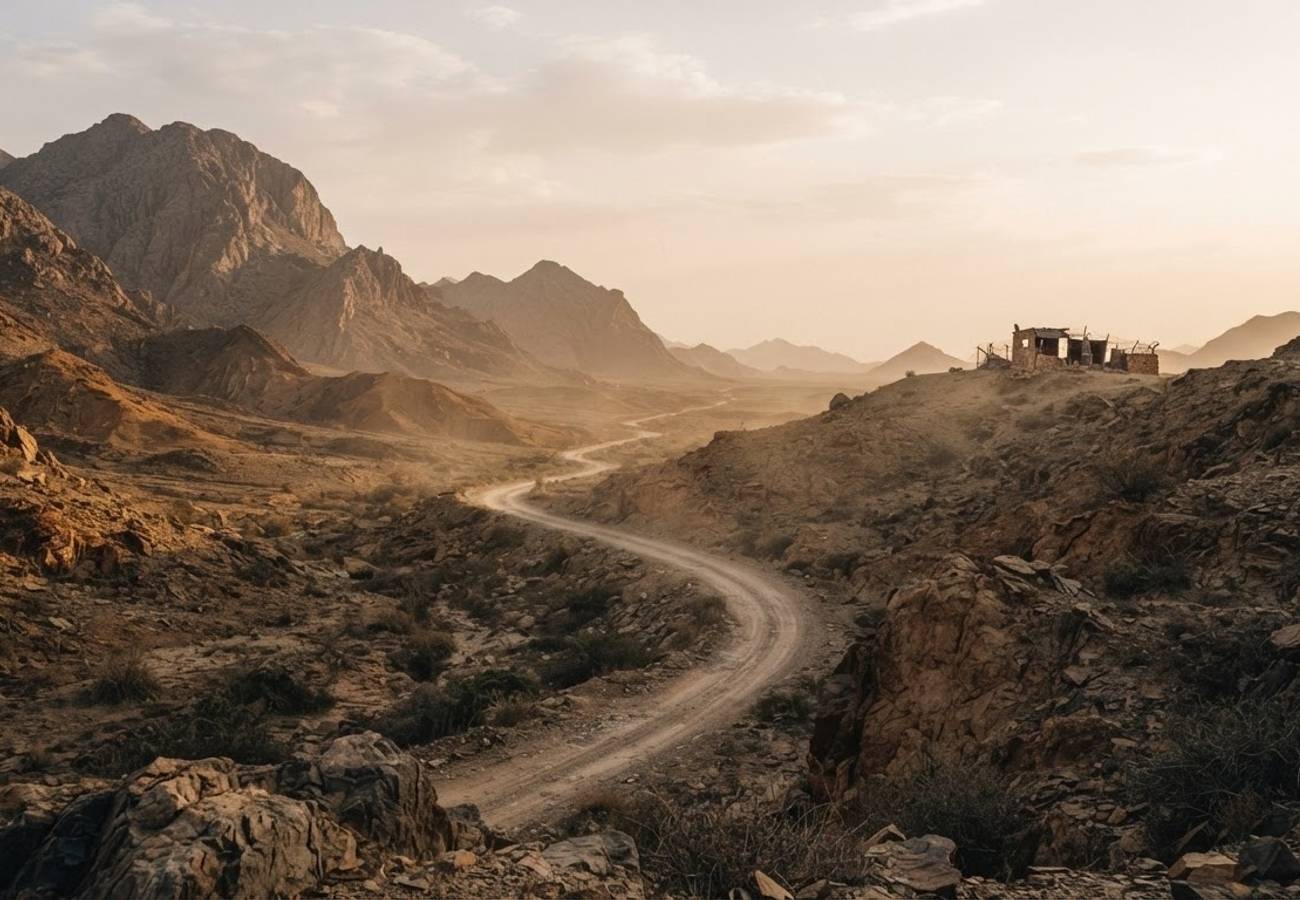
Image generated by AI
South Korea has implemented its most severe travel restriction for Pakistan’s Balochistan province, effectively prohibiting all non-essential travel to the region. The Level 4 "Do Not Travel" alert comes in response to a deteriorating security environment characterized by militant violence and chronic instability.
The South Korean foreign ministry activated the Level 4 designation at 11 p.m. on August 31, 2026 (Korea Standard Time). This measure covers the entirety of Balochistan, a strategically critical province bordering Afghanistan and Iran.
Under the South Korean four-tier safety system, a Level 4 alert is not merely a recommendation but a legal prohibition. Citizens who enter or remain in the province without exceptional government authorization may face penalties under national passport and travel laws.
Critical Alert Specifications
- Alert Level: Level 4 (Highest)
- Designation: "Do Not Travel"
- Effective Date: August 31, 2026, 23:00 KST
- Geographic Scope: Entire Balochistan Province, Pakistan
- Legal Status: Unauthorized entry may result in penalties under South Korean law
- Immediate Action: Current visitors are urged to relocate to safer regions or depart Pakistan immediately.
Security Drivers and Global Alignment
The decision follows a surge in militant activity targeting local security forces and infrastructure projects. Our analysis of the security landscape indicates that Balochistan remains a primary flashpoint for separatist armed groups and extremist factions.
This move aligns South Korea with other major global powers. The United States currently advises against all travel to Balochistan, citing high risks of kidnapping and terrorism. Japan has similarly tightened its guidance, raising alert levels for the province as violence persists.
From a logistical perspective, the region is complicated by porous borders and the presence of high-value infrastructure corridors, which frequently become targets for insurgent campaigns.
Impact on Mobility and Logistics
For South Korean nationals, the province is now functionally closed. The only exceptions are narrowly defined circumstances requiring advance documentation and compelling reasons for entry.
The implications extend beyond individual tourists:
- Aviation & Tour Operators: Agencies serving South Korean clients must remove all routing through Balochistan, including short overland transit segments.
- Corporate Risk Management: Multinational firms typically mirror government advisories; this Level 4 status will likely trigger immediate evacuations of non-essential staff and a freeze on new investments in the region.
- Border Movement: Travellers in other parts of Pakistan are advised to avoid non-essential movement near the Balochistan border.
Regional Risk Assessment
| Country | Current Balochistan Status | Primary Risk Cited |
|---|---|---|
| South Korea | Level 4 (Ban) | Terrorist attacks / Instability |
| United States | Do Not Travel | Terrorism / Kidnapping |
| Japan | Elevated Alert | Ongoing violence |
| Pakistan (Domestic) | Restricted/Prohibited | National Security (Permits Required) |
Why This Matters: Industry Implication
For the aviation and travel industry, this development highlights the growing gap between urban stability and peripheral volatility in South Asia. While major cities in Pakistan remain accessible, the "layering" of strict restrictions on provinces like Balochistan kills the viability of overland adventure travel and niche tourism.
From a legal and insurance standpoint, this is a critical shift. Once a government issues a Level 4 ban, most travel insurance policies become void for that region. Any company continuing to operate or route passengers through Balochistan faces extreme liability risks and potential legal challenges from their home governments.
Forward Outlook
We expect continued volatility in the region, with the possibility of these restrictions expanding to other border provinces, such as Khyber Pakhtunkhwa, if security conditions do not stabilize. Travellers should monitor official channels closely, as these alerts are often adjusted with little notice based on real-time intelligence.
Legal and safety compliance is now mandatory for all South Korean citizens regarding this region.
Related Travel Guides
Disclaimer
This article is for informational and educational purposes only. It does not constitute legal, financial, or professional advice. While we strive to provide accurate and up-to-date information, travel policies, regulations, and conditions change rapidly. Always verify information with official sources before making travel decisions. Nomad Lawyer makes no representations about the accuracy, reliability, completeness, or suitability of the information provided. Readers should consult qualified professionals for advice specific to their circumstances. The views expressed in this article are those of the author and do not necessarily reflect the views of Nomad Lawyer.
Preeti Gunjan
Contributor & Community Manager
A passionate traveller and community builder. Preeti helps grow the Nomad Lawyer community, fostering engagement and bringing the reader experience to life.
Learn more about our team →