
South Korea Imposes Level 4 Total Travel Ban on Pakistan's Balochistan Province in 2026
South Korea has activated its highest-level travel alert for Balochistan, Pakistan, effectively banning all non-essential visits due to severe security threats and militant activity.

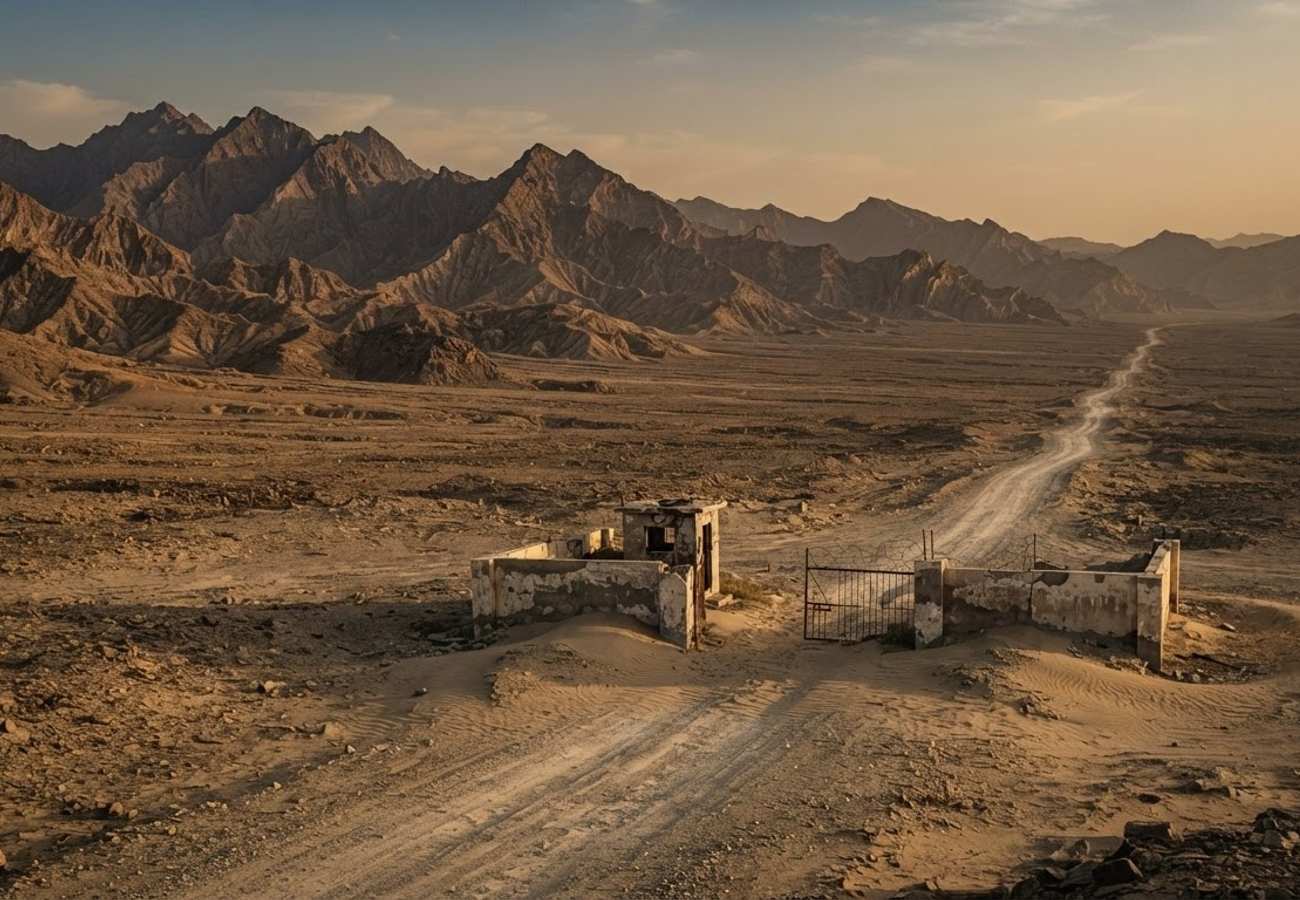
Image generated by AI
South Korea has implemented a total travel ban on the Balochistan province of Pakistan, designating the region as a Level 4 risk zone. This move signals a critical escalation in security concerns for international travelers in southwestern Pakistan.
The Ministry of Foreign Affairs transitioned Balochistan to Level 4 on its four-tier travel warning system effective late August 31, 2026 (Seoul time). This designation is the highest possible alert level and effectively prohibits South Korean nationals from entering the province except under strictly pre-approved, limited circumstances.
Unlike lower-tier advisories that suggest caution or discourage non-essential trips, a Level 4 status is reserved for territories experiencing state collapse, armed conflict, or persistent terrorism. Under South Korean travel law, citizens who ignore this ban may face administrative or legal penalties upon their return.
Critical Security Drivers
The decision follows a surge in volatility across the vast region bordering Iran and Afghanistan. Our analysis of regional security data indicates several primary drivers for this ban:
- Militant Operations: Coordinated attacks by the Balochistan Liberation Army and other armed groups have targeted government installations, checkpoints, and urban centers.
- Infrastructure Sabotage: Frequent roadside bombings and assaults on freight corridors have disrupted civilian movement.
- Loss of State Control: Security observers report that the "writ of the state" has effectively ended in various rural districts, leaving long-distance transport vulnerable.
- Targeting of Foreigners: High risks of kidnapping and targeted attacks on foreign nationals, coupled with near-zero consular support in remote areas.
Global Alignment of Risk Assessments
Seoul's move aligns South Korea with several other major diplomatic powers that have already flagged Balochistan as a "do not travel" zone.
| Country | Current Status for Balochistan | Primary Cited Risks |
|---|---|---|
| South Korea | Level 4 (Travel Ban) | Terrorism, Armed Conflict, State Instability |
| United Kingdom | Do Not Travel | Terrorism, Security Operations |
| United States | Do Not Travel | Kidnapping, Terrorism, Limited Consular Access |
| Australia | Do Not Travel | Attacks on Religious Sites, Markets, Government Targets |
Logistical Impact on International Transit
While Balochistan is not a primary hub for mass tourism, the ban creates significant friction for specific traveler profiles.
For overland motorists and adventure travelers, the ban effectively severs the primary land corridor connecting Iran and Pakistan. Those planning journeys across the southwestern border must now reconfigure their itineraries to rely on air travel or alternative transit nations.
From a logistical perspective, this means that any itinerary passing through the provincial capital, Quetta, or utilizing highways toward the Arabian Sea coast is now legally off-limits for South Korean nationals.
Why This Matters: Industry Implication
For the aviation and travel insurance sectors, this is more than a diplomatic gesture. When multiple G20 nations converge on a "Do Not Travel" designation for a specific province, it triggers a cascade of institutional risk adjustments.
Our analysis suggests three immediate impacts:
- Insurance Voiding: Most global travel insurance policies contain "Government Advisory" clauses. A Level 4 ban typically renders all medical, evacuation, and theft coverage null and void for that region.
- Operator Liability: Tour operators and overland agencies now face extreme liability risks if they facilitate transit through Balochistan, likely leading to a total withdrawal of commercial packages to the region.
- Regional Perception: By isolating Balochistan from the rest of Pakistan—where cities like Islamabad and Lahore remain under lower-tier cautions—Seoul is highlighting a "fragmented security map." This encourages travelers to treat the country as a series of high-risk and low-risk zones rather than a single destination.
Forward Outlook
The ban is open-ended. We expect the South Korean government to maintain this status until there is a documented decrease in large-scale militant attacks and a restoration of secure transport arteries. Travelers should monitor the 0404.go.kr portal for updates, but for the foreseeable future, western Pakistan remains effectively closed to foreign tourism.
The convergence of global warnings suggests that Balochistan has entered a period of prolonged instability.
Related Travel Guides
Disclaimer
This article is for informational and educational purposes only. It does not constitute legal, financial, or professional advice. While we strive to provide accurate and up-to-date information, travel policies, regulations, and conditions change rapidly. Always verify information with official sources before making travel decisions. Nomad Lawyer makes no representations about the accuracy, reliability, completeness, or suitability of the information provided. Readers should consult qualified professionals for advice specific to their circumstances. The views expressed in this article are those of the author and do not necessarily reflect the views of Nomad Lawyer.
Raushan Kumar
Founder & Lead Developer
Full-stack developer with 11+ years of experience and a passionate traveller. Raushan built Nomad Lawyer from the ground up with a vision to create the best travel and law experience on the web.
Learn more about our team →