
New Ebola Travel Restrictions 2026: Entry Rules for DRC, Uganda, and US-Bound Flyers
New health protocols and entry restrictions are now in effect for travelers transiting through Central and East Africa due to the Bundibugyo virus outbreak.
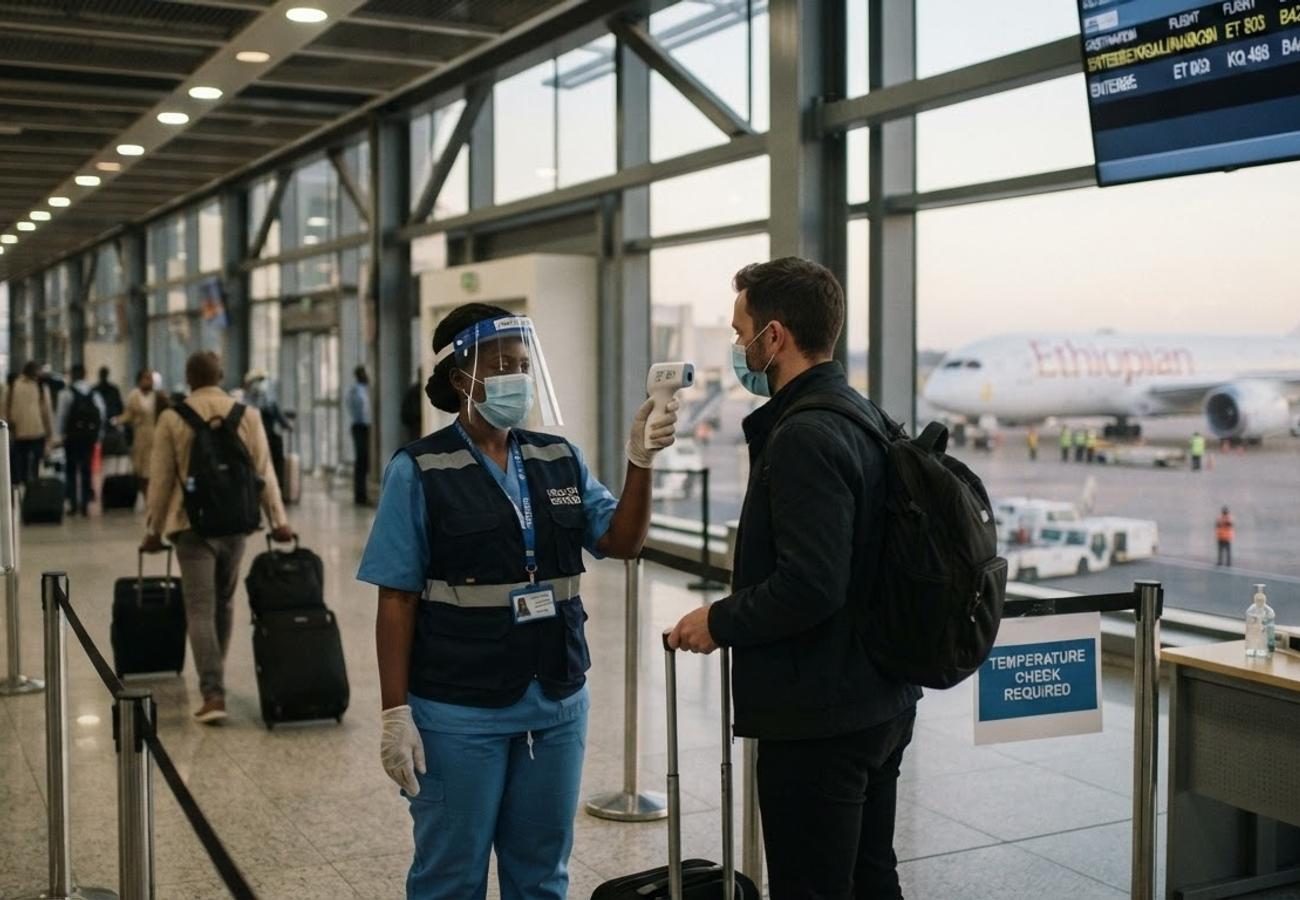
Image generated by AI
Travelers transiting through Central and East Africa face strict new health screenings and entry bans as authorities move to contain the Bundibugyo virus outbreak.
The current outbreak of Ebola Bundibugyo virus disease has triggered a series of targeted travel measures across the Democratic Republic of the Congo (DRC) and Uganda. Rather than implementing global bans, international health agencies are focusing on rigorous exit screenings and specific entry restrictions to prevent cross-border transmission.
High-Risk Zones and Current Travel Advisories
The epicenter of the Bundibugyo virus outbreak is currently concentrated in the Democratic Republic of the Congo and neighboring Uganda. Health authorities have shifted toward limiting movement from specific provinces rather than closing entire borders.
U.S. travel health notices currently categorize the risk levels as follows:
- Avoid All Travel: Ituri and Nord Kivu provinces (DRC).
- Avoid Nonessential Travel: Haut-Uélé and Tshopo provinces (DRC).
- Enhanced Precautions: Other regions of the DRC and Uganda.
While the World Health Organization (WHO) maintains that general international trade and travel to these nations should not be subject to blanket bans, the emphasis has shifted toward aggressive monitoring at points of departure.
Airport Exit Screening Protocols
Under the International Health Regulations, international airports, seaports, and land crossings in affected zones have implemented mandatory exit screenings. These checks are designed to identify symptomatic individuals before they board commercial transport.
The screening process typically involves:
- Health Questionnaires: Detailed reviews of recent travel history and exposure.
- Temperature Checks: Mandatory screening for fever.
- Symptomatic Assessment: Secondary evaluations for anyone reporting illness.
Passengers exhibiting symptoms consistent with Ebola are prohibited from boarding commercial flights. The only exception is for controlled medical evacuations conducted via specialized infection-prevention procedures. For the average traveler, these measures result in increased processing times and longer queues at departure hubs.
US Entry Restrictions and Designated Airports
The United States has implemented a layered public health strategy to prevent the importation of the Bundibugyo virus. These rules vary depending on the traveler's recent location.
DRC Travel Ban Travelers who have been in the Democratic Republic of the Congo within the previous 21 days are currently barred from boarding commercial flights terminating in the United States. This restriction applies regardless of the traveler's citizenship.
Designated Airport Entry For those who have visited Uganda or South Sudan—without entering the high-risk provinces of the DRC—entry is restricted to a limited number of designated U.S. airports. These hubs are equipped to provide:
- Enhanced entry screening.
- Public health evaluations.
- Comprehensive travel history reviews.
Federal public health orders may include "do not board" listings and coordinated follow-ups with state and local health departments for any at-risk passengers who successfully enter the country.
Movement Restrictions for Confirmed Cases and Contacts
Strict mandates are in place for individuals with a direct epidemiological link to the virus.
| Category | Travel Restriction | Requirement for Clearance |
|---|---|---|
| Confirmed Cases | No national or international travel | Two negative diagnostic tests taken 48 hours apart |
| Confirmed Contacts | No international travel | Completion of 21-day monitoring period |
| Suspected/Probable Cases | Immediate isolation | Reclassification based on diagnostic results |
Overland movement is also under scrutiny, with increased screening teams stationed at main roads and land borders between affected districts and neighboring countries.
Risk Mitigation for International Flyers
Health agencies emphasize that Ebola is transmitted through direct contact with infected bodily fluids or contaminated materials, not through casual contact in airport terminals or on aircraft.
To maintain a low risk profile, travelers should:
- Avoid the high-risk provinces of Ituri, Nord Kivu, Haut-Uélé, and Tshopo.
- Steer clear of healthcare facilities treating Ebola patients.
- Adhere to strict hygiene and hand-washing protocols.
Passengers with itineraries involving the DRC or Uganda are urged to enroll in government traveler registration programs and monitor embassy alerts. Because entry rules and designated airport lists can change rapidly, verifying health notices immediately before departure and return is essential.
Stay vigilant and verify current airport designations before booking transit through Central Africa.
Related Travel Guides
Disclaimer
This article is for informational and educational purposes only. It does not constitute legal, financial, or professional advice. While we strive to provide accurate and up-to-date information, travel policies, regulations, and conditions change rapidly. Always verify information with official sources before making travel decisions. Nomad Lawyer makes no representations about the accuracy, reliability, completeness, or suitability of the information provided. Readers should consult qualified professionals for advice specific to their circumstances. The views expressed in this article are those of the author and do not necessarily reflect the views of Nomad Lawyer.