
Southern Africa Coastal Tourism Resilience 2026: Storm-Proof Luxury Lodges, Highveld Aviation Buffers, and Safari Rerouting
As intense Indian Ocean storms challenge southeastern Africa's coastlines, South Africa and Mozambique are pioneering tourism resilience through microgrid lodges, SATSA-bonded safari pivots, and Highveld aviation diversions.

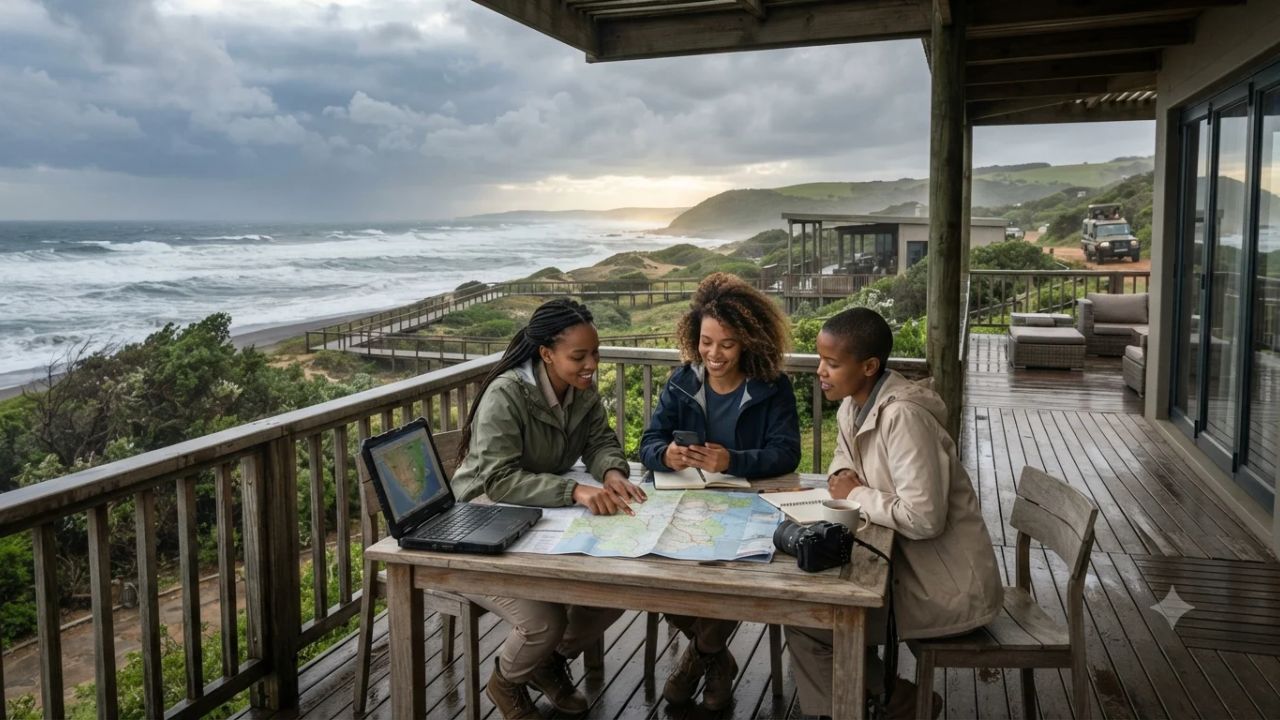
With 5.00 million international arrivals generating R48.70 billion in foreign spend during the first half of 2026, South Africa’s tourism economy is transforming how it protects travelers against extreme oceanic weather along the Indian Ocean seaboard. By deploying off-grid solar microgrids at luxury coastal properties, establishing real-time safari rerouting networks, and using Johannesburg’s high-altitude airport as an inland buffer, Southern Africa is pioneering an adaptive blueprint for luxury adventure travel.
The 2,000-kilometre coastline stretching from Mozambique’s Bazaruto Archipelago southwards past Durban and the KwaZulu-Natal Dolphin Coast sits in one of the planet's most dynamic meteorological corridors. Driven by the warm Agulhas Current colliding with Southern Ocean frontal depressions, cut-off low systems can generate 5- to 6-metre swells, sudden gale-force winds, and intense localized deluges. For luxury travelers seeking seamless transitions between premier marine sanctuaries and interior game reserves, the region’s hospitality and transit operators are turning climate adaptability into a standard operational discipline.
The Tripartite Resilience Strategy: Lodges, Wings, and Wheels
Sustaining seamless luxury travel across southeastern Africa requires coordinated contingency protocols across three interdependent pillars: beachfront hospitality assets, commercial aviation corridors, and wilderness overland operators. When severe convective storms batter the shoreline, disruption in one sector is absorbed and mitigated by the others.
At the lodge level, properties along the Umhlanga beachfront, the South Coast, and Vilankulo in Mozambique are replacing vulnerable overhead power feeds with automated microgrids. Supported by the Department of Tourism’s Green Tourism Incentive Programme (GTIP), resorts integrate commercial solar arrays and lithium iron phosphate battery energy storage systems (BESS) with tier-four backup generation. If municipal transformer stations trip during high-wind events, automated transfer switches island the resort within milliseconds, maintaining continuous power for guest suites, cold storage, and private water desalination facilities.
In the skies, Airports Company South Africa (ACSA) coordinates with Air Traffic and Navigation Services (ATNS) to implement Calculated Take-Off Times (CTOTs) and dynamic air traffic spacing during severe coastal turbulence at King Shaka International Airport (DUR). When coastal feeder airports close due to crosswinds or cyclone warnings, inbound long-haul passengers are redirected through O.R. Tambo International Airport (ORTIA) in Johannesburg. With dual all-weather CAT III runways and a mandatory 12-day jet fuel reserve, ORTIA acts as an operational anchor, allowing tour operators to house passengers comfortably or immediately route them inland to private game reserves in Limpopo and Mpumalanga.
| Resilience Operational Node | Geographic Location & Infrastructure Profile | Primary Weather Vulnerability | Adaptive Mitigation Protocol | Guest & Operational Outcome |
|---|---|---|---|---|
| King Shaka Int'l Airport (DUR) | Coastal KwaZulu-Natal (3,700m CAT II runway; 5M+ passengers) | High crosswinds, convective shear, low visibility ceilings | ATNS Air Traffic Flow Management & slot spacing | Regulates arrival flows; prevents airborne holds during coastal storms |
| O.R. Tambo Int'l (ORTIA) | Johannesburg Highveld Plateau (Dual CAT III all-weather runways) | High density altitude; insulated from marine surges | Continental diversion hub; 12-day jet fuel reserve | Safely absorbs diverted long-haul flights; launches inland safari transfers |
| Bazaruto & Vilankulo (FQVL) | Inhambane Province, Mozambique (1,470m runway; coastal sand spit) | Mozambique Channel tropical cyclones, storm surge inundation | INGD early alerts; temporary VFR and boat transfer halts | Preemptive guest retention in South African transit hubs |
| Luxury Coastal Lodges | Dolphin Coast & iSimangaliso Wetland Park | Beach erosion, overhead grid failures, access bridge flooding | Solar BESS microgrids, vegetated dune buffers, 12-month rebooking credits | Continuous 5-star operations; risk-free trip postponement guarantees |
Overland Safari Adaptation and SATSA Duty of Care
When intense storm systems saturate coastal floodplains along the Elephant Coast, iSimangaliso Wetland Park, and Sodwana Bay, inbound safari operators adapt scheduled self-drive and guided convoys. Instead of navigating flooded estuarine culverts along the N2 national route, operators pivot itineraries toward higher-elevation wilderness corridors:
- Hluhluwe-iMfolozi Park: Interior upland sectors feature well-drained gravel tracks and paved spine roads less prone to river inundation.
- Greater Kruger National Park: Private Lowveld concessions in Mpumalanga remain fully accessible via independent tarmac links and private charter bush strips.
- KwaZulu-Natal Midlands & Drakensberg: High-altitude private reserves in the mountain foothills provide dramatic wildlife viewing completely insulated from coastal storm surges.
Tour vehicles are equipped with continuous GPS telemetry tracking, satellite communicators, and emergency medical kits. Through digital security apps like SECURA Traveller, dispatchers route chauffeurs away from rising watercourses.
Crucially, consumer deposits are secured through the Southern Africa Tourism Services Association (SATSA). Under the SATSA Code of Conduct, accredited tour operators undergo rigorous annual financial vetting and provide third-party bonding underwritten by Guardrisk Insurance (up to R150,000 per incident). If a severe weather event forces an itinerary change, bonded operators absorb emergency accommodation adjustments and rebook flights without imposing unilateral financial penalties on international travelers.
Nature-Based Dune Protection and Coastal Setbacks
Rather than relying on reflective concrete seawalls that accelerate wave scour, coastal lodges in KwaZulu-Natal and Mozambique are embracing nature-based coastal defenses. Guided by the National Environmental Management: Integrated Coastal Management Act (NEM: ICMA, Act No. 24 of 2008), operators work alongside the Department of Forestry, Fisheries and the Environment (DFFE) to maintain strict Coastal Management Lines (CML).
Establishments construct elevated timber boardwalks over primary dunes, stabilize moving sands with indigenous dune-binding vegetation, and remove rigid beachfront structures. These vegetated dune buffers absorb wave impact energy during high-energy spring tide surges, protecting beachfront luxury villas while maintaining the natural shoreline beauty of the UNESCO World Heritage Site at iSimangaliso Wetland Park.
Visitor Insider Tips
- Flexible Flight Routing: When booking Southern African itineraries that combine coastal beach stays with wildlife safaris, purchase tickets issued on a single multi-city airline ticket (such as through Airlink or South African Airways partners). This ensures automatic, cost-free re-accommodation if coastal weather forces flight diversions.
- Monitoring Weather Warning Levels: Familiarize yourself with the South African Weather Service (SAWS) Impact-Based Warning system. An Orange Level 6 warning indicates widespread road and bridge flood risks; if issued for KwaZulu-Natal, immediately request your lodge concierge to arrange early inland transfer routing.
- Booking SATSA-Bonded Operators: Always verify that your destination management company displays an active SATSA membership number. This ensures your deposits are insured and guarantees 24/7 duty-of-care assistance during regional transit disruptions.
- Dry-Season Timing for Beach and Bush: For optimal ocean clarity, calm seas, and dry safari tracks, plan bush-and-beach combination trips between May and September, when winter atmospheric conditions over the Indian Ocean remain most stable.
Cultural and Environmental Context
Tourism forms an essential pillar of South Africa’s national economy, contributing 8.8% to aggregate GDP and sustaining 1.80 million jobs. During the July winter peak alone, the nation recorded 880,000 international visitors, while domestic travelers completed 3.80 million trips generating R15.40 billion.
Protecting these economic flows requires balancing luxury hospitality development with community resilience. In rural coastal zones surrounding St Lucia, Sodwana Bay, and Vilankulo, local communities depend heavily on lodge employment, artisanal guiding, and seasonal fishing. When luxury lodges invest in off-grid solar microgrids and rainwater harvesting systems, they reduce pressure on municipal infrastructure during climate emergencies. Furthermore, lodge-supported community emergency response teams provide emergency water, satellite communications, and road-clearing equipment to neighboring rural villages during severe storm events.
FAQ: Visiting Southern African Coastal & Safari Corridors 2026
What happens if bad weather disrupts my coastal flight to Durban or Vilankulo?
Inbound flights are diverted to inland hubs like Johannesburg (ORTIA), where bonded ground operators arrange interim airport hotels or reroute guests directly to inland safari lodges in Kruger or the Lowveld.
Are South African safari reserves safe during coastal storms?
Yes. Major interior reserves such as Greater Kruger, Madikwe, and the KwaZulu-Natal Midlands sit hundreds of kilometres inland or high above coastal flood basins, ensuring uninterrupted game drives and dry road conditions.
What is the advantage of booking with a SATSA-accredited operator?
SATSA accreditation provides third-party financial bonding of up to R150,000 per incident through Guardrisk Insurance, protecting your payments and guaranteeing professional duty-of-care assistance during travel disruptions.
When is the best time to visit KwaZulu-Natal and Mozambique?
May to September offers mild, dry winter weather, minimal rainfall, optimal wildlife viewing conditions, and calm Indian Ocean seas ideal for diving and coastal exploration.
By mastering the elements through intelligent logistics and ecological design, Southern Africa proves that sustainable adventure thrives where resilience leads the way.
Related Travel Guides
Disclaimer
This article is for informational and educational purposes only. It does not constitute legal, financial, or professional advice. While we strive to provide accurate and up-to-date information, travel policies, regulations, and conditions change rapidly. Always verify information with official sources before making travel decisions. Nomad Lawyer makes no representations about the accuracy, reliability, completeness, or suitability of the information provided. Readers should consult qualified professionals for advice specific to their circumstances. The views expressed in this article are those of the author and do not necessarily reflect the views of Nomad Lawyer.
Kunal K Choudhary
Co-Founder & Contributor
A passionate traveller and tech enthusiast. Kunal contributes to the vision and growth of Nomad Lawyer, bringing fresh perspectives and driving the community forward.
Learn more about our team →