
Balearic Islands Beyond the Beach 2026: Majorca Tramuntana Trails, Menorca Biosphere, and Ibiza Heritage
With €13.7 billion in visitor expenditure across the first seven months of 2026, Spain's Balearic Islands are redefining Mediterranean travel through Menorca's ancient Camí de Cavalls, Majorca's mountain gastronomy, and Ibiza's UNESCO-inscribed Dalt Vila.

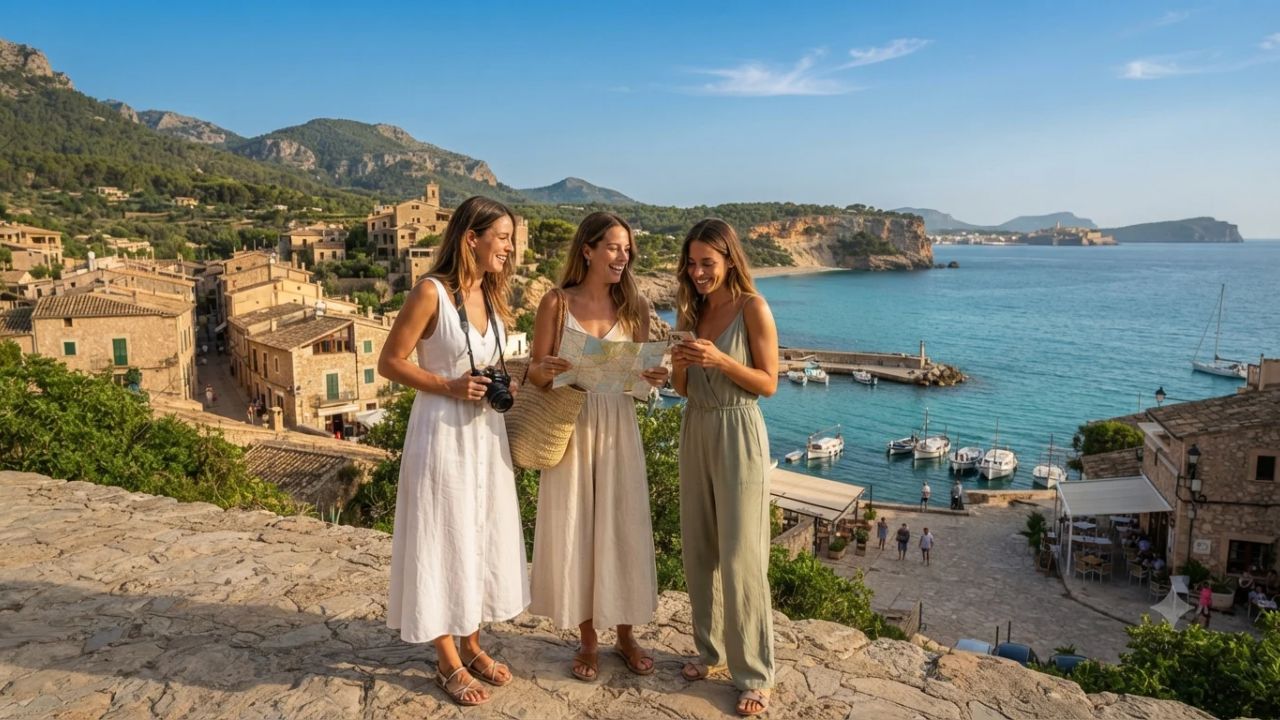
Generating €13.7 billion in visitor spending during the first seven months of 2026 as Spain welcomed 11.5 million international travelers in July alone (a 4.6% rise year-on-year), the Balearic Islands are undergoing a decisive shift beyond seasonal sun-and-sand package tours. By opening 365-day culinary trails, protecting 200 kilometres of pristine Menorcan biosphere coastline, and restoring ancient stone fortifications across Ibiza and Majorca, the archipelago is pioneering high-yield cultural and nature tourism.
For generations, global travel imagery reduced the Balearic Islands to mass package resorts and late-night electronic music clubs. However, official statistics from Spain's National Statistics Institute (INE) confirm a structural diversification: travelers are visiting during shoulder seasons for long-distance trail hiking, farm-to-table dining, and archaeological exploration. From the limestone ridges of Majorca’s Serra de Tramuntana to more than 1,500 prehistoric stone monuments in Menorca, each island in the archipelago offers a distinct, deeply preserved Mediterranean identity.
Four Islands, Four Distinct Travel Identities
The Balearic archipelago comprises four main islands—Majorca, Menorca, Ibiza, and Formentera—each offering specialized travel experiences that complement one another within a single multi-island journey.
In Majorca, the largest island, travel centers on the rugged Serra de Tramuntana, a mountain spine inscribed as a UNESCO World Heritage Site for its historic agricultural terraces, dry-stone olive mills, and historic mountain villages. The island capital, Palma, anchors the region's urban culture with its Gothic cathedral and independent art spaces, while traditional culinary staples like tumbet (a layered stew of sliced potato, eggplant, red bell peppers, and garlic tomato sauce) and arròs brut (a spiced saffron rice stew with game meats and wild mushrooms) celebrate rural agrarian heritage.
Menorca has championed sustainable slow tourism since receiving its UNESCO Biosphere Reserve designation in 1993. Featuring more than 200 kilometres of protected coastline and over 1,500 prehistoric Talayotic monuments, the island invites travelers to traverse the historic Camí de Cavalls (GR 223), an ancient bridle path encircling the entire island. Gastronomy is defined by artisanal Mahón-Menorca cured cow’s milk cheese and traditional caldereta de langosta (spiny lobster stew).
Ibiza is steadily broadening its reputation beyond international nightlife. In Ibiza Town, the 16th-century fortified citadel of Dalt Vila—a UNESCO World Heritage Site—features Renaissance ramparts and cobbled lanes overlooking the harbor. Beyond the historic center, the island offers tranquil pine forests, secluded swimming coves like Cala Saladeta, and traditional seaside dining centered on bullit de peix (local rockfish simmered with potatoes and garlic aioli, followed by soupy seafood rice). Just a 30-minute ferry south, Formentera preserves crystal-clear turquoise waters and protected sand dune systems, contributing to over €528 million in combined May expenditure across the Pityusic Islands.
| Balearic Destination | Primary Tourism Specialization | Key Heritage & Natural Asset | Traditional Culinary Specialty | Optimal Travel Focus |
|---|---|---|---|---|
| Majorca | Mountain trekking, road cycling & urban culture | Serra de Tramuntana & Palma Gothic Cathedral | Tumbet & Arròs brut | Spring & autumn cycling, alpine hiking, historic boutique stays |
| Menorca | Slow ecotourism & prehistoric archaeology | UNESCO Biosphere Reserve & Camí de Cavalls (GR 223) | Caldereta de langosta & Mahón-Menorca cheese | Coastal walking, sea kayaking, Talayotic stone site exploration |
| Ibiza | UNESCO fortifications, wellness & lifestyle | Dalt Vila Renaissance citadel & Cala Saladeta | Bullit de peix & Ensalada payesa | Historic heritage walks, coastal sunset sailing, farm-to-table dining |
| Formentera | Low-impact coastal nature & quiet beaches | Ses Salines Natural Park & marine reserves | Fresh seafood & sun-dried fish (Peix sec) | Cycling along rural green routes (Rutas Verdes), sailing day trips |
The Rise of Year-Round Gastronomy and Agritourism
A central driver behind the Balearics' €13.7 billion expenditure surge is the expansion of rural agritourism (agroturismos). Rather than booking beachfront high-rises, high-spend travelers are staying in converted 17th-century stone farmsteads surrounded by organic almond groves, vineyards, and ancient olive orchards.
These properties serve hyper-local menus prepared with zero-kilometer ingredients, pairing heritage pork delicacies (sobrassada) with indigenous grape varietals like Callet and Manto Negro in Majorca, or Prensal Blanc in Menorca. By connecting hospitality directly to island agriculture, tourism spending provides viable economic incentives for younger generations to maintain traditional farming landscapes.
Visitor Insider Tips
- Hiking the Camí de Cavalls in Menorca: The 185-kilometre circular trail is divided into 20 well-marked stages. For dramatic coastal geology and remote coves without road access, hike Stage 12 (Cala en Turqueta to Cala Galdana) or Stage 1 (Maó to Favàritx lighthouse). Carry plenty of water, as there are no commercial service stops along wilderness sections.
- Cycling Majorca's Mountain Passes: Spring (March to May) and autumn (October to November) provide ideal temperatures for cycling the iconic Sa Calobra and Coll de Sóller passes. Rent high-performance road bikes in Port de Pollença or Sóller and begin rides at dawn to avoid tour coaches on winding mountain descents.
- Exploring Ibiza's Dalt Vila: Enter the medieval fortifications through the dramatic Portal de Ses Taules drawbridge in the late afternoon. Climb past the contemporary art museum (MACE) up to the cathedral square for panoramic sunset views across the Mediterranean toward Formentera.
- Ferry Transit to Formentera: Fast passenger ferries run every 30 minutes from Ibiza Port to La Savina in Formentera. Skip automobile rentals on Formentera; instead, rent an electric bicycle or small scooter at the ferry terminal to navigate the island's low-impact paved green routes (rutas verdes).
Cultural and Environmental Context
The environmental integrity of the Balearic archipelago depends heavily on protecting Posidonia oceanica seagrass meadows—underwater marine forests that oxygenate coastal waters and create the region's trademark turquoise clarity. Anchoring boats directly in Posidonia beds is strictly prohibited, with maritime park rangers patrolling protected zones around Ses Salines Natural Park using drone surveillance and GPS enforcement.
Additionally, local authorities in Menorca and Majorca enforce strict sustainable tourism tax (Impuesto de Turismo Sostenible) contributions on all commercial accommodation. These funds are reinvested directly into restoring historic stone agricultural walls (marjades), managing public trail erosion, upgrading municipal wastewater treatment plants, and preserving fragile sand dune ecosystems across all four islands.
FAQ: Visiting the Balearic Islands 2026
What is the best time of year to visit the Balearic Islands for outdoor activities?
April through June and September through November offer ideal mild temperatures (18°C to 25°C), empty hiking trails, quiet country roads for cycling, and pleasant sea temperatures for swimming.
How do I travel between Majorca, Menorca, Ibiza, and Formentera?
Inter-island ferries operated by Balearia and Trasmed connect Palma, Alcúdia, Ciutadella, and Ibiza Town. Frequent 35-minute regional flights also link Majorca, Menorca, and Ibiza, while Formentera is reached via a 30-minute ferry from Ibiza.
Do I need a car to explore the islands?
A rental car is helpful for reaching remote coves and rural farmsteads in Majorca and Menorca. However, Palma, Ibiza Town, and Formentera are easily navigated using public buses, electric bicycles, and passenger ferries.
What are the signature dishes to try in the Balearics?
Must-try dishes include tumbet and arròs brut in Majorca, caldereta de langosta (lobster stew) and Mahón cheese in Menorca, and bullit de peix (rockfish stew) in Ibiza.
Beyond the summer sun, the Balearic Islands reveal their true soul in ancient mountain passes, tranquil turquoise bays, and centuries of living island heritage.
Related Travel Guides
Disclaimer
This article is for informational and educational purposes only. It does not constitute legal, financial, or professional advice. While we strive to provide accurate and up-to-date information, travel policies, regulations, and conditions change rapidly. Always verify information with official sources before making travel decisions. Nomad Lawyer makes no representations about the accuracy, reliability, completeness, or suitability of the information provided. Readers should consult qualified professionals for advice specific to their circumstances. The views expressed in this article are those of the author and do not necessarily reflect the views of Nomad Lawyer.
Kunal K Choudhary
Co-Founder & Contributor
A passionate traveller and tech enthusiast. Kunal contributes to the vision and growth of Nomad Lawyer, bringing fresh perspectives and driving the community forward.
Learn more about our team →