
Sri Lanka Economic Shifts 2026: 1.6M Visitor Milestone, Rupee Valuations, and the Realities of Grassroots Travel
As Sri Lanka targets 2.7 million arrivals and $4.2 billion in tourism revenue after crossing 1.6 million visitors, understanding local currency stability, domestic inflation, and community travel economics is vital for every traveler.

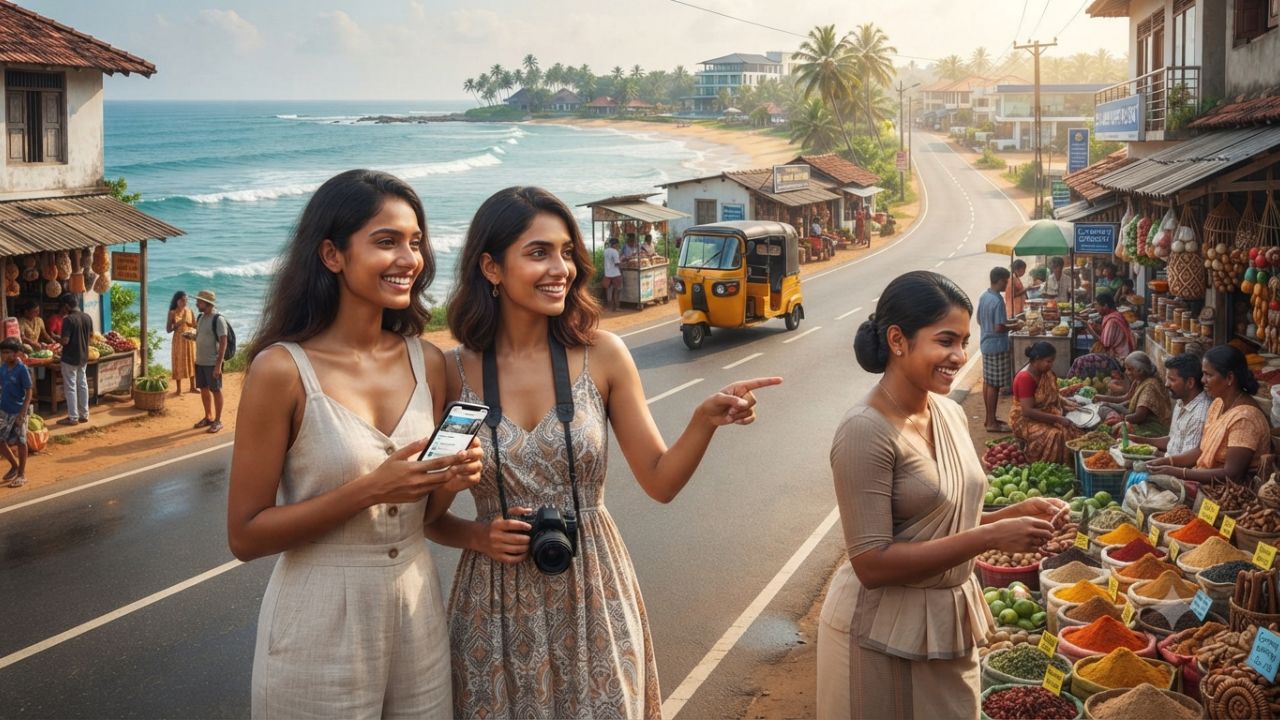
While headline GDP growth reached 4.2% in the second quarter of 2026 and international arrivals surpassed 1.6 million visitors on the path toward an ambitious $4.2 billion revenue target, travelers venturing across Sri Lanka encounter a striking contrast between national macroeconomic recovery and everyday household cost-of-living pressures. With consumer inflation touching 8.1% and domestic agricultural output contracting by 2.3%, conscious travel choices—such as dining at family-run eateries, hiring licensed local drivers, and booking community guesthouses—directly sustain the island’s working families.
Sri Lanka's travel landscape is undergoing an intricate economic realignment. On paper, industrial output surged by 7.3% and services expanded by 2.7%, pushing constant-price GDP from Rs. 2.908 trillion to Rs. 3.029 trillion. Major infrastructure assets, including deep-water terminal expansions at the Port of Colombo, are modernizing supply chains. Yet for independent travelers moving from Colombo's urban districts to the tea estates of Ella and the ancient ramparts of Sigiriya, understanding on-the-ground price dynamics and currency stability is essential for planning an authentic, ethical journey.
Macroeconomic Recovery vs. Grassroots Reality
The broader economic framework in Sri Lanka presents a duality that directly influences travel costs. The national currency has maintained relative stability, trading in the corridor of 330.90 to 331.10 Sri Lankan Rupees (LKR) per US Dollar (USD). This foreign exchange range provides predictable purchasing power for international visitors paying for boutique villas, safari jeeps, and regional rail journeys.
However, domestic households continue to navigate tight budgets. To buffer the population against external price pressures and $100-per-barrel global oil benchmarks, the government allocated Rs. 100 billion toward essential public subsidies for electricity, agriculture, and fisheries, alongside Rs. 57 billion in targeted fuel buffers. On the fiscal front, national customs collections crossed Rs. 2 trillion, with over Rs. 2 trillion earmarked for public infrastructure projects in the upcoming budget cycle.
For travelers, these figures underscore why service tariffs, excursion fees, and dining costs vary across regions. While luxury seaside resorts remain insulated, mid-range and budget tourism operators must balance higher local utility bills and ingredient costs, making fair payment and direct booking vital for community stability.
| Economic & Tourism Metric | Official Recorded Benchmark | Macroeconomic Context | Direct Implication for Travelers |
|---|---|---|---|
| Q2 2026 GDP Growth | 4.2% expansion (Rs. 3.029T total) | Industrial sector (+7.3%), Services (+2.7%) | Reliable transport networks and upgraded urban hospitality amenities |
| Cumulative Visitor Volume | Surpassed 1.6 million arrivals | Annual target: 2.7 million visitors | High demand for scenic hill country trains and cultural triangle heritage passes |
| Projected Tourism Receipts | $4.2 billion target | Rebounding international leisure spend | Reinvestment in national park conservation and heritage preservation |
| Foreign Exchange Rate | 330.90 – 331.10 LKR per 1 USD | Managed currency stability corridor | Favorable purchasing power for independent travelers across regional towns |
| Consumer Price Inflation | 8.1% (August benchmark) | Agricultural contraction (-2.3% in Q2) | Slightly elevated restaurant tariffs and seasonal produce price shifts |
| Colombo Stock Exchange (CSE) | All Share Index ~20,955 pts (Rs. 595M turnover) | Strong commercial and corporate vitality | Expanding investment in boutique eco-lodges and luxury hotel fleets |
What Makes Traveling in Sri Lanka Different
Unlike destinations dominated by massive all-inclusive hotel chains, Sri Lanka’s charm lies in its decentralized tourism economy. A traveler’s daily budget interacts directly with local livelihoods: paying a tuk-tuk driver in Kandy, purchasing fresh king coconuts along the southern coastal highway, or staying at a tea planter’s heritage bungalow in Nuwara Eliya.
Because agriculture contracted by 2.3% during the second quarter, luxury hotels and local restaurants have adapted by sourcing ingredients directly from nearby organic growers. Choosing farm-to-table culinary experiences not only guarantees exceptionally fresh curries, hoppers, and seafood, but also provides stable income to farming communities navigating shifting harvest yields.
Navigating the Cultural Triangle and Hill Country
Sri Lanka’s central cultural axis—anchored by the UNESCO World Heritage Sites of the Ancient City of Sigiriya, the Sacred City of Kandy, and the Golden Temple of Dambulla—remains the historical core of the island.
To maximize your travel experience while supporting local heritage management, obtain official entry tickets directly from Central Cultural Fund counters. Pairing cultural exploration with a scenic ride aboard the Sri Lanka Railways Main Line between Kandy, Nanu Oya, and Ella offers dramatic views of highland cloud forests, cascading waterfalls, and manicured tea terraces.
Visitor Insider Tips
- Currency Exchange and Cash Strategy: While Visa and Mastercard are accepted at major hotels in Colombo and Galle, always carry crisp Sri Lankan Rupee banknotes when exploring rural villages, tea plantations, and roadside fruit stands. Exchange foreign currency at licensed bank counters at Bandaranaike International Airport (CMB) or official exchange bureaus in central Colombo to receive verified rates near 331 LKR/USD.
- Reserving Hill Country Train Tickets: Reserved first-class and second-class observation carriage seats on the Kandy-to-Ella train sell out weeks in advance. Book tickets 30 days prior through the official Sri Lanka Railways digital ticketing portal or via verified local travel desks.
- Temple Etiquette in the Cultural Triangle: When visiting sacred Buddhist sites like the Temple of the Sacred Tooth Relic in Kandy or the Dambulla Cave Temple, wear white or light-colored clothing covering both shoulders and knees. Remove footwear and hats before entering sacred precincts.
- Direct Tipping Practices: In restaurants, check if a 10% service charge is already included on the bill. If service is exceptional, tipping an additional 5% to 10% directly in cash to waitstaff, safari trackers in Yala, and private drivers ensures the gratuity reaches the individuals assisting you.
Cultural and Environmental Context
As tourism numbers climb toward the 2.7 million annual arrival target, sustainable wildlife management and reef conservation remain paramount. The influx of safari vehicles into popular reserves like Yala and Minneriya has prompted the Department of Wildlife Conservation to enforce stricter vehicle distance rules around wild elephant herds and leopards.
Similarly, southern coastal towns like Mirissa and Weligama are regulating whale-watching boat operations to prevent harassing migrating blue whales in international shipping corridors. Travelers support these conservation efforts by booking tours with licensed eco-operators who prioritize animal welfare, adhere to no-plastic policies, and reinvest earnings into regional community schools and healthcare clinics.
FAQ: Visiting Sri Lanka 2026
What is the current currency exchange rate for Sri Lanka?
The Sri Lankan Rupee trades in a stable range of approximately 330.90 to 331.10 LKR per US Dollar, providing predictable pricing for international visitors.
How many tourists visited Sri Lanka in 2026?
Cumulative arrivals have surpassed 1.6 million visitors, with official government targets set at 2.7 million arrivals and $4.2 billion in tourism revenue.
Do I need a visa to enter Sri Lanka?
Yes. International travelers must apply for an electronic travel authorization (ETA / e-visa) through the official Sri Lankan immigration portal before departure.
How can travelers directly support local communities?
Stay in locally owned guesthouses, dine at neighborhood eateries, hire local licensed guides at archaeological sites, and buy handicrafts directly from traditional artisan workshops.
Behind Sri Lanka’s resilient economic recovery lies the enduring warmth of its people, offering travelers a journey of profound beauty, cultural depth, and heartfelt hospitality.
Related Travel Guides
Disclaimer
This article is for informational and educational purposes only. It does not constitute legal, financial, or professional advice. While we strive to provide accurate and up-to-date information, travel policies, regulations, and conditions change rapidly. Always verify information with official sources before making travel decisions. Nomad Lawyer makes no representations about the accuracy, reliability, completeness, or suitability of the information provided. Readers should consult qualified professionals for advice specific to their circumstances. The views expressed in this article are those of the author and do not necessarily reflect the views of Nomad Lawyer.
Naina Thakur
Contributor & Travel Specialist
Travel enthusiast and legal writer covering visa regulations, responsible tourism, and cultural journeys across global destinations.
Learn more about our team →