
Saudi Arabia's Flag Carrier Denies Role in Boeing 777 Aircraft Transfer to Sanctioned Iranian Airline
Breaking airline news and aviation industry updates for 2026.

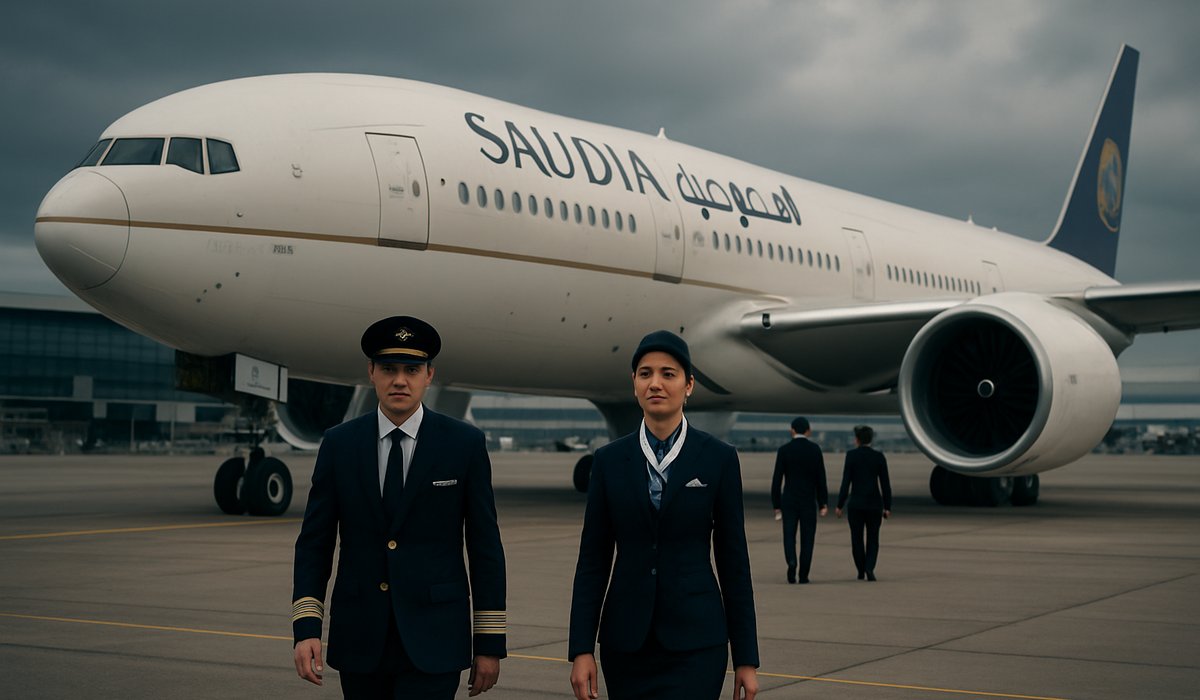
Image generated by AI
Saudi Arabia's Flag Carrier Denies Role in Boeing 777 Aircraft Transfer to Sanctioned Iranian Airline
Saudia distances itself from controversial 2023 sale as five widebody jets reportedly reach Iran-linked carrier despite international restrictions
Saudia Pushes Back Against Aircraft Diversion Allegations
Saudi Arabia's national carrier Saudia has issued a formal denial regarding its involvement in a contentious 2023 transaction involving five Boeing 777-200 aircraft that intelligence sources claim eventually reached Mahan Air, an Iranian airline operating under strict international sanctions. The statement comes as aviation regulators and Western governments intensify scrutiny over aircraft trafficking routes and the circumvention of Iran-related trade restrictions.
The disputed transaction centers on five wide-body jets that Saudia reportedly sold through intermediaries. According to multiple intelligence assessments, these aircraft subsequently arrived in Iran and entered Mahan Air's operational fleet—a development that has triggered significant concern among U.S. and European authorities monitoring sanctions compliance in the aviation sector.
Mahan Air's Sanctions Complications
Mahan Air operates under considerable geopolitical restrictions due to longstanding allegations linking the carrier to Iran's Islamic Revolutionary Guard Corps (IRGC), a designation that complicates international operations and financing. The airline has faced recurring sanctions designations from Western nations, effectively isolating it from global aviation networks and aircraft leasing markets. This isolation makes obtaining modern aircraft through conventional channels exceptionally difficult, creating incentive structures for alternative procurement methods.
The reported acquisition of five Boeing 777-200 aircraft—among the most sought-after widebody jets for long-haul operations—would significantly expand Mahan Air's international capacity and operational range, particularly for routes connecting Iran to Europe, Asia, and Africa.
The Denial and Industry Implications
Saudia's official statement denies direct knowledge or involvement in any scheme directing aircraft toward sanctioned Iranian operators. The carrier maintains that any post-sale trajectory of divested aircraft falls outside its responsibility once transactions conclude.
However, aviation industry analysts argue that such denials carry limited weight given the specialized nature of aircraft sales and the transparent documentation requirements involved in international aerospace transactions. Expert observers note that sellers typically maintain detailed knowledge of aircraft destination and ultimate operators, particularly when transactions involve strategically sensitive jurisdictions.
Broader Aviation Enforcement Concerns
This incident underscores persistent vulnerabilities in global aviation supply chain oversight and the challenges facing sanctions enforcement bodies. As geopolitical tensions remain elevated and regional aviation markets fragment along political lines, aircraft trafficking has emerged as a critical enforcement priority for international regulators.
The case also reflects broader industry pressures, as aging fleets in sanctioned nations struggle to maintain modern operations while facing isolation from legitimate procurement channels.
FAQ: Aircraft Sales, Sanctions, and Aviation Compliance
Q: What are Boeing 777 aircraft used for in commercial aviation? A: The Boeing 777-200 is a long-range widebody twin-engine jet designed for international routes, typically carrying 300-400 passengers across distances exceeding 7,000 nautical miles. Airlines use these aircraft for premium transcontinental and intercontinental service.
Q: How do international aviation sanctions actually work? A: Sanctions restrict targeted airlines' access to aircraft leasing markets, spare parts, financing, and international routes. They prevent Western manufacturers and lessors from conducting business with designated carriers, forcing sanctioned airlines toward gray-market procurement.
Q: Why would Mahan Air need modern Boeing aircraft despite sanctions? A: Modern aircraft offer fuel efficiency, reduced maintenance costs, and extended range capabilities. For airlines isolated from conventional markets, acquiring newer jets—however through questionable channels—improves operational economics and competitive positioning.
Q: How do authorities detect aircraft trafficking and sanctions violations? A: Regulators track aircraft registration documents, transponder signals, maintenance records, spare parts shipments, and financial flows. Intelligence agencies monitor suspicious sales patterns and aircraft routing through intermediaries to sanctioned destinations.
Q: What consequences do airlines face for facilitating sanctioned aircraft transfers? A: Penalties range from financial fines and operational restrictions to designation as sanctions violators, effectively ending international operations and access to global aviation infrastructure entirely.
Related Travel Guides
External Resources
Disclaimer
This article is for informational and educational purposes only. It does not constitute legal, financial, or professional advice. While we strive to provide accurate and up-to-date information, travel policies, regulations, and conditions change rapidly. Always verify information with official sources before making travel decisions. Nomad Lawyer makes no representations about the accuracy, reliability, completeness, or suitability of the information provided. Readers should consult qualified professionals for advice specific to their circumstances. The views expressed in this article are those of the author and do not necessarily reflect the views of Nomad Lawyer.
Preeti Gunjan
Contributor & Community Manager
A passionate traveller and community builder. Preeti helps grow the Nomad Lawyer community, fostering engagement and bringing the reader experience to life.
Learn more about our team →