
Serbia and European Air Quality: The New Travel Risk Factor
Extreme fire-smoke events have tripled globally since the 1990s, turning air quality into a primary safety consideration for travelers visiting Serbia and bro

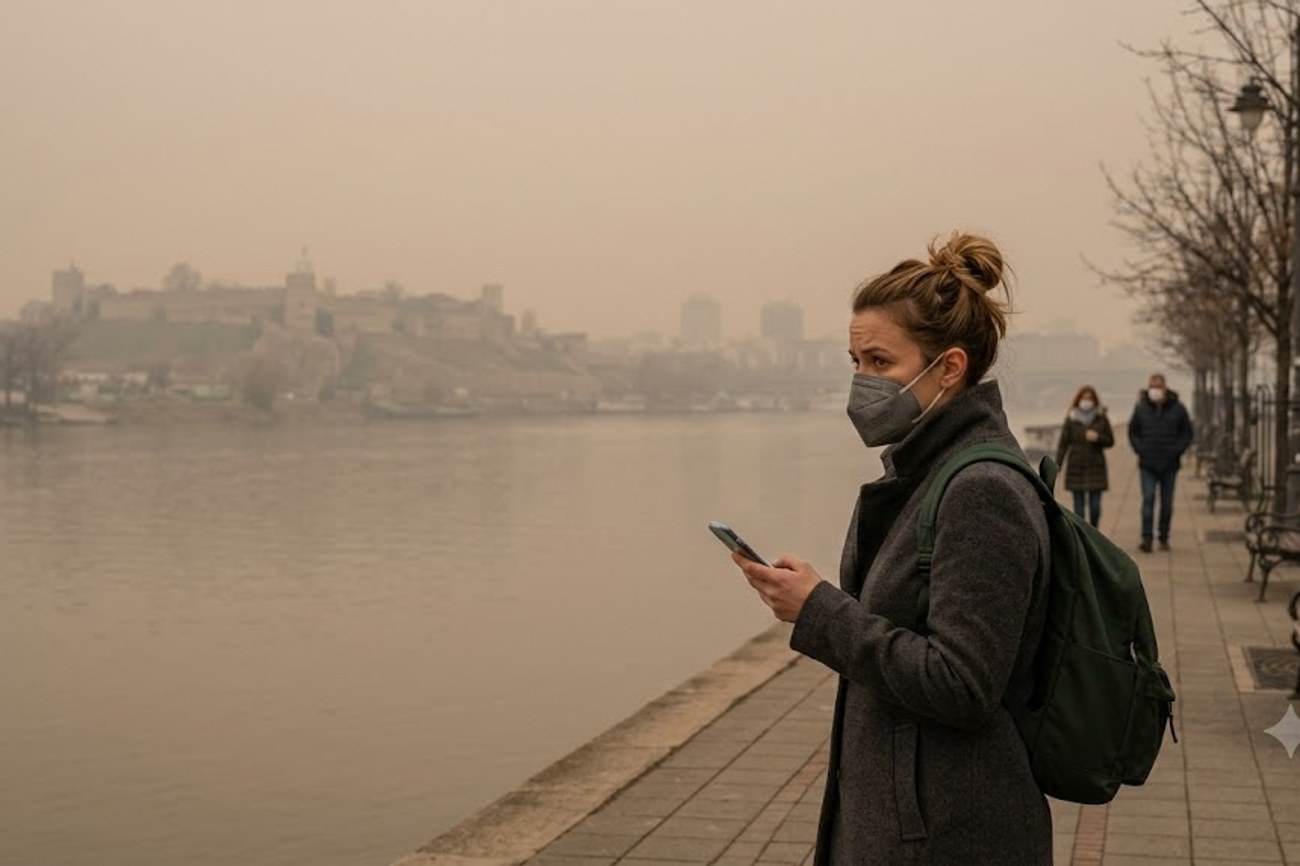
Image generated by AI
The Shift in Environmental Travel Risks
The traditional way of planning a trip to Serbia or the Balkans—checking for rain or sunshine—is no longer sufficient. A critical shift is occurring where climate-driven events are overriding industrial progress. While Europe and North America have successfully lowered transport and industrial emissions, the World Meteorological Organization (WMO) warns that increasingly severe wildfires are introducing toxic PM2.5 pollution back into the atmosphere.
For the visitor, the real impact is that "safe" destinations are no longer defined by their local laws or factory counts, but by their geography. Smoke from wildfires does not respect borders; it travels vast distances, meaning a resort or city center in Serbia can experience hazardous air quality even if there isn't a fire within a hundred miles.
The Invisible Hazard: PM2.5 and Ozone
Travelers often rely on visual cues—if the sky looks blue, they assume the air is clean. However, the interaction between extreme heat and stagnant air creates ground-level ozone, a pollutant that is often invisible but dangerous during the peak sightseeing hours of summer.
The primary concern is PM2.5—particles less than 2.5 micrometres across. These are small enough to penetrate deep into the respiratory system. While the WHO recommends a 24-hour guideline of 15 micrograms per cubic metre and an annual concentration of 5 micrograms per cubic metre, wildfire episodes can spike these numbers instantly, rendering standard health-risk assessments obsolete.
In Europe, this creates a paradox. The European Environment Agency notes that PM2.5-attributable premature deaths in the EU fell by 57% between 2005 and 2023. Yet, 95% of the urban population is still exposed to pollutants above WHO recommendations. For the nomad or tourist, this means that while the general trend is improving, the "episodic" risk—a sudden wall of smoke or a heat-induced ozone spike—is higher than ever.
Visitor Insider Tips
Navigating Serbia and the Balkans during the heat-intensive months requires a move beyond basic weather apps.
- Monitor the AQI, Not Just the Temp: Use official platforms that track PM2.5 and ground-level ozone. If you see a spike in "Black Carbon" or "Dust Aerosols," limit outdoor exertion.
- The "Golden Window" for Activity: During heatwaves, ozone levels typically peak in the mid-to-late afternoon. Plan your walking tours and outdoor dining for early morning or after sunset to avoid the highest concentrations.
- Local Gear: In regions prone to seasonal smoke, carrying a high-filtration mask (N95 or FFP2) is becoming a practical necessity for those with respiratory sensitivities.
- Stay Hydrated & Indoor-Centric: When air quality alerts are active, pivot your itinerary toward Serbia's rich indoor cultural offerings, such as its museums and galleries, to reduce lung exposure.
Tourism Outlook
The long-term viability of summer tourism in the region now depends on "Air-Quality Intelligence." We are moving toward a model where tourism operators must provide rapid-warning systems for smoke events, similar to how they handle storm warnings.
As climate-driven extremes like drought and heatwaves intensify, the ability of a destination to manage and communicate its air quality will become a competitive advantage. Travel planning is evolving: air-quality forecasts are no longer niche data—they are essential for health and safety.
Explore more on sustainable travel:
- [Eco-friendly transit options in the Balkans]
- [Sustainable lodging guides for Digital Nomads]
- [Regional health and safety protocols for European travelers]
Related Travel Guides
Disclaimer
This article is for informational and educational purposes only. It does not constitute legal, financial, or professional advice. While we strive to provide accurate and up-to-date information, travel policies, regulations, and conditions change rapidly. Always verify information with official sources before making travel decisions. Nomad Lawyer makes no representations about the accuracy, reliability, completeness, or suitability of the information provided. Readers should consult qualified professionals for advice specific to their circumstances. The views expressed in this article are those of the author and do not necessarily reflect the views of Nomad Lawyer.
Naina Thakur
Contributor & Travel Specialist
Travel enthusiast and legal writer covering visa regulations, responsible tourism, and cultural journeys across global destinations.
Learn more about our team →