
Scotland Summer Tourism 2026: Edinburgh, Glasgow, and Inverness Drive Record-Breaking Visitor Surges
Scotland has emerged as a premier global travel destination in 2026, with a coordinated surge in tourism across Edinburgh, Glasgow, and Inverness driving multi-billion-pound economic growth.

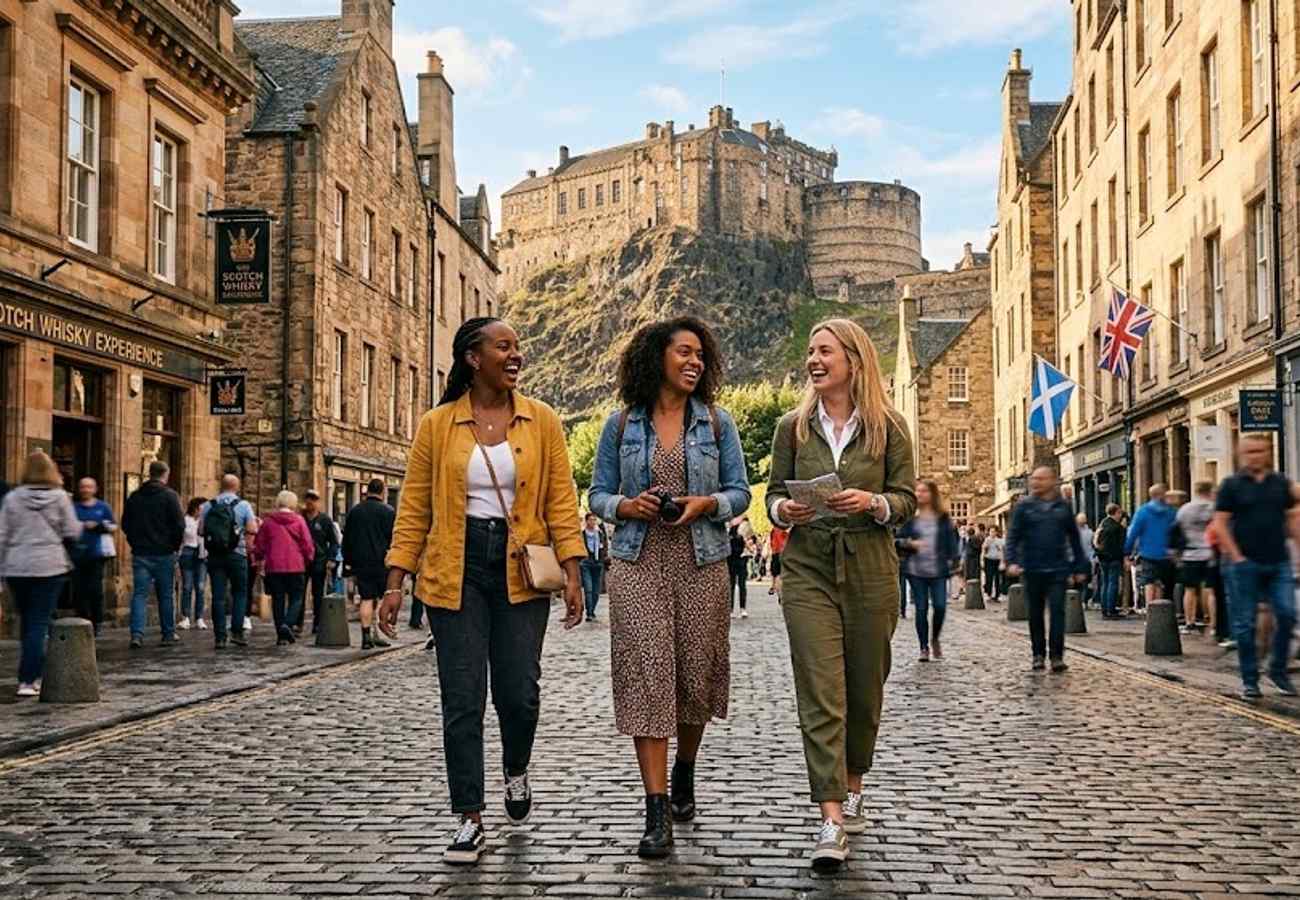
Image generated by AI
[EDINBURGH, July 29, 2026] — Scotland is currently experiencing an unprecedented explosion in summer vacation arrivals, as a strategic synergy between the nation's major urban centers triggers a multi-billion-pound economic phenomenon. From the historic Royal Mile in Edinburgh to the rugged gateways of Inverness, the country has evolved into one of the most sought-after travel destinations in Europe for 2026.
This surge is not a standard seasonal increase but a systemic shift in tourism patterns. Official data indicates that millions of overnight guests are pushing hotel occupancy rates to historic highs, providing a massive financial injection into local hospitality, cultural institutions, and transport infrastructure.
Edinburgh Remains the Primary Engine for International Revenue
The Scottish capital continues to function as the central hub for the country's visitor economy. Each year, Edinburgh welcomes more than five million overnight guests, with the summer months seeing a concentrated influx of North American and European travelers. This high volume of international visitors generates nearly two billion pounds in total local revenue.
During July and August, the city's hospitality sector faces immense pressure, with occupancy rates frequently exceeding 88%. The primary drivers for this demand are the world-renowned performance festivals and the dense concentration of historical landmarks, such as Edinburgh Castle. This sustained demand ensures a steady stream of spending across the city's dining, retail, and local transit sectors.
Glasgow Leverages Cultural Identity to Secure Domestic Markets
While Edinburgh captures the global gaze, Glasgow has solidified its position as a powerhouse for domestic travel. The city generates over two and a half million overnight stays, with UK residents accounting for 57% of all overnight visits. This heavy reliance on the domestic market provides a critical buffer against international currency volatility and global travel disruptions.
Glasgow's appeal is rooted in its reputation as a premier music and art destination. The city center remains a focal point for regional travelers attending stadium concerts, independent music gigs, and large-scale art exhibitions. This consistent flow of weekend visitors from across Great Britain supports a thriving ecosystem of shopping districts and high-end dining venues.
Inverness Serves as the Essential Gateway to the Highlands
In the north, Inverness has become the indispensable starting point for eco-tourists and adventure seekers. The city supports nearly two million overnight visitors, with international guests making up two-thirds of the overnight stay population.
The demand in Inverness is heavily tied to the popularity of the North Coast 500 and Loch Ness excursions. Travelers typically use the city as a logistical base to secure rental vehicles and guided tours before heading into the more remote glens and mountain passes. This seasonal boom directly benefits local bed and breakfasts, outdoor gear retailers, and traditional pubs, bridging the gap between urban luxury and raw wilderness.
Aberdeen Transitions from Energy Hub to Leisure Destination
Aberdeen is successfully rebranding itself, shifting from a corporate center focused on the energy sector to a premier coastal vacation spot. The city and its surrounding coastline now record over one million overnight visits annually, contributing nearly four hundred million pounds in leisure expenditure.
The domestic market is particularly strong here, with an 82% share of visitors coming from England and Central Scotland. Key attractions driving this growth include the Castle Trail, championship golf courses, and the proximity to Speyside's famous whisky distilleries. The addition of marine recreation, such as dolphin watching in the harbor, has diversified the city's appeal for families and active travelers.
Dundee Waterfront Regeneration Drives Regional Growth
Dundee has emerged as a model for urban cultural regeneration, attracting approximately one and a half million combined day and overnight visitors. This influx injects more than three hundred million pounds into the Tay Cities regional economy.
The multi-million-pound redevelopment of the River Tay waterfront has shifted the city's trajectory, creating a balanced visitor profile consisting of 65% domestic and 35% international guests. With average summer stays lasting nearly three nights, the city is no longer just a stopover. Architectural landmarks like the V&A Dundee, combined with modern boutique hotels and riverside dining, have established the city as a hub for contemporary design and history.
Summary of Regional Tourism Impact 2026
| City | Primary Visitor Driver | Annual Overnight Visitors | Key Economic Contribution | Market Composition |
|---|---|---|---|---|
| Edinburgh | Festivals & Heritage | 5 Million+ | ~£2 Billion | High International |
| Glasgow | Live Music & Arts | 2.5 Million | High Domestic Stability | 57% UK Residents |
| Inverness | Highlands & NC500 | ~2 Million | Gateway Services | 66% International |
| Aberdeen | Coastline & Golf | 1 Million+ | ~£400 Million | 82% Domestic |
| Dundee | Waterfront & Design | 1.5 Million (Combined) | ~£300 Million | 65% Domestic / 35% Int'l |
The Logistical Impact on the Travel Experience
For the modern traveler, this surge in popularity transforms the Scottish experience from a quiet retreat into a high-energy cultural immersion. However, the record-breaking occupancy rates—particularly the 88% seen in Edinburgh—mean that spontaneous travel is becoming nearly impossible. Travelers are now required to book accommodations and transport months in advance to avoid price spikes.
From a logistical standpoint, the "gateway" model seen in Inverness is becoming the standard for Highland travel. Rather than attempting to navigate the north without a base, visitors are increasingly adopting a "hub-and-spoke" itinerary, staying in urban centers and taking curated day trips. This shift reduces the strain on rural infrastructure while concentrating economic benefits in city cores.
Why This Matters: The Shift in European Tourism
The 2026 data suggests a broader trend in European travel: a move away from single-city vacations toward multi-city regional circuits. By linking the cultural weight of Edinburgh and Glasgow with the natural allure of Inverness and the regenerated waterfronts of Dundee, Scotland has created a comprehensive tourism product that appeals to multiple demographics simultaneously.
This strategy does more than increase the balance sheet; it distributes wealth across the country, ensuring that the "summer surge" benefits not just the capital but also the granite coast of Aberdeen and the shores of the Tay. As global travelers prioritize authenticity and deep cultural roots, Scotland's ability to maintain its heritage while modernizing its urban centers provides a blueprint for sustainable tourism growth.
As the northern sun sets on another record-breaking season, Scotland has proven that its urban heartlands are the definitive playground for the global traveler.
Related Travel Guides
Disclaimer
This article is for informational and educational purposes only. It does not constitute legal, financial, or professional advice. While we strive to provide accurate and up-to-date information, travel policies, regulations, and conditions change rapidly. Always verify information with official sources before making travel decisions. Nomad Lawyer makes no representations about the accuracy, reliability, completeness, or suitability of the information provided. Readers should consult qualified professionals for advice specific to their circumstances. The views expressed in this article are those of the author and do not necessarily reflect the views of Nomad Lawyer.
Preeti Gunjan
Contributor & Community Manager
A passionate traveller and community builder. Preeti helps grow the Nomad Lawyer community, fostering engagement and bringing the reader experience to life.
Learn more about our team →