
Castello Utveggio Palermo Heritage Preservation: Why Access Barriers Hinder Sicilian Tourism in 2026
Exploring Castello Utveggio on Monte Pellegrino reveals a critical gap in Palermo's tourism infrastructure, where physical preservation fails to meet the needs of international visitor accessibility and multilingual education.

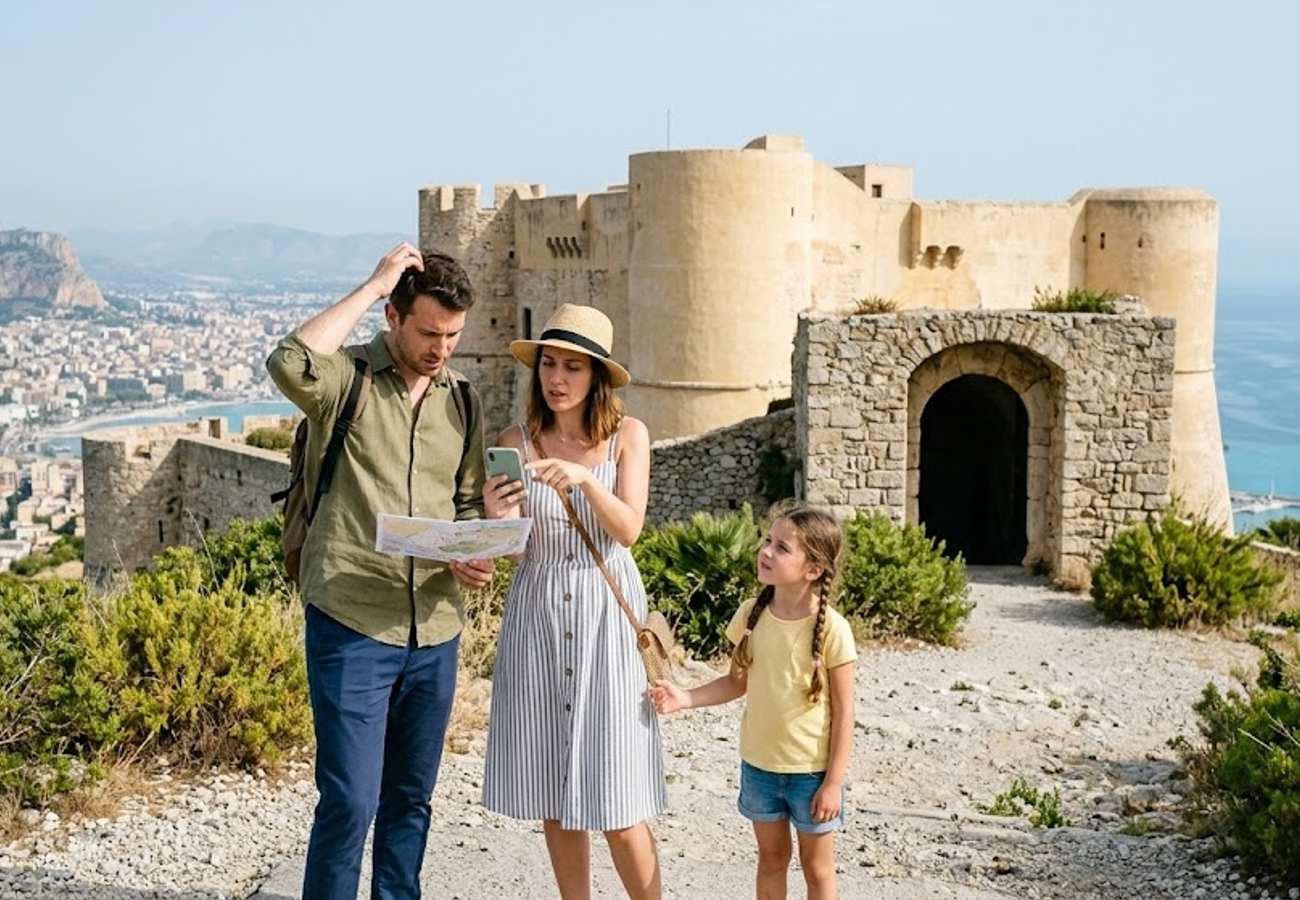
Image generated by AI
The physical restoration of a landmark is only half the battle; without intuitive access and multilingual storytelling, the world's most stunning heritage sites remain silent monuments.
Standing atop Monte Pellegrino, the panoramic vistas from Castello Utveggio offer a definitive reason why travelers are drawn to Palermo. However, for many international visitors, the experience is marred by a recurring frustration: the "information puzzle." When iconic sites lack transparent ticketing and accessible historical context, the human narrative of the location is lost, leaving guests disconnected from the very history they traveled to discover.
Operational Friction at Monte Pellegrino
Recent observations at Castello Utveggio highlight a significant disconnect between the site's architectural grandeur and its operational reality. Foreign guests frequently encounter unexpected hurdles when attempting to secure entrance tickets, often due to a lack of localized knowledge or intuitive digital systems.
Beyond ticketing, the scarcity of comprehensive historical data in languages other than Italian creates a barrier to entry. This lack of interpretive infrastructure prevents international travelers from fully grasping the architectural and cultural significance of the monument, transforming a potentially profound educational encounter into a logistical challenge.
Redefining Sustainability in Heritage Tourism
The situation at Castello Utveggio serves as a case study for the global travel sector, suggesting that "sustainable tourism" must evolve. While the industry traditionally focuses on the physical upkeep of brick and mortar, true sustainability requires that sites remain universally accessible and meaningful.
A landmark that is physically preserved but intellectually inaccessible is a static asset. To move toward a living educational model, tourism boards must prioritize:
- Transparent, multi-channel ticketing frameworks.
- Modern multilingual signage and digital interpretation.
- Inclusive visitor engagement strategies that cater to diverse demographics.
The Economic Impact of Information Barriers
When heritage sites fail to provide modern communication tools, the macroeconomic consequences are felt across the regional economy. Frictionless access is not merely a convenience; it is a financial driver.
Destinations that streamline their entry processes and expand interpretive resources naturally attract higher volumes of international tourists. These visitors tend to spend more time in the local community, benefiting nearby hospitality, retail, and transportation sectors. Conversely, administrative bottlenecks at premier sites like those in Palermo can lead to lower visitor turnout and diminished recommendation rates on global digital platforms.
Integrating Technology with Ancient Architecture
The future of heritage management lies in the balance between conservation and digitalization. Today's travelers, particularly younger demographics, expect seamless digital interfaces and instant information.
To bridge this gap without compromising the structural integrity of ancient sites, destination managers are encouraged to implement non-intrusive technological solutions:
- QR-Code Interpretive Displays: Providing instant historical context in multiple languages via smartphone.
- Self-Service Kiosks: Reducing queues and eliminating language barriers during the ticketing process.
- Dynamic Mobile Applications: Offering guided tours and interactive maps to enhance the guest journey.
Shifting the Perspective on Cultural Connection
Ultimately, global travel is driven by the desire for connection. Visitors journey to Monte Pellegrino not simply for photography, but to engage with the spirit of Palermo. When a site leaves a traveler confused or alienated by a lack of information, the cultural bridge is broken.
By evolving from passive sightseeing to active, inclusive education, Palermo can ensure its historical assets remain viable and vibrant in a competitive international marketplace.
The true value of a destination is not found in the stones of its castles, but in the accessibility of its stories.
Related Travel Guides
Disclaimer
This article is for informational and educational purposes only. It does not constitute legal, financial, or professional advice. While we strive to provide accurate and up-to-date information, travel policies, regulations, and conditions change rapidly. Always verify information with official sources before making travel decisions. Nomad Lawyer makes no representations about the accuracy, reliability, completeness, or suitability of the information provided. Readers should consult qualified professionals for advice specific to their circumstances. The views expressed in this article are those of the author and do not necessarily reflect the views of Nomad Lawyer.
Kunal K Choudhary
Co-Founder & Contributor
A passionate traveller and tech enthusiast. Kunal contributes to the vision and growth of Nomad Lawyer, bringing fresh perspectives and driving the community forward.
Learn more about our team →