
Saudia Gulf Air Suspensions Leave Thousands Stranded Across Saudi Arabia
Saudia and Gulf Air suspensions affect 36 flights across Saudi Arabia in 2026, leaving travelers stranded at major hubs. Regional airspace restrictions trigger cascading cancellations impacting religious travel and labor migration networks.

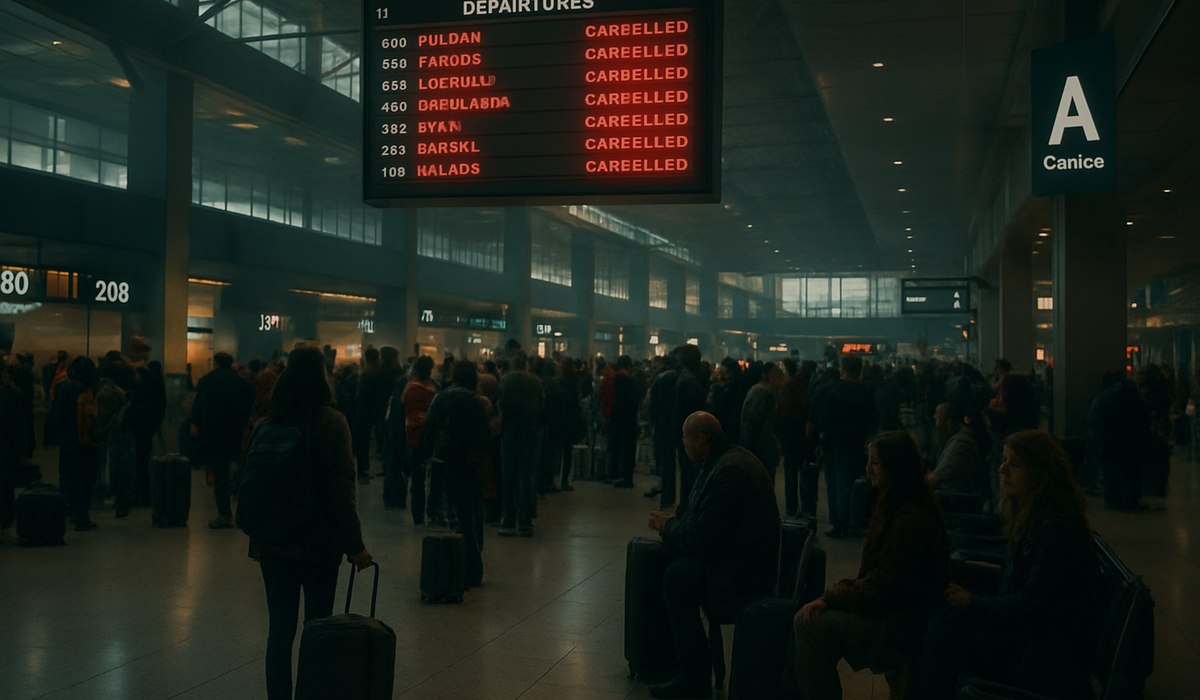
Image generated by AI
Saudia and Gulf Air Suspensions Create Major Disruption Across Saudi Aviation Network
Saudia and Gulf Air suspensions are leaving thousands of passengers stranded across Saudi Arabia as 36 flights face cancellation or indefinite delay. The disruptions stem from escalating regional tensions and airspace restrictions affecting Gulf capitals and neighboring destinations. Major hubs including Riyadh, Jeddah, Dammam and secondary airports like Sakakah are experiencing cascading travel chaos as both carriers withdraw service on critical regional routes. The situation continues evolving with rolling cancellations, last-minute rebookings and extended passenger backlogs at terminal rebooking desks throughout Saudi Arabia's aviation infrastructure.
Flight Suspensions Intensify Regional Air Travel Turmoil
The scope of current saudia gulf air suspensions extends far beyond routine schedule adjustments. Both carriers have implemented sweeping operational curtailments affecting their most important revenue routes. Saudia has suspended or heavily restricted services to Amman, Kuwait City, Abu Dhabi, Dubai, Doha and Bahrain—critical short-haul corridors that typically funnel thousands of daily passengers through Saudi Arabia's major airports.
Gulf Air's situation is equally severe. Operations from its Manama hub in Bahrain remain sharply reduced, with cascading effects rippling into Saudi Arabia's incoming traffic. The airline has suspended multiple services to and from Bahrain, eliminating important feeder flights that normally support onward connections through Riyadh and Jeddah.
Industry tracking data confirms the 36-flight suspension figure represents a snapshot of rapidly deteriorating conditions. These aren't isolated cancellations but systematic route suspensions affecting both point-to-point services and critical connecting flights. The suspended routes directly impact religious travel during peak Islamic calendar periods, labor migration networks serving migrant workers, and business travel corridors essential to Gulf economic activity. For more details on regional aviation challenges, see IATA's latest Gulf region operations update.
Key Routes Affected Across Gulf Capitals
The geographic scope of travellers stranded situations reflects the strategic importance of suspended routes. Riyadh's King Khalid International Airport normally processes massive volumes of connecting traffic from Gulf capitals. With Saudia suspending services to Dubai, Abu Dhabi and Doha, thousands of passengers destined for onward connections find themselves rerouted or cancelled entirely.
Jeddah's King Abdulaziz International Airport faces similar pressures. As Saudi Arabia's gateway for international travel and religious pilgrimages, any suspension of feeder flights from regional hubs creates immediate downstream effects. Passengers booked on connections through Jeddah to Europe, Asia and Africa face unpredictable delays and rebooking nightmares.
Dammam's King Fahd International Airport has paradoxically become both a bottleneck and a lifeline. Some routes serving Dammam face restrictions, yet the airport remains a crucial alternative gateway for passengers seeking to exit or enter the region. This has shifted unexpected demand onto domestic flights between Dammam, Riyadh and Jeddah, stretching already constrained capacity beyond normal operational limits.
Cascading Impact on Religious Travel and Labor Migration
The timing of flight cancellations creates particular hardship for travelers dependent on predictable air access. Saudi Arabia's role as host to the Islamic world's largest labor migration population means any aviation disruption affects hundreds of thousands of workers. Many migrant laborers depend on specific flight schedules to reach employment, visit families or complete visa-related travel requirements.
Religious travel represents another critical impact sector. Muslims worldwide book flights to Saudi Arabia for Umrah pilgrimages throughout the year, with peak seasons seeing hundreds of thousands of arrivals. Suspension of inbound regional flights from Gulf capitals forces pilgrims to seek alternative routing, often adding days to journeys and significantly increasing travel costs.
The irregular pattern of rolling cancellations compounds these challenges. Flights listed as scheduled may transition to delayed status multiple times before cancellation, creating what aviation analysts describe as "stop-start" operations. Passengers cannot reliably plan onward connections, hotel stays or ground transportation when departure times remain uncertain until minutes before scheduled departure.
Airlines Begin Cautious Recovery on Safe Corridors
Both carriers have initiated limited resumption of service on designated "safe corridors," though capacity remains substantially below normal operating levels. This partial recovery offers only sporadic relief to stranded travelers. Rebooking onto available flights through safe corridors involves extended waiting periods, with many passengers experiencing 24-48 hour delays between cancellation and rebooking confirmation.
The recovery pattern suggests a gradual rather than rapid restoration of full service. Airlines are consolidating flights onto fewer aircraft, reducing frequency while attempting to maintain essential connections. This approach protects operational efficiency but perpetuates passenger backlogs and crowded conditions at major hubs.
Smaller airports serving northern and eastern Saudi regions face extended recovery timelines. Sakakah and similar secondary hubs depend entirely on limited daily flights from major carriers to maintain connectivity. Aircraft reassignment to priority routes means reduced service to these airports, potentially stranding residents and workers dependent on domestic connections.
Data: Flight Disruption Impact Analysis
| Metric | Affected Routes | Impact Level | Status |
|---|---|---|---|
| Suspended Flights | 36 confirmed | Critical | Ongoing |
| Primary Hub Affected | Riyadh, Jeddah, Dammam | Severe | Active disruption |
| Regional Destinations | Dubai, Abu Dhabi, Doha, Amman, Kuwait | Extensive suspension | Multi-carrier |
| Bahrain Services | Gulf Air Manama hub operations | Sharply reduced | Limited recovery |
| Passenger Volume Impact | Thousands daily | Significant | Rolling cancellations |
| Secondary Airports | Sakakah, northern routes | Reduced capacity | Cascading effect |
| Recovery Timeline | Safe corridors resuming | Partial operations | Uncertain full restoration |
What This Means for Travelers
-
Verify all flight bookings immediately. Contact your airline directly rather than relying on booking confirmations. Status changes happen rapidly with rolling updates throughout each day.
-
Request rebooking alternatives now. If your flight involves Saudia or Gulf Air on regional Gulf routes, ask for rebooking options before cancellation becomes official. Waiting until notification may limit alternative routing.
-
Plan for extended travel times. Add 24-48 hour buffers to any itinerary involving connections through Saudi Arabia's major hubs. Expect longer layovers, potential overnight stays and possible ground transport delays.
-
Document all expenses for claims. Keep receipts for rebooking fees, meals, accommodation and ground transportation. Airlines may eventually issue compensation or refunds once service restoration stabilizes.
-
Monitor official airline communications. Follow Saudia and Gulf Air social media accounts, websites and customer service lines for real-time updates. Third-party tracking sites may contain outdated information during rapid operational changes.
-
Consider travel insurance implications. Review whether current policies cover suspension-related losses. Some coverage excludes disruptions from political tensions or airspace restrictions.
Frequently Asked Questions
Q: Are flights operating from Riyadh and Jeddah completely halted? A: No, but with severely reduced frequency. Most flights operate with reduced capacity, extended delays and frequent cancellations. Major international carriers continue operating, but regional flights experience systematic suspension.
Q: How long will saudia gulf air suspensions continue? A: Recovery timelines remain uncertain. Airlines report cautious resumption on designated safe corridors, but full service restoration depends on resolution of regional airspace restrictions and underlying tensions. No official end date has been announced.
Disclaimer
This article is for informational and educational purposes only. It does not constitute legal, financial, or professional advice. While we strive to provide accurate and up-to-date information, travel policies, regulations, and conditions change rapidly. Always verify information with official sources before making travel decisions. Nomad Lawyer makes no representations about the accuracy, reliability, completeness, or suitability of the information provided. Readers should consult qualified professionals for advice specific to their circumstances. The views expressed in this article are those of the author and do not necessarily reflect the views of Nomad Lawyer.
Kunal K Choudhary
Co-Founder & Contributor
A passionate traveller and tech enthusiast. Kunal contributes to the vision and growth of Nomad Lawyer, bringing fresh perspectives and driving the community forward.
Learn more about our team →