
Closed Reefs Cost Money: San Andrés Island's Conservation Revenue Model
San Andrés Island in Colombia launches a pioneering economic framework in 2026 that quantifies reef closure costs while generating sustainable tourism revenue. This innovative model could reshape how Caribbean destinations balance conservation and visitor access.

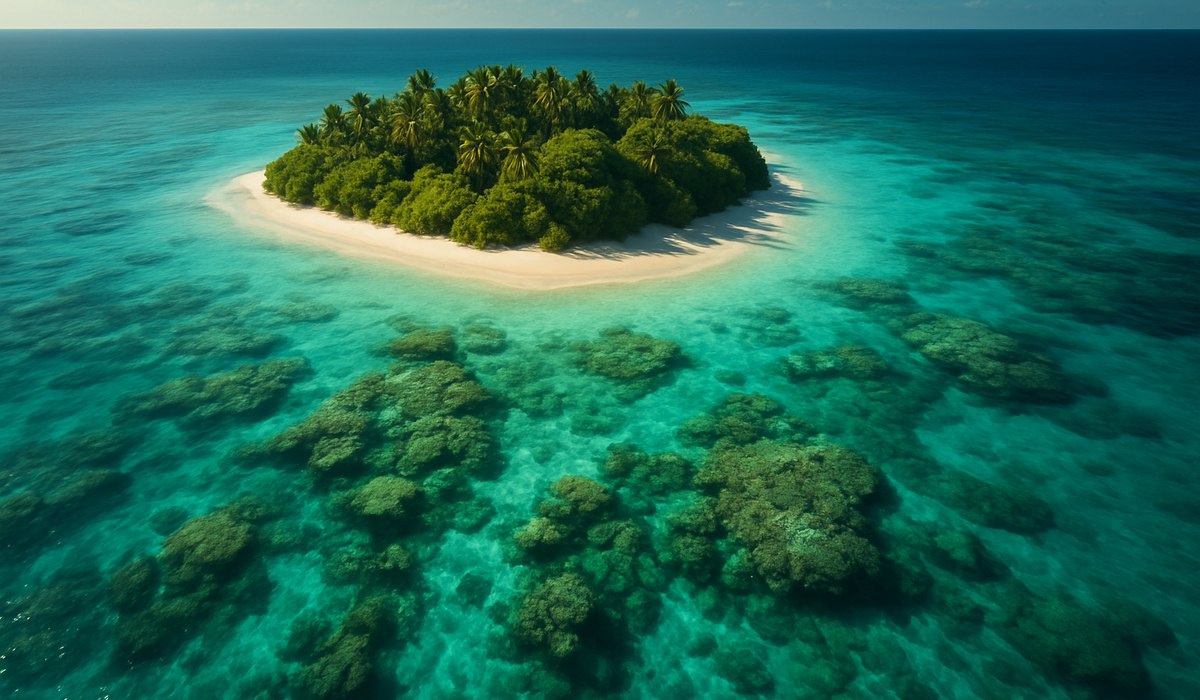
Image generated by AI
San Andrés Island Pioneers Economic Framework for Reef Protection
San Andrés Island, a Colombian coral destination in the Caribbean, has unveiled an innovative financial model that transforms how destinations manage the tension between tourism revenue and environmental preservation. The island's new approach quantifies the economic value of reef closures and reinvests conservation costs directly into marine protection programs. This groundbreaking system addresses a fundamental challenge: calculating what closed reefs actually cost destinations while creating sustainable funding mechanisms for long-term ecosystem health.
The initiative emerged from growing pressure to protect fragile coral ecosystems without sacrificing the tourism revenues communities depend on. Rather than viewing reef conservation as purely a cost burden, San Andrés Island's model reframes environmental protection as an investment generating measurable returns through preserved tourism assets and ecosystem services.
The Economics of Reef Protection
Traditional tourism accounting rarely captures environmental degradation costs. When reefs deteriorate, destinations lose diving tourism, fish stocks decline, and coastal protection diminishes—yet these losses rarely appear in economic analyses. San Andrés Island's framework addresses this gap by establishing clear financial metrics for reef closure impacts.
The model operates on a transparent principle: when reef areas close for restoration, tourism operators and local stakeholders contribute to a conservation fund proportional to projected revenue losses. This closed reefs cost mechanism ensures that those benefiting from tourism tourism infrastructure help fund the protection that sustains their industry.
Revenue generated through this system supports marine patrols, coral restoration programs, and community education initiatives. The approach creates economic incentives for conservation rather than relying solely on regulatory mandates. This collaborative funding model encourages stakeholders to view reef protection as economically advantageous rather than commercially restrictive.
San Andrés Island's Conservation Model in Practice
The Colombian island has implemented its reef conservation strategy across multiple marine zones. The system categorizes reef areas by vulnerability and visitor impact, assigning different protection levels and associated funding contributions. High-traffic diving sites contribute higher conservation fees, while pristine areas receive protective closures with dedicated restoration budgets.
Local communities benefit directly through employment in reef monitoring, marine research, and ecotourism development. The model prioritizes hiring island residents for conservation positions, ensuring economic benefits remain within the community. Tourism operators report that visitors increasingly value access to well-maintained, protected reef ecosystems, creating competitive advantages for sustainably-managed destinations.
Partnership with marine conservation organizations has strengthened the island's technical capacity. Scientists conduct regular reef health assessments, guiding decisions about closure periods and restoration timelines. This data-driven approach ensures conservation efforts target areas with greatest ecological impact and recovery potential.
Measuring Tourism's Environmental Impact
San Andrés Island's methodology establishes quantifiable metrics for environmental costs previously ignored in tourism accounting. The system tracks visitor density per reef zone, coral growth rates, fish population trends, and biodiversity indicators. These measurements create transparency about how tourism activities affect marine environments.
The framework calculates costs including coral damage from boat anchors, fin contact injuries, and pollution from visitor activities. By assigning financial values to these impacts, the model demonstrates that environmental protection directly supports long-term tourism sustainability. Operators who initially resisted conservation measures began recognizing that degraded reefs ultimately cost far more in lost business than preventive protection investments.
International conservation standards informed the methodology's development, ensuring comparability with reef protection efforts across the Caribbean and beyond. This alignment positions San Andrés Island as a potential benchmark for other destinations seeking balanced approaches to marine tourism management.
Scaling Solutions for Caribbean Destinations
Other Caribbean coral destinations have expressed interest in adopting San Andrés Island's model. The system's transferability stems from its fundamental logic: linking tourism economic benefits directly to ecosystem health creates self-reinforcing incentives for conservation. Destinations with limited government budgets for environmental protection can leverage tourism revenue more effectively through this framework.
Implementation challenges include establishing baseline environmental data, building stakeholder consensus, and creating transparent financial management systems. San Andrés Island's experience demonstrates that successful adoption requires sustained commitment from tourism operators, government agencies, and conservation organizations working collaboratively.
The model proves particularly valuable for small island economies where tourism represents primary income sources while coral reefs provide essential coastal protection and biodiversity habitat. As climate change intensifies pressure on marine ecosystems, frameworks that economically justify reef protection become increasingly critical for vulnerable communities.
Key Data: San Andrés Island Conservation Impact
| Metric | 2025 Baseline | 2026 Update | Impact |
|---|---|---|---|
| Protected Reef Zones | 8 active areas | 12 designated zones | 50% expansion in conservation coverage |
| Annual Conservation Fund Revenue | $340,000 USD | $580,000 USD | 71% increase in dedicated funding |
| Participating Tourism Operators | 22 businesses | 31 businesses | 41% growth in stakeholder participation |
| Reef Restoration Hectares | 2.3 hectares | 5.8 hectares | 152% growth in restoration area |
| Community Conservation Jobs | 14 positions | 23 positions | 64% growth in local employment |
| Visitor Satisfaction Scores | 7.8/10 | 8.6/10 | Improved experience through protected reefs |
What This Means for Travelers
Your Impact on Caribbean Coral Islands
-
Higher Conservation Fees: Expect modest increases in diving fees and reef access charges at destinations implementing similar models. These contributions directly fund marine protection you benefit from while visiting.
-
Enhanced Reef Quality: Destinations with active conservation programs typically offer superior diving and snorkeling experiences. Healthy reefs mean better visibility, more marine life encounters, and more memorable experiences.
-
Longer-Term Destination Viability: By supporting conservation-focused tourism models, travelers extend the viability of coral island destinations for future visits. Sustainable practices ensure Caribbean islands remain travel-worthy for decades.
-
Transparency in Tourism Spending: Seek out operators providing clear information about how conservation fees are allocated. This transparency demonstrates genuine commitment to environmental protection beyond marketing rhetoric.
-
Responsible Operator Selection: Choose tourism companies that participate in conservation frameworks. Your spending directly influences whether operators prioritize reef protection or cut costs through environmentally damaging practices.
Frequently Asked Questions
What exactly are "closed reefs" and why do they cost money?
Closed reefs are marine areas temporarily or permanently restricted from visitor access to allow coral recovery and ecosystem restoration. They cost money because tourism operators lose potential revenue during closures, community members lose employment opportunities, and conservation agencies must fund monitoring and restoration activities. San Andrés Island's model quantifies these losses and creates dedicated funding streams.
How do travelers pay into San Andrés Island's conservation fund?
Visitors contribute through reef access fees, dive permits, and snorkeling licenses collected by tour operators. Hotels and hospitality businesses also contribute percentage-based amounts tied to room occupancy. These contributions are transparent, with operators clearly communicating how funds support marine protection initiatives.
Can I still visit reefs on San Andrés Island despite closures?
Yes, most reef areas remain open to visitors, though access may rotate seasonally to allow recovery periods. The island maintains adequate visitor zones while protecting sensitive areas. Travelers planning visits should check current closure schedules with local tourism authorities to plan activities accordingly.
Could this model be adopted by my destination?
Yes, San Andrés Island's framework demonstrates transferability across Caribbean and other coral-dependent tourism regions. Implementation requires government support, tourism operator participation, and conservation organization expertise. Communities interested in similar models should consult marine conservation specialists familiar with local environmental conditions.
Related Travel Guides
Disclaimer
This article is for informational and educational purposes only. It does not constitute legal, financial, or professional advice. While we strive to provide accurate and up-to-date information, travel policies, regulations, and conditions change rapidly. Always verify information with official sources before making travel decisions. Nomad Lawyer makes no representations about the accuracy, reliability, completeness, or suitability of the information provided. Readers should consult qualified professionals for advice specific to their circumstances. The views expressed in this article are those of the author and do not necessarily reflect the views of Nomad Lawyer.
Kunal K Choudhary
Co-Founder & Contributor
A passionate traveller and tech enthusiast. Kunal contributes to the vision and growth of Nomad Lawyer, bringing fresh perspectives and driving the community forward.
Learn more about our team →