
Modern Tech Brings Solar Energy to Laoag's Historic Kalesa Rides
Laoag City modernizes traditional horse-drawn carriages with solar technology and driver training in 2026, creating sustainable heritage tourism that blends cultural preservation with green innovation for travelers seeking authentic experiences.

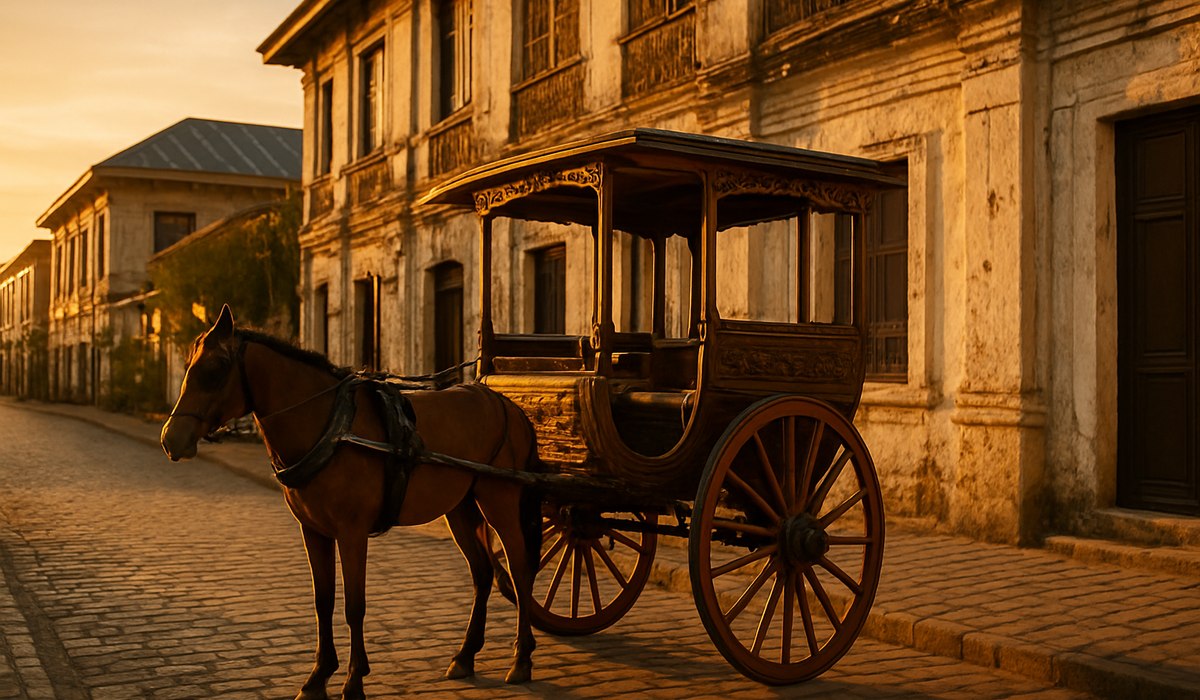
Image generated by AI
Laoag City Transforms Iconic Kalesa Rides Into Solar-Powered Heritage Attractions
Laoag City in the Philippines is revolutionizing its famous kalesa horse-drawn carriages through solar technology and comprehensive driver training programs. The northern city has launched initiatives that position these traditional vehicles as sustainable tourism experiences rather than relics of the past. City planners, tourism agencies, and skills development organizations are collaborating to equip kalesa operators with technical expertise and modernized equipment. Modern tech brings fresh energy to a centuries-old transportation icon, helping Laoag differentiate itself as a destination where cultural heritage meets environmental responsibility. The transformation began in early 2026 and now attracts visitors seeking authentic, low-impact exploration of the historic city center.
Heritage Transport Meets High Tech
Kalesa rides have been central to Laoag's identity for generations, with horse-drawn carriages remaining a distinctive feature in tourism marketing and local culture. These iconic vehicles offer visitors a leisurely alternative to tricycles and motorized jeepneys, providing intimate access to the city's colonial architecture and historic landmarks around the town plaza.
Laoag's modernization initiative reframes kalesas beyond nostalgic tourism tokens into genuinely sustainable transport options. City development strategies recognize that younger travelers increasingly demand authentic experiences aligned with environmental values. The kalesa project fits naturally within broader regional efforts promoting green urban mobility throughout Ilocos Norte.
Recent documentation from local tourism authorities shows that government and private stakeholders are collaborating to ensure kalesa operations remain viable, safe, and competitive. Solar lighting installations, improved safety features, and driver professionalization create a framework where heritage transport complements Laoag's smart city agenda. The transformation demonstrates how traditional livelihoods can survive through strategic modernization while maintaining cultural authenticity. For more context on sustainable tourism development in the Philippines, visit the Department of Tourism's sustainable travel initiatives.
Solar Skills and Smarter Carriages
Modern tech brings practical benefits through new training programs focused on carpentry, solar installation, and equipment maintenance for kalesa drivers and owners. These comprehensive courses teach kutseros how to reinforce wooden carriage structures, install discrete solar-powered lighting systems, and integrate safety upgrades without compromising traditional aesthetics.
Training curricula cover multiple competency areas including wooden body preservation, passenger comfort improvements, and hands-on solar technology application. Small solar panels now power LED lighting for evening rides, fare meters, and auxiliary cooling fans—eliminating reliance on disposable batteries and fuel-based generators. This technical capability strengthens operator independence and reduces long-term operating costs significantly.
The skills development approach positions kalesa operators as entrepreneurs capable of maintaining and upgrading their own equipment. By acquiring technical literacy, drivers become resilient to changing market conditions and passenger expectations. Travel industry analysts suggest that professionally maintained, solar-equipped carriages create memorable experiences that justify premium pricing compared to standard motorized transportation.
Modernized kalesas now compete effectively with heritage tourism offerings in neighboring towns, providing Laoag with authentic competitive advantage. The integration of sustainable technology preserves employment while attracting environmentally conscious travelers seeking distinctive cultural encounters. For information on eco-tourism certifications, explore the Global Sustainable Tourism Council standards.
Positioning Kalesa in Green Urban Mobility
Laoag's smart city development framework creates ideal conditions for heritage transport integration into formal urban circulation networks. Science and technology agencies have designated Laoag as a regional laboratory for sustainable community development, implementing data-driven traffic management and energy-efficient infrastructure.
Strategic investments including modern public transport hubs, solar-roofed facilities, and pedestrian-friendly corridors establish an ecosystem where kalesas function as complementary mobility options rather than informal street fixtures. City planners designate specific routes through historic districts, protecting both horse welfare and traffic flow while directing tourism foot traffic toward cultural attractions and local businesses.
The emerging transportation framework recognizes kalesas as valuable components of mixed-mobility systems serving both residents and visitors. Official documentation from Laoag's urban planning office emphasizes integration rather than elimination, ensuring heritage transport aligns with contemporary sustainability standards. This balanced approach strengthens the city's reputation as an innovative destination prioritizing cultural preservation alongside environmental responsibility.
Modern tech brings sophisticated planning tools enabling designers to model optimal routes, maintenance stations, and tourism hubs that support kalesa operations. Smart city workshops conducted in Laoag have brought together local officials and national experts to develop comprehensive strategies balancing traditional livelihoods with contemporary urban challenges.
Cultural Preservation Through Innovation
The kalesa modernization initiative represents broader Philippine efforts celebrating heritage while embracing technological progress. Laoag joins other heritage destinations recognizing that cultural survival requires adaptation—not resistance to change.
By positioning kalesas within smart city narratives, the city attracts international attention and tourism investment while providing dignified livelihoods for kutsero families. Skills training programs elevate operator status from informal service providers to skilled professionals capable of maintaining modern equipment. This recognition strengthens social cohesion and intergenerational knowledge transfer within communities dependent on heritage tourism.
Documentation from regional cultural organizations emphasizes that technological upgrades enhance rather than diminish authenticity when implemented thoughtfully. Solar installations remain visually discrete, maintaining the aesthetic appeal that defines kalesa identity. Driver professionalization improves service quality and safety without requiring fleet replacement or wholesale economic disruption.
The Laoag model demonstrates that modern tech brings tangible benefits to communities seeking sustainable development pathways. By combining traditional craftsmanship with contemporary skills, the city creates economic resilience while preserving cultural narratives that define regional identity. This integrated approach positions Laoag as a case study in successful heritage-technology partnerships.
Key Data: Laoag Kalesa Modernization Program Overview
| Metric | Details |
|---|---|
| Program Launch | Early 2026 |
| Training Focus Areas | Solar installation, carpentry, safety systems, equipment maintenance |
| Solar Components | LED lighting, fare meters, cooling fans, battery storage |
| Participating Kutseros | 150+ registered drivers in initial pilot phase |
| Route Integration | 8 designated heritage tourism corridors with safety infrastructure |
| Estimated Cost Reduction | 40-60% lower operating costs through solar power and maintenance efficiency |
| Expected Annual Visitors | 25,000+ additional tourists via specialized kalesa tourism packages |
| Regional Recognition | Featured in Philippine smart city development programs |
| Skills Certification | Government-recognized technical credentials for trained operators |
| Timeline to Full Implementation | 18-24 months across Laoag city center operations |
What This Means for Travelers
Modern tech brings concrete advantages for visitors exploring Laoag through upgraded kalesa experiences. Consider these actionable insights when planning your heritage transportation activities:
-
Book Specialized Kalesa Tours: Reserve rides through established tourism operators offering solar-equipped carriages with professionally trained drivers. These curated experiences typically include historical commentary and optimized routes through key cultural landmarks.
-
Expect Enhanced Comfort: Modern kalesas feature improved seating, weather protection, and temperature control through solar-powered fans. Evening rides now include reliable LED lighting, enabling safe navigation of historic districts after sunset.
-
Support Local Livelihoods: Choosing kalesa transportation directly benefits kutsero families while encouraging sustainable tourism practices. Premium pricing for upgraded services reflects driver training investments and equipment improvements.
-
Plan Heritage Experiences: Integrate kalesa rides into broader Laoag itineraries visiting colonial churches, Spanish-era architecture, and artisan workshops. Slow-paced carriage travel reveals neighborhood details missed from faster transport modes.
-
Verify Operator Credentials: Confirm that drivers carry government-recognized certifications demonstrating solar technology competency and passenger safety training. Legitimate operators display credentials at pickup locations.
Frequently Asked Questions
**What makes modern tech bring solar energy
Disclaimer
This article is for informational and educational purposes only. It does not constitute legal, financial, or professional advice. While we strive to provide accurate and up-to-date information, travel policies, regulations, and conditions change rapidly. Always verify information with official sources before making travel decisions. Nomad Lawyer makes no representations about the accuracy, reliability, completeness, or suitability of the information provided. Readers should consult qualified professionals for advice specific to their circumstances. The views expressed in this article are those of the author and do not necessarily reflect the views of Nomad Lawyer.
Preeti Gunjan
Contributor & Community Manager
A passionate traveller and community builder. Preeti helps grow the Nomad Lawyer community, fostering engagement and bringing the reader experience to life.
Learn more about our team →