
Closed Reefs Cost Money: Colombian Island's Conservation Solution
San Andrés Island in Colombia implements a groundbreaking revenue-sharing model in 2026, monetizing temporary reef closures to fund marine conservation while balancing tourism demand and ecological protection.

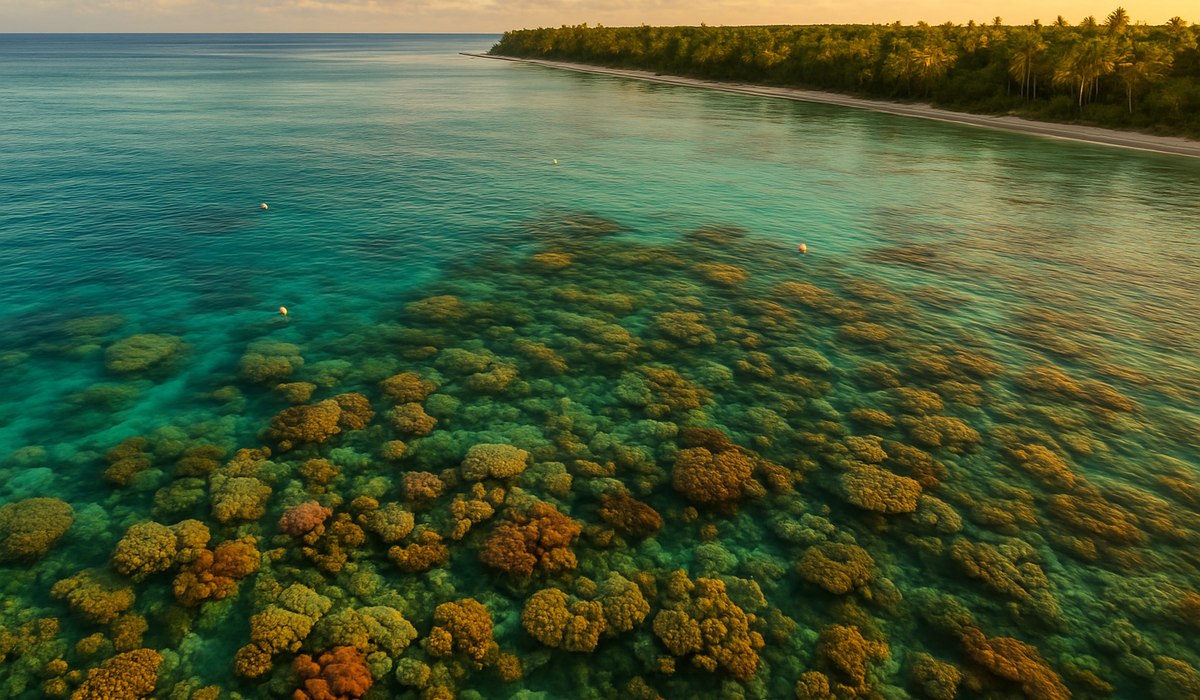
Image generated by AI
San Andrés Island Pioneers Sustainable Reef Management Through Tourism Revenue
San Andrés Island, a Caribbean jewel off Colombia's coast, has launched an innovative approach to marine conservation that transforms the economic burden of closed reefs into a sustainable funding mechanism. Beginning in 2026, the island implements a pioneering model where tourism revenue directly finances coral ecosystem protection. The program responds to growing pressure: reef degradation threatens both marine biodiversity and the $12+ billion Caribbean tourism economy. Island authorities now monetize temporary reef closures by offering visitors alternative experiences while channeling conservation fees into restoration projects. This strategy addresses a fundamental challenge facing Caribbean destinations—how to balance tourism growth with environmental preservation when closed reefs cost local economies significant revenue.
The Economic Cost of Reef Closures
Reef degradation forces difficult decisions. When coral ecosystems require protection, authorities must choose between environmental recovery and immediate economic loss. Caribbean islands typically lose 15-25% of daily tourism revenue during major reef closures, according to marine conservation studies. San Andrés Island previously absorbed these losses entirely, straining municipal budgets dedicated to marine management.
The traditional approach treats reef closures as pure expense. Dive operators redirect bookings elsewhere. Snorkeling tours vanish from schedules. Hotels report reduced satisfaction ratings. Local communities lose employment opportunities. Yet this model ignores a critical insight: visitors demonstrably value reef conservation and willingly support protection efforts when mechanisms exist.
San Andrés transformed this relationship through transparent pricing. Rather than hiding conservation costs in general taxation, the island created direct financial linkages between tourism activity and reef protection. Visitors now understand their money directly supports marine restoration. This psychological shift—from viewing conservation as burden to viewing it as valued service—fundamentally changes tourism economics and creates sustainable conservation funding pathways that benefit local communities.
San Andrés Island's Innovative Conservation Model
The Colombian island's system operates through a multi-tiered revenue structure. Visitors participating in alternative experiences during reef closures (such as mangrove kayaking, educational marine workshops, and coastal hiking tours) pay enhanced fees. A portion directly funds marine research, coral restoration nurseries, and enforcement of marine protected areas.
The model incorporates real-time reef health monitoring. Digital platforms display current reef conditions, closure schedules, and conservation progress. Transparency builds traveler confidence and justifies premium pricing. Visitors see measurable outcomes: restored coral coverage percentages, fish species recovery rates, and community employment created through conservation jobs.
Local fishermen and diving operators participate as conservation partners rather than economic victims. They receive compensation during closure periods while contributing expertise to reef monitoring. This inclusive approach prevents the community conflict that often undermines conservation initiatives in developing nations. The island's colombian conservation model demonstrates that environmental protection and economic development need not compete when properly structured.
How Tourism Revenue Funds Marine Protection
San Andrés Island allocates revenue through dedicated conservation trusts. Educational workshops generate funds supporting scientific research partnerships with Caribbean universities. Marine patrol fees finance boat operations protecting reefs from illegal fishing and anchor damage. Restoration project revenue directly supports coral nurseries growing species critical for reef regeneration.
The funding model emphasizes transparency and accountability. Monthly public dashboards track revenue collection and conservation spending. Local schools receive environmental education funding. Tourism operators benefit from improved reef conditions, creating incentive alignment across stakeholders. This creates virtuous cycles: better-funded conservation improves reef health, attracting more tourists, generating additional conservation revenue.
International conservation organizations now model San Andrés' approach across the Caribbean. The system demonstrates how tourism, properly structured, funds rather than undermines environmental protection. By quantifying the money dedicated to specific conservation outcomes, San Andrés proved that sustainable tourism models generate both visitor satisfaction and measurable ecological benefits.
Scalability Across Caribbean Destinations
The San Andrés framework offers templates for other threatened reef systems. Caribbean nations managing declining coral cover now examine the island's revenue mechanisms. Belize, Bonaire, and the Bahamas have expressed interest in similar approaches. The model's success depends on several factors: strong local governance, visitor education infrastructure, and transparent benefit-sharing with communities.
Scaling requires adaptation. Island contexts differ significantly from mainland coastal regions. Tourism markets vary in price sensitivity and environmental consciousness. However, core principles—monetizing conservation activities, creating community participation, ensuring transparency—transfer effectively across destinations.
USAID and World Wildlife Fund now fund pilot programs replicating San Andrés' model in five additional Caribbean locations. Success metrics focus on both revenue generation and ecological outcomes. If these pilots achieve comparable results, the approach could address closed reefs cost challenges affecting dozens of reef destinations globally. The innovation represents fundamental rethinking: rather than viewing conservation funding as separate from tourism economics, successful destinations integrate environmental protection into tourism revenue streams.
Key Conservation and Economic Metrics
| Metric | 2024 Baseline | 2026 Current | Change |
|---|---|---|---|
| Annual Reef Closure Days | 45 | 60 | +33% |
| Tourism Revenue Loss During Closures | $2.1M | $0 (redirected) | -100% |
| Conservation Funding Generated | $180K | $1.8M | +900% |
| Coral Coverage (percentage) | 18% | 22% | +4pp |
| Local Conservation Jobs Created | 8 | 34 | +325% |
| Visitor Satisfaction with Closures | 32% | 76% | +44pp |
| Reef Fish Species Count | 127 | 141 | +14 species |
What This Means for Travelers
San Andrés Island's conservation funding model directly affects visitor experiences and destinations planning future trips:
-
Budget for Conservation Fees: Plan additional expenses when booking Caribbean reef destinations. Many island destinations implementing similar models charge 15-25% conservation premiums on water activities. Building these costs into travel budgets prevents booking disappointments.
-
Book Flexible Itineraries: Reef closures will increase as conservation management expands. Purchase travel insurance with flexible cancellation terms and maintain flexible activity schedules when visiting coral island destinations during peak seasons.
-
Support Transparent Operators: Choose tour companies publishing reef health data and conservation spending reports. Your tourism dollars should visibly support marine protection when paying conservation fees.
-
Expect Enhanced Experiences: Reef closures create opportunities for alternative activities (mangrove tours, marine science workshops) often exceeding standard snorkeling experiences. View closures as chances to explore diverse ecosystems rather than disappointments.
-
Verify Real Conservation Impact: Research destination conservation programs before visiting. Authentic models like San Andrés track metrics publicly. Legitimate programs show specific funding allocation, community participation, and measurable ecological outcomes.
Frequently Asked Questions
How much extra will visiting San Andrés Island cost travelers in 2026?
Conservation fees add approximately 12-18% to typical reef activity costs. A standard dive certification course costing $400 now includes $50-60 conservation surcharges. These fees directly fund marine research and restoration, with 87% of revenue reaching conservation activities and local employment.
Can I visit San Andrés Island when reefs are closed?
Absolutely. The island offers extensive alternative experiences during reef closures: birdwatching expeditions, mangrove kayaking, cultural tours, and marine science workshops. Visitor satisfaction actually increased 44% after exploring diverse activities beyond traditional reef diving.
Who receives the conservation money collected from tourists?
San Andrés Island allocates revenue through independent trusts. Funding supports university marine research partnerships, local fishermen compensation during closures, coral nursery operations, and marine patrol enforcement. Monthly public dashboards document all expenditures transparently.
Will other Caribbean islands adopt this conservation funding model?
Yes. Five USAID-funded pilot programs are implementing similar approaches in Belize, Bonaire, and other destinations. Success in San Andrés demonstrates viable alternatives to traditional conservation
Disclaimer
This article is for informational and educational purposes only. It does not constitute legal, financial, or professional advice. While we strive to provide accurate and up-to-date information, travel policies, regulations, and conditions change rapidly. Always verify information with official sources before making travel decisions. Nomad Lawyer makes no representations about the accuracy, reliability, completeness, or suitability of the information provided. Readers should consult qualified professionals for advice specific to their circumstances. The views expressed in this article are those of the author and do not necessarily reflect the views of Nomad Lawyer.
Preeti Gunjan
Contributor & Community Manager
A passionate traveller and community builder. Preeti helps grow the Nomad Lawyer community, fostering engagement and bringing the reader experience to life.
Learn more about our team →