
Sabah Tourism Targets 60% Surge in US Visitors from New York and LA for Visit Malaysia Year 2026
The Sabah Tourism Board is aggressively targeting a 60% increase in high-yield US travelers from major hubs like New York and Los Angeles to boost annual arrivals beyond 15,000.
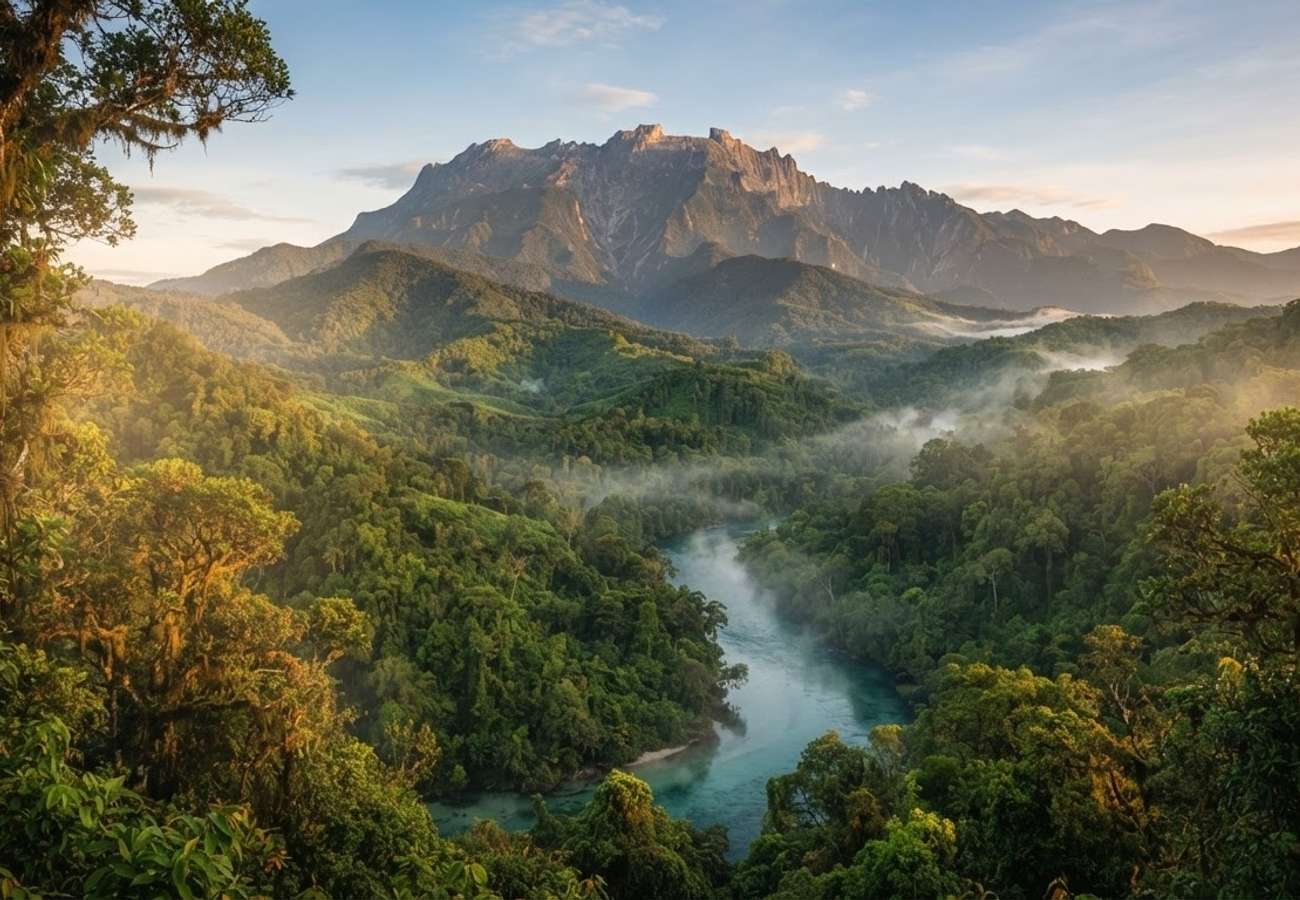
Image generated by AI
US passport holders currently account for 75% to 80% of all North American arrivals in Malaysia. To capitalize on this, regional authorities are now pursuing a staggering 60% growth target to elevate the current baseline of 15,000 annual US visitors.
The strategic push to attract travelers from the United States marks a pivot in how the state of Sabah, located in Malaysian Borneo, positions itself on the global stage. While the region has long been a sanctuary for biological researchers and hardcore conservationists, the Sabah Tourism Board and the Ministry of Tourism, Arts and Culture (MOTAC) are transitioning the narrative toward high-value adventure travel.
This shift is not about volume, but value. By focusing on affluent demographics in specific US metropolitan hubs, Sabah is attempting to increase its economic yield without compromising its fragile ecological integrity.
The Strategic Focus on High-Yield Hubs
Data from the Department of Statistics Malaysia indicates a clear geographical trend: the majority of high-spending US visitors originate from Los Angeles, Seattle, and New York. These cities serve as the primary engines for Sabah's growth strategy due to a combination of aviation connectivity and cultural alignment.
On the West Coast, Los Angeles and Seattle act as the primary gateways. These populations show a strong predisposition toward outdoor recreation and oceanic exploration, making the marine ecosystems of Borneo a natural draw. Conversely, the demand from New York represents a trend of "urban escapism," where East Coast professionals seek total immersion in rainforest retreats to counter the intensity of metropolitan life.
The economic impact of these specific travelers is significant. While 15,000 annual arrivals may seem modest compared to mass-market destinations, these visitors typically exhibit longer lengths of stay and higher daily expenditures, opting for premium experiences such as private guided summits of Mount Kinabalu and luxury diving excursions.
Balancing Growth with Ecological Preservation
The mandate to increase US arrivals by 60%—aiming for a target of 24,000 visitors—comes with a strict caveat: the rejection of unsustainable mass tourism. The state Ministry of Tourism, Culture and Environment has officially decreed a "high-value, low-impact" model.
For the visitor, this means a more curated experience. The focus is on conscientious travel that supports regional heritage and conservation. By partnering with US-based travel consortia and educating trade professionals in LA and NYC, Sabah is ensuring that the influx of tourists aligns with the state's stringent environmental policies.
This approach supports the local economy by directing funds toward sustainable lodges and community-led conservation projects rather than oversized resort developments.
Visitor Insider Tips for Sabah
To experience Sabah beyond the standard tourist circuit, visitors should consider the following local insights:
- Off-Peak Window: To avoid the crowds at Mount Kinabalu and the Sipadan diving sites, visit during the shoulder seasons (typically March to May). You will find fewer crowds and more attentive service from local guides.
- Cultural Etiquette: When visiting indigenous villages in the interior, always ask for permission before taking photographs of residents. A small gift of local sweets or useful household items is often appreciated but not required.
- Dining Specialty: Move beyond the hotel menus and try Hinava—a traditional Kadazan-Dusun dish of raw fish marinated in lime juice, ginger, and chilies. It is a refreshing staple of the region's culinary identity.
- Under-the-Radar Spot: While everyone flocks to the Kinabatangan River, explore the Danum Valley Conservation Area for a more raw, untouched rainforest experience with significantly lower foot traffic.
Tourism Outlook for 2026
The trajectory for Sabah is inextricably linked to the Visit Malaysia Year 2026 campaign. Government economists suggest that the North American market possesses the highest elasticity for rapid growth, provided that aviation barriers continue to be dismantled.
The long-term goal is to establish a sustainable pipeline of visitors who contribute to the preservation of the Bornean rainforests. If the 60% growth target is met, it will signal a successful transition from a niche research destination to a premier global hub for luxury eco-adventure.
Borneo is no longer just for the intrepid; it is becoming the ultimate sanctuary for the conscious luxury traveler.
Related Travel Guides
Disclaimer
This article is for informational and educational purposes only. It does not constitute legal, financial, or professional advice. While we strive to provide accurate and up-to-date information, travel policies, regulations, and conditions change rapidly. Always verify information with official sources before making travel decisions. Nomad Lawyer makes no representations about the accuracy, reliability, completeness, or suitability of the information provided. Readers should consult qualified professionals for advice specific to their circumstances. The views expressed in this article are those of the author and do not necessarily reflect the views of Nomad Lawyer.