
Upper Peninsula: Indian Lake State Park Offers Serene Water Travel
Indian Lake State Park in Michigan's Upper Peninsula offers a quiet alternative to the Great Lakes, featuring 567 acres of lakeside recreation.

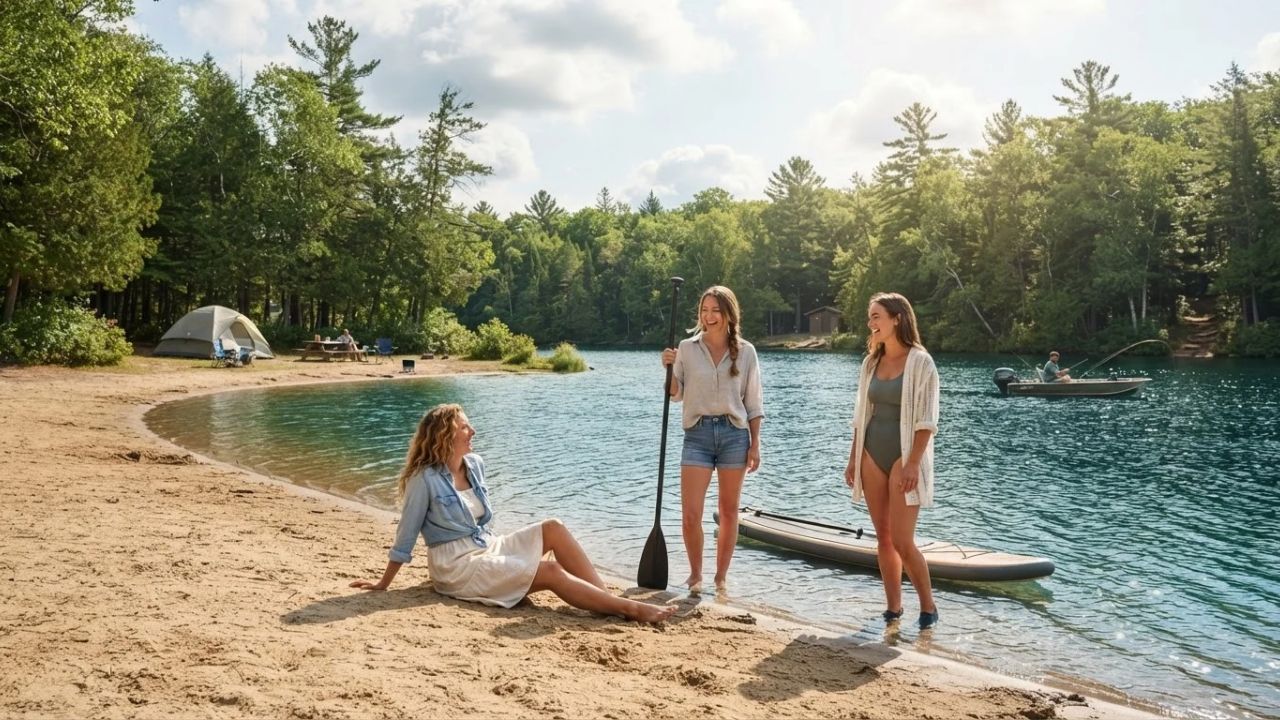
Image generated by AI
Indian Lake State Park in Michigan's Upper Peninsula offers a quiet alternative to the Great Lakes, featuring 567 acres of lakeside recreation. Located near Manistique, the park combines pine forests, inland beaches, and boating networks.
The Trend Toward Quiet Inland Lake Destinations
A major trend in North American outdoor travel is the shift toward lesser-known inland state parks over crowded Great Lakes coastal resorts. Historically, summer travelers gathered exclusively at public beaches along Lake Michigan or Lake Huron, leading to vehicle congestion, full campgrounds, and packed picnic areas. In 2026, travelers seek quiet alternatives, opting for inland lakes that provide swimming, paddling, and campsite facilities in relaxed settings.
By choosing inland state parks, visitors avoid tourist traffic while supporting local businesses in gateway communities. This dispersed travel model helps protect delicate dune systems and coastal areas along the Great Lakes by shifting recreational pressure to resilient inland forests.
Inland Water Recreation and Lake Coordinates
The park's layout is centered around the recreation opportunities of Indian Lake:
- Sandy Beach: Features a dedicated swimming beach measuring approximately 75 yards in length, serving as the main lakeside relaxation area.
- Shallow Waters: Large sections of the lake measure less than 15 feet deep, making it accessible for paddlers and young swimmers.
- Boat Launch Facilities: Includes a paved ramp in the day-use area and a hand launch on the western shore for smaller canoes and kayaks.
- Park Acreage: Covers approximately 567 acres of state-protected woodland, marshland, and sandy shoreline.
These assets make the park suitable for multi-day boating, swimming, and kayaking trips.
Diverse Camping and Cabin Accommodations
The park provides structured camping options across two distinct campgrounds:
- Southern Campground (Modern): Contains 145 sites, including accessible pitches, waterfront views, electrical hookups, and waste disposal.
- Western Campground (Semi-Modern): Offers a simpler camping experience with 72 sites and limited facilities, attracting traditional campers.
- Rental Cabins: Two one-bedroom cabins accommodate up to four people, equipped with electricity, a mini fridge, a microwave, a heater, a fan, a loft bed, a lower full-size bed, and a cot.
- Visitor Note: Linens are not provided at the cabins; guests must bring their own sleeping gear.
These campgrounds serve as bases for travelers exploring the surrounding Upper Peninsula.
Michigan Indian Lake State Park Coordinates
The table below breaks down the park highlights, trail lengths, campsite options, cabin amenities, and driving times from regional hubs:
| Park Highlight | Regional Dimensions | Specific Recreational Feature | Camping & Cabin Capacities | Gateway Cities & Driving Times | Primary Managing Body |
|---|---|---|---|---|---|
| Indian Lake State Park | 567 acres near Manistique | 75-yard sandy swimming beach | 145 modern & 72 rustic sites | Escanaba (1 hour) & Marquette (1.5 hours) | Michigan DNR |
| Dufour Creek Trail | 1.4-mile forest loop | Cedar & hemlock woodland walk | Two one-bedroom cabins (loft & cot) | Sault Ste. Marie (2 hours away) | Manistique tourism board |
These coordinates outline the dimensions, features, capacities, times, and managing bodies established for the state park.
Resource Stewardship and Eco-Focus
For the traveler, the benefit of choosing inland state parks is the opportunity to practice low-impact recreation, such as kayaking and paddleboarding, which protects water quality from motor emissions. Utilizing designated firewood bins prevents the spread of invasive forest pests that threaten Upper Peninsula cedar and hemlock trees.
Additionally, purchasing camping provisions in Manistique supports local merchants, keeping tourism capital within regional counties. Following "Carry-In, Carry-Out" rules at picnic shelters protects park wildlife and keeps beach areas clean.
For comparison, you can explore the changing dynamics of Stimulus Launch: Taiwan Unveils Billion-Dollar Repeat Visitor Rewards to see how destinations promote visitor spend. For transit updates, comparing travel scheduling matches other networks, such as Digital Expansion: Guyana Launches 2026 Ecotourism Data Project updates. This trend is similar to the tourism growth seen in other destinations, as detailed in our guide on how Utica, New York Emerges as an Affordable Northeast Tourism Hub.
Visitor Insider Tips: Navigating Indian Lake State Park
If you are planning an outdoor trip to the Upper Peninsula, keep these practical tips in mind:
- Confirm Your Navigation Destination: Double-check that your GPS is set for Manistique, Michigan, to avoid navigating to the Ohio state park of the same name.
- Verify Michigan Fishing Rules: Check licensing rules and seasonal restrictions before fishing for perch, walleye, or northern pike.
- Book Campsites Months Ahead: The 145 modern southern sites sell out quickly during summer holiday weekends; secure bookings early.
- Walk the Dufour Creek Trail: Hike the 1.4-mile loop in the early morning to spot local forest birds among the hemlocks.
- Bring Linens for Cabin Stays: Remember to pack your own sheets, blankets, and pillows when renting the one-bedroom cabins.
Long-Term Outlook for Upper Peninsula Tourism
The long-term outlook for transit in the Upper Peninsula is focused on upgrading electric vehicle (EV) charging stations at state parks, improving trail access for mobilty-impaired visitors, and restoring historic park facilities. As interest in sustainable, nature-based travel grows, the Michigan Department of Natural Resources will rely on modern management to balance visitor numbers with forest conservation.
By protecting local wetlands and supporting community tourism, the park sector aims to build a sustainable travel network.
FAQ
Where is Indian Lake State Park located?
The park is located in Michigan’s Upper Peninsula, near the community of Manistique.
How big is Indian Lake State Park?
The park covers approximately 567 acres of forest, marshland, and sandy shoreline.
What accommodations are available inside the park?
The park offers 145 modern campsites, 72 semi-modern campsites, and two one-bedroom rental cabins.
What fish species can be caught in Indian Lake?
Common species include perch, northern pike, brown trout, bluegill, walleye, sturgeon, muskellunge, and bass.
Stay updated on the regional park guidelines and camping updates shaping Michigan tourism.
Related Travel Guides
Disclaimer
This article is for informational and educational purposes only. It does not constitute legal, financial, or professional advice. While we strive to provide accurate and up-to-date information, travel policies, regulations, and conditions change rapidly. Always verify information with official sources before making travel decisions. Nomad Lawyer makes no representations about the accuracy, reliability, completeness, or suitability of the information provided. Readers should consult qualified professionals for advice specific to their circumstances. The views expressed in this article are those of the author and do not necessarily reflect the views of Nomad Lawyer.
Raushan Kumar
Founder & Lead Developer
Full-stack developer with 11+ years of experience and a passionate traveller. Raushan built Nomad Lawyer from the ground up with a vision to create the best travel and law experience on the web.
Learn more about our team →