
Reddit Uber Ordeal Renews 2026 Rider Safety Concerns
A viral Reddit post describing an Uber rider stranded after a wrong drop-off and sudden account lockout has reignited safety debates among travelers in 2026, exposing critical gaps in ride-hailing emergency protocols.

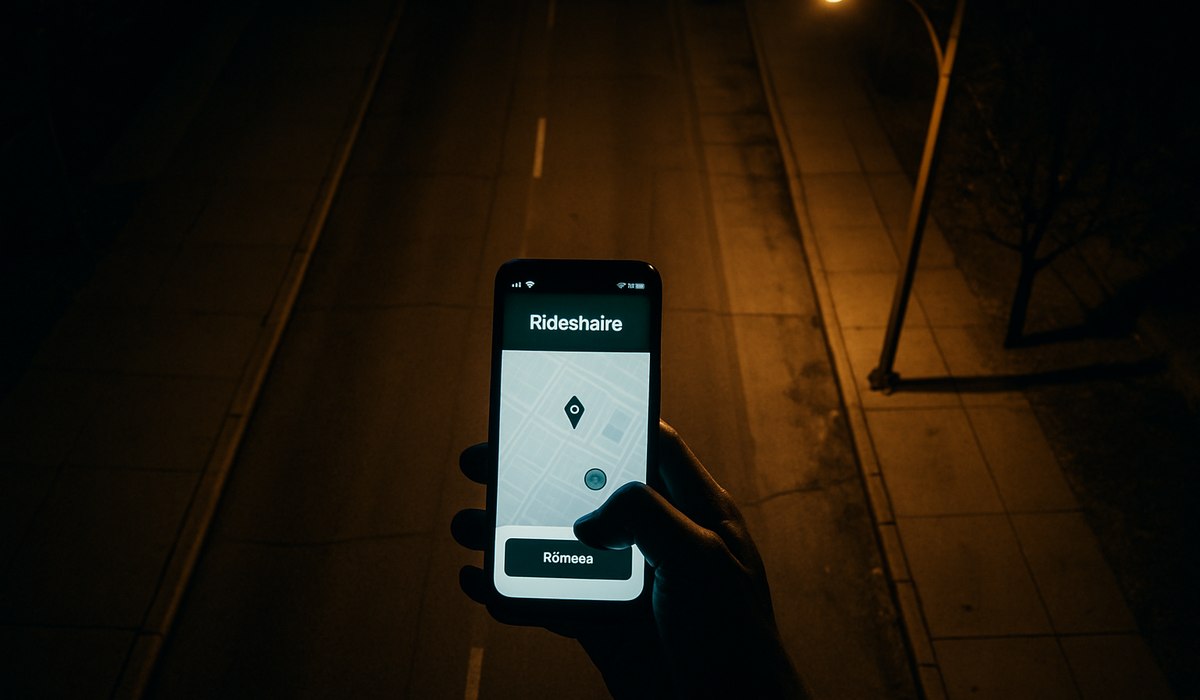
Image generated by AI
Viral Late-Night Ride Story Captures Global Attention
A Reddit post describing an Uber rider stranded near midnight after a wrong drop-off combined with account lockout has ignited renewed concern over app-based transportation safety protocols worldwide. The incident—shared across multiple subreddit communities this week—documents a routine evening commute that deteriorated when the driver allegedly halted at an unfamiliar address and departed before the passenger could verify their destination.
The rider reportedly discovered they had been deposited short of their intended location, left standing alone on an unfamiliar street approaching midnight. Other Reddit users amplified the story through screenshots and cross-posted discussions, transforming the episode into a cautionary tale about relying solely on ride-hailing applications during late-night travel. Community members emphasized the original safety rationale: the passenger had selected the app specifically to avoid walking unaccompanied in darkness—yet ended up in a more vulnerable position.
Within hours, thousands of Reddit users engaged with the thread, sharing parallel experiences involving confusing routes, abrupt trip terminations, and insufficient support mechanisms. The rapid viral spread underscores deep-seated anxiety many modern travelers harbor regarding how digital platforms manage critical safety failures. This incident emerged within an ongoing context of ride-hailing complaints spanning from discourteous behavior to alleged harassment, providing the story with an established audience primed by longstanding concerns.
Account Lockout Raises Questions Over Safety Tools
The most alarming detail reported was not merely the wrong drop-off location, but the rider's subsequent claim that their Uber account faced immediate lockout following the trip completion. The post describes futile attempts to reopen the application to request another vehicle or contact support, encountering only security restrictions and access denial messages.
Industry observers and safety advocates argue this represents a critical design failure. Even when fraud prevention or security protocols trigger account suspension, essential safety functions—including emergency contact capabilities and the ability to request immediate transportation from an unsafe location—should remain accessible. The combination of late hour, unexpected location, and sudden loss of both transportation access and customer support created a compounding crisis.
Uber's official safety resources highlight available protections: GPS journey tracking, in-app emergency buttons, trusted contact notifications, and driver background verification protocols. However, the Reddit account suggests that automated security systems occasionally override these safety mechanisms, temporarily suspending all platform access. This collision between fraud prevention and traveler protection has prompted fresh discussions about creating dedicated "stranded rider" protocols that bypass standard account restrictions long enough for passengers to secure safe departure from uncomfortable situations, especially during nighttime hours or in unfamiliar territories.
Broader Pattern of Ride-Hailing Safety Failures
The viral story resonates because it reflects a documented pattern of frustrations riders and drivers have publicly articulated throughout 2026. Reddit threads and community forums describe passengers reporting safety concerns during active trips, only to encounter what they characterize as delayed or heavily automated support responses. Many claim difficulty reaching human support agents after reporting dangerous driving behavior or drivers abandoning them far from intended destinations.
Some accounts describe inconsistent enforcement policies—certain drivers facing deactivation despite strong ratings, while other serious complaints generate minimal observable action. Simultaneously, ongoing litigation in multiple jurisdictions continues scrutinizing ride-hailing safety standards. A widely covered Texas lawsuit involved a mother alleging that Uber failed to provide effective real-time trip termination and safe-exit capabilities while traveling with children, raising questions about passenger interface design during emergencies.
These overlapping narratives suggest the core tension for platforms extends beyond incident prevention to encompassing response speed and clarity when riders report problems. For travelers navigating unfamiliar cities, perceived gaps in support accessibility and escalation procedures generate anxiety comparable to initial incidents themselves. The cumulative effect has transformed individual stories into a systematic credibility challenge for the industry.
What Travelers Should Know About App-Based Ride Safety
Understanding app-based transportation safety requires familiarity with both available protections and documented limitations. Before booking any ride, travelers should verify their smartphone's location services function properly and review the destination address carefully. Most platforms display driver information, vehicle details, and real-time GPS tracking—use all available visibility tools.
During your trip, maintain communication with trusted contacts. Share your journey details through the app's contact-sharing feature, and keep your phone accessible. If something feels unsafe—unusual route changes, uncomfortable driver behavior, or environmental concerns—use the emergency button immediately rather than waiting. Document any incidents through the app's reporting system and follow up in writing.
After your trip concludes, review the ride details and rate honestly. If you experienced problems, contact support immediately while details remain fresh. Save screenshots of the booking confirmation, route map, driver information, and support communications. For serious safety incidents, file formal complaints with local authorities and your state's transportation regulatory body. Consider keeping alternative transportation contacts (local taxi numbers, trusted car services) saved in your phone.
| Safety Feature | Availability | Traveler Consideration |
|---|---|---|
| GPS Real-Time Tracking | During active trip only | Share with emergency contacts before boarding |
| In-App Emergency Button | Varies by region and account status | Test location before travel to confirm functionality |
| Driver Background Checks | Pre-employment only | Does not monitor post-hire driver conduct |
| Account Lockout Protocols | May restrict full app access | Could prevent emergency ride requests during crisis |
| Human Support Access | 24/7 but delayed response typical | Can take hours to reach actual agent |
| Trip Cancellation Option | Available but may incur charges | Exercise before trip begins if uncomfortable |
| Trusted Contact Notifications | Feature available in most regions | Requires manual setup before travel |
| Incident Documentation | Available through app | Limited to platform records; may require police report for full record |
What This Means for Travelers
-
Verify all trip details before boarding. Confirm destination address, driver name, vehicle description, and license plate with the driver verbally before entering the vehicle. Don't assume the app's routing is correct.
-
Maintain independent communication channels. Text or call a trusted contact with your driver's name, vehicle information, and intended destination. Don't rely solely on the app's contact-sharing feature.
-
Familiarize yourself with emergency features. Test your app's emergency button, in-app support contact process, and account security settings before traveling to unfamiliar locations.
-
Document everything meticulously. Photograph driver license plate, take screenshots of the booking confirmation, driver profile, and route map. Save these immediately to cloud storage.
-
Establish backup transportation options. Research traditional taxi services, car rental companies, or hotel concierge contacts in advance for your destination.
-
Monitor account access regularly. Check for unexpected lockouts or access restrictions before you need to request emergency transportation. Contact support proactively if you notice anomalies.
-
Report problems immediately and officially. File incident reports through the app, contact customer support, and file police reports for serious safety concerns. Avoid relying on informal resolution attempts.
FAQ
What should I do if my ride-hailing account becomes locked during an active trip? Contact support immediately through the app or phone, explaining the emergency. If account access fails completely, call emergency services if you're in an unsafe situation. Request that the platform restore account access sufficient to request another safe transportation method or provide an alternative ride home.
Are ride-hailing platforms required to keep emergency features active if my account is flagged? Requirements vary by jurisdiction. Most regulations expect platforms to maintain critical safety access even during account restrictions, but enforcement remains inconsistent. Verify your local transportation authority's specific requirements before traveling.
What constitutes a legitimate reason to report a ride-hailing safety incident? Document any incident involving unsafe driving, route deviations inconsistent with GPS mapping, driver behavior making you uncomfortable, unsafe vehicle conditions, or being stranded at wrong locations. Include timestamps, driver identifiers, and specific details in your report.
**Can I recover costs if I experience a safety incident during
Preeti Gunjan
Contributor & Community Manager
A passionate traveller and community builder. Preeti helps grow the Nomad Lawyer community, fostering engagement and bringing the reader experience to life.
Learn more about our team →