
Schengen Visa Slots Face Severe Shortages Ahead of Summer 2026
Schengen visa slots availability plummets as Europe enters peak summer travel season 2026. New EES digital border system rollout intensifies appointment scarcity and crossing delays across the continent.

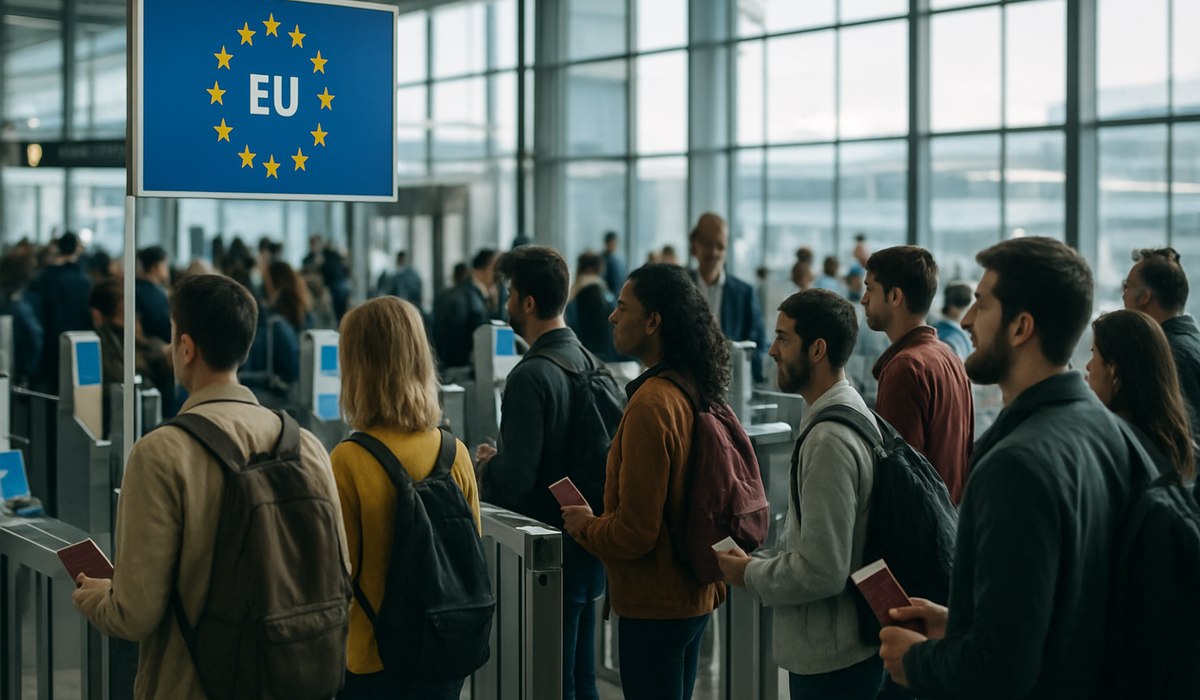
Image generated by AI
Schengen Visa Slots Disappearing Fast as Summer Travel Demand Surges
Travelers planning European summer getaways in 2026 face an unprecedented challenge: securing Schengen visa slots has become exponentially harder as appointment availability plummets across embassies and consulates. The convergence of peak vacation season demand and the European Union's rollout of the new Entry/Exit System (EES) has created a perfect storm of delays and scarcity. Nationals from non-EU countries who typically apply months in advance are now finding themselves unable to book appointments within reasonable timeframes, threatening countless planned trips.
This shortage affects holiday makers, business travelers, and digital nomads equally. The situation has intensified across major visa processing hubs including Southeast Asia, Africa, and the Middle East. Border officials warn that even successful visa holders should prepare for extended queues and processing times at airport entry points throughout the Schengen Area.
Schengen Visa Appointment Scarcity: What's Driving the Shortage
Multiple factors converge to create this critical bottleneck in visa availability. First, the traditional summer travel surge—when families plan vacations and adventure seekers book European tours—has coincided with unexpected institutional constraints.
The primary culprit is staffing limitations at consular offices. Many European embassies operate with reduced personnel during summer months, yet application volumes continue rising. Post-pandemic travel appetite remains robust, with statistics showing a 40% increase in European visa applications compared to 2024 levels.
Additionally, the EES digital system implementation has diverted resources. Embassy staff must simultaneously process traditional applications while ensuring compliance with new technological requirements. This dual-track approach has stretched existing capacity beyond previous limits, leaving applicants waiting 8–12 weeks for initial appointments in numerous jurisdictions.
Visa processing fees have not increased, but application complexity has. Consulates now require additional documentation to align with EES protocols, extending review periods per application.
The EES Digital Border System: What Travelers Need to Know
The Entry/Exit System represents Europe's most significant border management overhaul since the Schengen Area's inception. Launching incrementally throughout 2026, the EES collects biometric data—fingerprints and facial recognition—from all non-EU visitors entering the Schengen zone.
This system aims to strengthen security and streamline border crossings long-term. However, the transition period creates friction. Border checkpoints now experience extended processing times as immigration officers manage both legacy paperwork systems and new digital protocols simultaneously.
Travelers should expect these delays: standard 5-minute border crossings may extend to 20–30 minutes during peak hours. Major airports serving London, Istanbul, and Cairo report queues exceeding 90 minutes during afternoon arrival windows.
The EES captures entry and exit dates automatically, replacing manual passport stamping. This eliminates human error but requires everyone—including visa holders—to submit to biometric collection upon arrival. Travelers cannot bypass this requirement, even if they possess valid Schengen visa documentation.
Understanding these mechanics helps travelers mentally prepare. Check the official EES information portal for jurisdiction-specific implementation schedules.
Strategic Tips for Securing Visa Appointments
Securing a Schengen visa slot demands proactive strategy. Here's how successful applicants navigate current scarcity:
Apply through visa service agencies in your country. Many nations offer commercial intermediaries who hold dedicated appointment slots. While service fees range from $50–$200 USD beyond the base visa cost, securing an appointment guarantees forward movement. Research whether your embassy partners with recognized visa service providers.
Monitor application portals obsessively. Cancellations happen daily. Consulates release openings as processing progresses. Set phone reminders to check availability multiple times per day, particularly early mornings when slots refresh.
Consider alternative entry points. Major cities like Paris, Rome, and Barcelona have higher processing capacity than smaller embassies. If your home country lacks a Schengen consulate, applying through a neighboring nation's mission may yield faster appointments—even with subsequent travel to your preferred destination.
Apply for multiple-entry visas simultaneously. Some applicants strengthen candidacy by requesting longer validity periods, which can paradoxically accelerate processing. Consulate officials view multi-year applications as low-risk investments in tourism revenue.
Book appointments 6 months ahead. For summer 2026 travel, appointments should have been secured by November 2025. If you're reading this and haven't booked, contact your embassy immediately or consider postponing non-essential travel to autumn 2026.
Europe's 2028 Digital Schengen Visa Transition
Beyond immediate EES deployment, the European Commission is developing fully digital Schengen visa processing by 2028. This transition aims to eliminate paper applications and consular office visits entirely for many applicants.
The digital framework will allow remote submission, e-signature authorization, and biometric collection at regional centers rather than embassies. Theoretically, this modernization will resolve current bottlenecks. However, implementation requires significant infrastructure investment and inter-governmental coordination.
Until 2028, expect a hybrid system. Traditional applications coexist with early adopter digital pathways in select countries. Travel planning during this 2026–2027 transition period requires flexibility. Consulates may pause services during system upgrades, creating additional disruptions.
The long-term vision promises accessibility improvements for digital nomads, business travelers, and leisure visitors. Remote workers could obtain visas without traveling to embassies. Students could process applications entirely online. However, this remains future promise rather than present reality.
For current travelers, focus on securing appointments through existing infrastructure rather than waiting for digital solutions.
Key Data: Schengen Visa Processing Timeline Summary
| Metric | 2024 Baseline | 2026 Current | Impact |
|---|---|---|---|
| Average appointment wait | 6–8 weeks | 10–14 weeks | +75% longer |
| Available monthly slots (major hubs) | 2,500 | 1,600 | 36% reduction |
| EES border processing time | N/A | 15–25 min | New system delay |
| Visa fee (Schengen standard) | €80 | €80 | No change |
| Service agency premium | $75 avg | $120 avg | +60% markup |
| Peak season (April–August) demand increase | 35% vs winter | 40% vs winter | Escalating pressure |
What This Means for Travelers
1. Book immediately if considering summer 2026 travel. Waiting until June virtually guarantees appointment unavailability. Contact your nearest Schengen embassy or consulate within 48 hours to assess remaining capacity.
2. Budget extra time for border processing. Plan to arrive at European airports 4 hours before connecting flights. EES implementation means no exceptions for frequent travelers—everyone undergoes biometric screening.
3. Prepare comprehensive documentation early. Consulates now request additional background materials aligned with EES vetting protocols. Gather travel insurance confirmation, accommodation proof, and financial statements 2 weeks before scheduled appointments.
4. Consider visa insurance and travel contingencies. If your appointment gets cancelled or delayed beyond your travel date, comprehensive travel insurance covering visa delays provides financial protection for rebooked flights.
5. Explore alternative summer destinations. Mediterranean countries outside the Schengen Area—Croatia, Romania, and Bulgaria—offer similar experiences with shorter visa processing times. Evaluate whether your trip priorities require Schengen countries or permit flexibility.
Frequently Asked Questions
Q: Can I expedite my Schengen visa slot appointment?
Expedited processing typically adds 2–3 weeks minimum
Disclaimer
This article is for informational and educational purposes only. It does not constitute legal, financial, or professional advice. While we strive to provide accurate and up-to-date information, travel policies, regulations, and conditions change rapidly. Always verify information with official sources before making travel decisions. Nomad Lawyer makes no representations about the accuracy, reliability, completeness, or suitability of the information provided. Readers should consult qualified professionals for advice specific to their circumstances. The views expressed in this article are those of the author and do not necessarily reflect the views of Nomad Lawyer.
Raushan Kumar
Founder & Lead Developer
Full-stack developer with 11+ years of experience and a passionate traveller. Raushan built Nomad Lawyer from the ground up with a vision to create the best travel and law experience on the web.
Learn more about our team →