
Qatar and GCC Markets Accelerate UAE Hospitality Expansion: Hotel Partnerships, Cross-Border Travel, and Luxury Stays Drive 2026 Growth

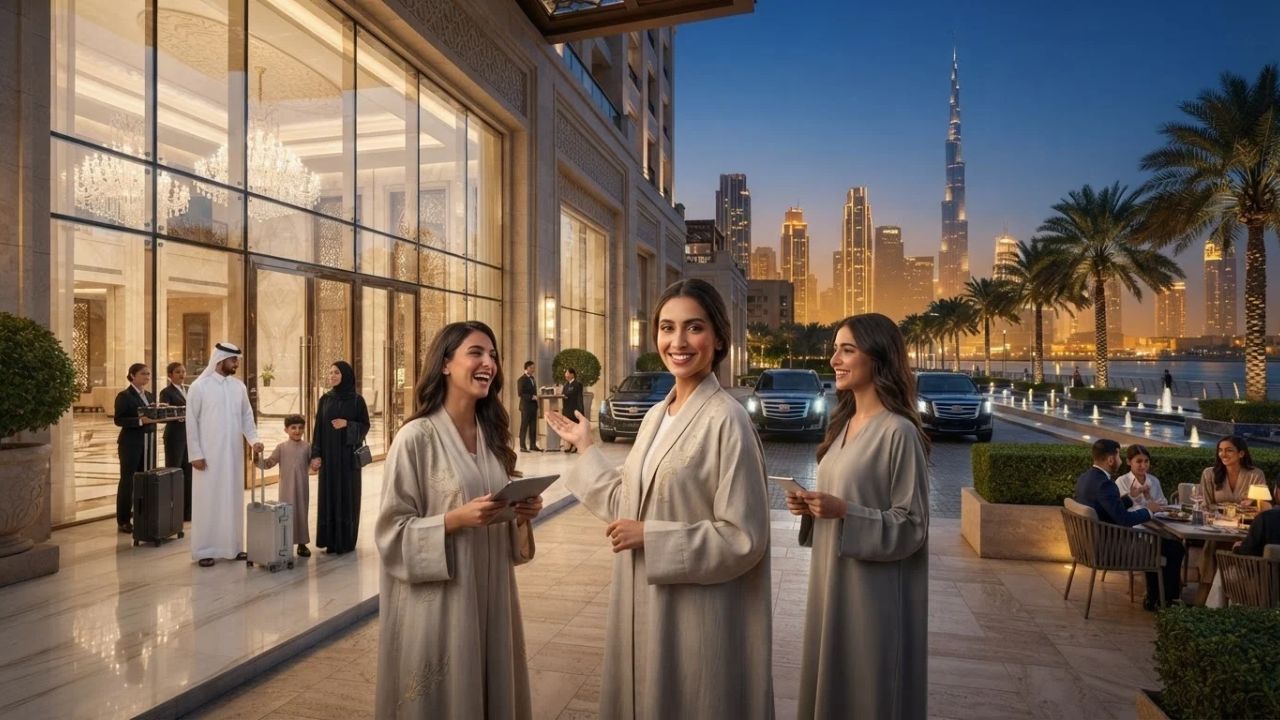
Surging demand from Qatar, Saudi Arabia, Oman, Kuwait, and Bahrain is propelling a major expansion across the United Arab Emirates' hospitality sector in 2026, as high-frequency air shuttles, cross-border road corridors, and unified Gulf travel initiatives establish regional tourism as the primary stabilizer for luxury resorts and urban hotels. With Qatar-based travelers driving unprecedented growth in premium weekend getaways, conference stays, and family leisure breaks, the UAE hospitality industry is realigning its inventory around tailored guest experiences and multi-destination Gulf itineraries.
Announced in mid-September 2026, the deepening network of bilateral tourism agreements, shared promotional campaigns, and joint hospitality ventures among Gulf Cooperation Council (GCC) member states highlights an ongoing strategic realignment in Middle Eastern leisure travel. While Dubai and Abu Dhabi maintain powerful international visibility, welcoming millions of intercontinental visitors from Europe, North America, and South Asia, intra-regional Gulf travelers constitute the bedrock of hotel occupancy, high-yield food and beverage patronage, and luxury retail revenue throughout the calendar year.
Rather than relying purely on long-haul tourist seasons that soften during warmer months, UAE hospitality operators are collaborating directly with Gulf counterparts. By developing combined vacation packages, cross-border cultural routes, and joint airline promotions, the UAE is transforming from a standalone stopover destination into the vibrant hub of an integrated Gulf travel ecosystem.
The Local Trend Revealed: Intra-GCC Mobility and Qatar's Rapid Ascent
The most striking development across the UAE hospitality sector in 2026 is the surge in visitor flows originating from Qatar. Strengthened by frequent 45-minute commercial flights connecting Doha’s Hamad International Airport (DOH) with Dubai International (DXB), Dubai World Central (DWC), and Zayed International Airport (AUH) in Abu Dhabi, travel between the two nations has evolved into a routine, high-frequency shuttle.
Qatar-based travelers have become particularly attractive guests for premium UAE hoteliers due to their elevated average daily expenditure and preference for high-end accommodations. For Qatari families and executives, the short flight distance transforms Dubai and Abu Dhabi into effortless choices for weekend escapes, shopping festivals, art fairs, and international sporting events such as the Abu Dhabi Formula 1 Grand Prix.
| GCC Source Market | Primary Travel Motivators | Core Value Delivered to UAE Hospitality |
|---|---|---|
| Qatar | Luxury shopping, executive conferences, weekend breaks, fine dining | High average daily spend on suites, branded residences, and private villas |
| Saudi Arabia | Multi-generational family vacations, school breaks, major cultural festivals | Massive volume demand for full-service family resorts and entertainment hubs |
| Oman | Cross-border road trips, mountain eco-tourism, urban retail visits | Year-round overland arrivals supporting regional emirates and luxury hotels |
| Kuwait | Extended leisure holidays, high-end gastronomy, performing arts, wellness | Extended stays in five-star hotels and luxury coastal resorts |
| Bahrain | Short leisure breaks, business conventions, weekend culinary circuits | Reliable short-stay occupancy bolstering city-center business properties |
For UAE resorts, Qatar's growing contribution provides stability during shoulder travel periods. While corporate travelers fill city business hotels during major conventions like Arabian Travel Market and GITEX Global, leisure guests drive high weekend occupancy across beachfront properties on the Palm Jumeirah, Dubai Creek Harbour, and Saadiyat Island.
Saudi Arabia, Oman, Kuwait, and Bahrain: The Interlocking Regional Network
While Qatar accelerates its presence, Saudi Arabia remains the traditional heavyweight supporting UAE hospitality. The Kingdom’s large population, expanding middle class, and strong culture of domestic and regional vacationing generate consistent demand. Saudi families routinely travel to the UAE for extended stays during school breaks, national holidays, and Eid festivals.
Even as Saudi Arabia rapidly develops its own world-class tourism infrastructure under Vision 2030—unveiling major projects along the Red Sea and in Diriyah—the demand for UAE hospitality continues to grow. Rather than detracting from travel, regional tourism investments have stimulated a larger overall market for Gulf travel. Many Saudi travelers continue to choose Dubai and Abu Dhabi for their established family entertainment complexes, diverse international culinary offerings, and smooth transport links.
Overland connectivity creates unique opportunities with Oman. Sharing extended land borders and modern customs infrastructure, Oman and the UAE enjoy strong cross-border road tourism. Omani families and international road-trippers frequently embark on combined itineraries, driving between Muscat, the mountain heritage of Nizwa, and the urban centers of the Emirates. These travelers provide steady patronage for mountain eco-resorts in Hatta and Jebel Jais in Ras Al Khaimah, as well as luxury urban hotels in Dubai and Sharjah.
Kuwait represents an exceptionally high-value segment, with visitors showing a distinct preference for spacious multi-bedroom suites, private beach cabanas, and world-class retail experiences. Bahraini travelers, benefiting from short flight times and seamless regional logistics, provide consistent weekend demand that helps urban hotels balance occupancy throughout mid-week and seasonal cycles.
Hotel Industry Adaptation: Personalization, Digital Tech, and Gulf Integration
To capitalize on this intra-regional surge, luxury hospitality brands across the UAE—including homegrown names like Jumeirah, Kerzner International, Rotana, and Emaar Hospitality, alongside international operators—are refining their service models.
Key industry adaptations reshaping guest experiences include:
- Bespoke Multi-Generational Accommodations: Hotels are expanding multi-bedroom suites, interconnected family villas, and private residential floors designed to accommodate extended Gulf families traveling with children and support staff.
- Dedicated Concierge and Privacy Services: Properties are introducing private check-in lounges (majlis settings), dedicated female-only wellness spa hours, and customized halal gastronomy crafted by regional master chefs.
- Frictionless Digital Check-In Platforms: Leading properties utilize mobile smartphone applications that permit guests to select their specific room, complete biometric passport verifications, and access keyless room entry before arriving at the lobby.
- Preparations for Unified GCC Visas: Hoteliers are structuring multi-destination packages in anticipation of the unified GCC tourist visa framework (often referred to as the "GCC Grand Tours" permit). This policy allows international and regional visitors to travel seamlessly across all six member states on a single authorization, mirroring Europe’s Schengen model.
Cultural & Environmental Value: Preserving Bedouin Heritage and Marine Sanctuaries
Beyond contemporary shopping malls and gleaming architectural towers, the growth of intra-GCC tourism deepens shared cultural connections. The nations of the Arabian Gulf share profound historical roots shaped by maritime trade, pearl diving, falconry, and Bedouin desert traditions.
When regional visitors explore cultural landmarks such as the Al Fahidi Historical Neighbourhood in Dubai, Qasr Al Hosn in Abu Dhabi, or the Heart of Sharjah, tourism reinforces intangible cultural heritage. Visitors encounter traditional coral-stone architecture, ancient wind towers (barjeel), and live demonstrations of Al Sadu (traditional Bedouin geometric weaving), recognized by UNESCO on the Representative List of the Intangible Cultural Heritage of Humanity.
For the traveler, the real impact is discovering how regional travel fosters sustainable stewardship in fragile desert and coastal biospheres. Across the UAE, modern tourism revenues directly fund regional conservation initiatives:
- Mangrove Conservation: In Abu Dhabi, the Jubail Mangrove Park and coastal sanctuaries protect delicate marine ecosystems that act as vital carbon sinks and breeding grounds for flamingos, sea turtles, and regional fish species.
- Desert Wildlife Sanctuaries: In the Dubai Desert Conservation Reserve (DDCR) and the Al Marmoom Desert Conservation Reserve, low-impact eco-tourism supports free-roaming herds of the Arabian oryx and sand gazelles, preserving native flora under strict environmental monitoring.
- Mountain Eco-Tourism: In the northern emirates of Ras Al Khaimah and Fujairah, mountain initiatives channel tourism expenditure into remote villages, supporting local beekeepers, organic date palm groves, and traditional mountain hiking trails.
Visitor Insider Tips: Navigating the UAE with Regional Expertise
To experience the best of the UAE's hospitality, natural beauty, and regional connections, keep these practical, field-tested recommendations in mind:
- Plan Around Optimal Weather Windows: The ideal time for outdoor exploration and coastal leisure is between November and April, when daytime temperatures hover between 22°C and 28°C (72°F to 82°F). However, if you are seeking luxury resort value, consider the shoulder months of May and October. During these periods, five-star beachside resorts on Palm Jumeirah and Saadiyat Island offer suite promotions with savings up to 40% to 50% compared to peak winter tariffs.
- Cross-Border Driving Logistics (Oman-UAE): If embarking on an overland road trip from Oman, utilize modern border checkpoints such as Hatta or Mezyad (Al Ain). Ensure your vehicle possesses regional cross-border insurance (the Orange Card) and valid vehicle registration (Mulkiya). Ensure rental cars have explicit written authorization from the rental company for cross-border transit.
- Utilize Public Metro Transit and Smart Toll Systems: When traveling within Dubai, bypass highway traffic bottlenecks by utilizing the driverless Dubai Metro Red Line, which directly connects Dubai International Airport (DXB) with Downtown Dubai, the Dubai Mall, and Dubai Marina. If renting a private vehicle, confirm that the car is equipped with a registered Salik toll tag for Dubai and an active DARB account for Abu Dhabi highway tolls.
- Cultural Dress and Public Etiquette: While the UAE is cosmopolitan and welcoming to diverse cultures, observe respectful modesty in public spaces. In shopping malls, family restaurants, and civic buildings, ensure clothing covers shoulders and falls to knee length. When visiting sacred monuments like the Sheikh Zayed Grand Mosque in Abu Dhabi, adhere strictly to conservative dress codes (loose-fitting ankle-length garments and headscarves for women).
- Savor Authentic Emirati Culinary Traditions: Step beyond international hotel dining to experience genuine Emirati gastronomy. Sample Machboos (fragrant spiced rice slow-cooked with tender lamb, chicken, or local seafood infused with dried lime and saffron), Al Harees (a savory porridge of cracked wheat and shredded meat slow-simmered in clay pots), and warm Luqaimat (crisp golden dough dumplings drizzled with rich date syrup and toasted sesame seeds). Pair your meal with traditional Gahwa (Arabic coffee scented with cardamom and saffron), poured from a brass Dallah and served with sweet local dates.
- Visit Cultural Centers for Authentic Exchange: Book a traditional meal or cultural breakfast at the Sheikh Mohammed bin Rashid Al Maktoum Centre for Cultural Understanding (SMCCU) in historic Al Fahidi. These community-led sessions invite travelers to ask candid questions about regional customs, family life, and Bedouin philosophy in an open, welcoming setting.
Tourism Outlook: The UAE as the Epicenter of the Connected Gulf
The acceleration of hospitality demand from Qatar, Saudi Arabia, Oman, Kuwait, and Bahrain establishes a sustainable growth model for the United Arab Emirates. Rather than viewing regional destinations as competitors, the GCC is cultivating a symbiotic travel network where each country’s investments amplify overall regional mobility.
Looking ahead toward 2030, infrastructure developments will further accelerate this integration. Expansions at Dubai World Central (Al Maktoum International Airport) and the continued modernization of Zayed International Airport in Abu Dhabi will enhance air capacity. Concurrently, the advancing stages of the regional passenger rail network under Etihad Rail will soon provide high-speed passenger rail links between primary commercial and cultural hubs across the Emirates and neighboring Gulf countries.
By harmonizing world-class luxury accommodations with authentic Arabian hospitality and collaborative regional diplomacy, the UAE's hospitality industry is demonstrating that the strongest foundations for global tourism begin right in its regional neighborhood.
Related Travel Guides
- South Korea Overtakes Japan in Chinese Holiday Demand: Seoul Welcomes 777,000 Visitors as July 2026 Reshapes East Asian Travel
- Sri Lanka Crosses 1.5 Million Tourist Arrivals as Free ETA Visa Reforms for 40 Nations Reshape Asian Travel in 2026
- Australia Tourism Encounters Headwinds as Asian Markets Shift: High Airfares and Living Costs Trigger 4.3% Visitor Drop in 2026
Disclaimer
This article is for informational and educational purposes only. It does not constitute legal, financial, or professional advice. While we strive to provide accurate and up-to-date information, travel policies, regulations, and conditions change rapidly. Always verify information with official sources before making travel decisions. Nomad Lawyer makes no representations about the accuracy, reliability, completeness, or suitability of the information provided. Readers should consult qualified professionals for advice specific to their circumstances. The views expressed in this article are those of the author and do not necessarily reflect the views of Nomad Lawyer.
Raushan Kumar
Founder & Lead Developer
Full-stack developer with 11+ years of experience and a passionate traveller. Raushan built Nomad Lawyer from the ground up with a vision to create the best travel and law experience on the web.
Learn more about our team →